• About
  • Masthead
  • License Content
  • Advertise
  • Submit Press Release
  • RSS/Email List
  • 2MM Podcast
  • Write for us
  • Contact Us
2 Minute Medicine
No Result
View All Result

No products in the cart.

SUBSCRIBE
  • Specialties
    • All Specialties, All Recent Reports
    • Cardiology
    • Chronic Disease
    • Dermatology
    • Emergency
    • Endocrinology
    • Gastroenterology
    • Imaging and Intervention
    • Infectious Disease
    • Nephrology
    • Neurology
    • Obstetrics
    • Oncology
    • Ophthalmology
    • Pediatrics
    • Pharma
    • Preclinical
    • Psychiatry
    • Public Health
    • Pulmonology
    • Rheumatology
    • Surgery
  • Tools
    • EvidencePulse™
    • RVU Search
    • NPI Registry Lookup
  • Pharma
  • AI News
  • The Scan+
  • Classics™+
    • 2MM+ Online Access
    • Paperback and Ebook
  • Rewinds
  • Partners
    • License Content
    • Submit Press Release
    • Advertise with Us
  • Account
    • Subscribe
    • Sign-in
    • My account
2 Minute Medicine
  • Specialties
    • All Specialties, All Recent Reports
    • Cardiology
    • Chronic Disease
    • Dermatology
    • Emergency
    • Endocrinology
    • Gastroenterology
    • Imaging and Intervention
    • Infectious Disease
    • Nephrology
    • Neurology
    • Obstetrics
    • Oncology
    • Ophthalmology
    • Pediatrics
    • Pharma
    • Preclinical
    • Psychiatry
    • Public Health
    • Pulmonology
    • Rheumatology
    • Surgery
  • Tools
    • EvidencePulse™
    • RVU Search
    • NPI Registry Lookup
  • Pharma
  • AI News
  • The Scan+
  • Classics™+
    • 2MM+ Online Access
    • Paperback and Ebook
  • Rewinds
  • Partners
    • License Content
    • Submit Press Release
    • Advertise with Us
  • Account
    • Subscribe
    • Sign-in
    • My account
SUBSCRIBE
2 Minute Medicine
Subscribe
Home All Specialties Chronic Disease

Characterizing idiopathic CD4 lymphocytopenia 30-years after its initial description
byGrace YinandKiera Liblik
June 5, 2023
in Chronic Disease, Hematology
Reading Time: 2 mins read
0
Share on FacebookShare on Twitter

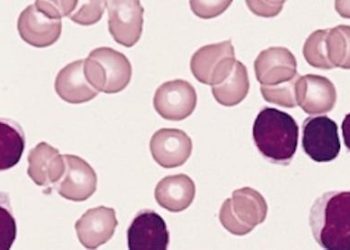
1. In this observational study, idiopathic CD4 lymphocytopenia (ICL) was associated with an increased risk of opportunistic infections, malignancy, and poor response to coronavirus disease 2019 (COVID-19) vaccination.

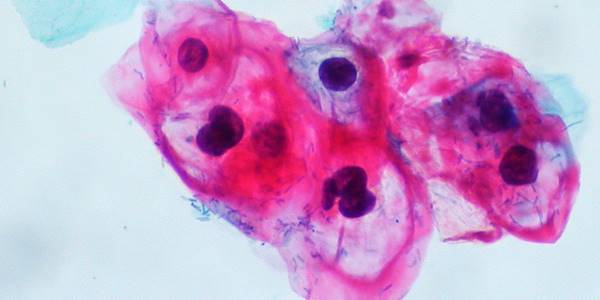
2. The most common opportunistic infections were related to human papillomavirus, cryptococcosis, molluscum contagiosum, and nontuberculosis mycobacterial disease.

Evidence Rating Level: 2 (Good)

Study Rundown: CD4 T-cell deficiency of unknown cause, known as ICL, is a rare and elusive condition for which the pathophysiology is not well understood. For patients with ICL, the risk of opportunistic infections is significantly increased in comparison to the general population. This study used an observational cohort design to evaluate the clinical, immunologic, and risk factors of patients with ICL to better understand its prognosis and characteristics. The study included a total of 91 adults with ICL. Analysis of the medical records and found that patients with low CD4 counts were at significantly higher risk for both infections but also malignancies. Further, they had poor evidence of serologic response upon receiving the COVID-19 vaccination. The major limitation of this study was the small sample size, which may impact he generalizability of the results. This study presents the aforementioned increased risk of patients with ICL and highlights the need for ongoing discovery of its pathogenesis for the purpose of developing improved therapeutic strategies to minimize its associated morbidity and mortality.

Click here to read the study in NEJM

In-Depth [retrospective cohort study]: This was a retrospective observational study evaluating the disease presentation, genetics and immunologic profile, and prognosticating factors of adult patients with ICL. Patients aged 18 or above were included if they had CD4+ T-cell lymphopenia defined as a count of less than 300 per mm3, or less than 20% total T-cells. Patients were excluded if they had genetic or acquired causes. The primary outcomes of interest were describing the genetic profile, identifying predictors of clinical events such as infection, immunologic studies, response to COVID-19 vaccination, and mortality. After applying the inclusion and exclusion criteria, 91 patients were included in the final analysis. Results of the analysis found that reduced CD4 count as defined by less than 100 cells per mm3 was associated with an increased risk of opportunistic infection (odds ratio [OR], 5.3; 95% Confidence Interval [CI], 2.8-10.7), as well as malignancy (OR 0.5; 95% CI 0.2-0.9). The most common infections were skin or human papillomavirus related (29%). The most common malignancy was squamous-cell carcinoma. Out of 22 included patients who were immunized against COVID-19, 36% (n=8) had no detectable antibodies in their serum. Malignancies were observed in 13 patients (14%). In summary, this study outlined the clinical and genetic characteristics of patients with ICL, identifying that this population continues to be at increased risk for opportunistic infections. It also highlights the ongoing need to uncover its pathogenesis, supporting future longitudinal research with large sample sizes to better elicit the clinical and population characteristics of ICL.

RELATED REPORTS

2 Minute Medicine: Pharma Roundup – Pfizer’s Talzenna delays prostate cancer progression, apixaban lowers VTE bleeding risk, Lilly’s retatrutide hits Phase III metabolic targets, and FDA warns Novo Nordisk over safety reporting violations [March 2026]

The quadrivalent human papillomavirus vaccine provides effective and durable protection against invasive cervical cancer

FDA grants priority review for iberdomide-based myeloma regimen

Image: PD

©2023 2 Minute Medicine, Inc. All rights reserved. No works may be reproduced without expressed written consent from 2 Minute Medicine, Inc. Inquire about licensing here. No article should be construed as medical advice and is not intended as such by the authors or by 2 Minute Medicine, Inc.

Tags: CD4 lymphocytopeniachronic diseasecryptococcosishematologyhuman papillomavirusidiopathic CD4 lymphocytopeniainternal medicinelymphocytopeniaMolluscum Contagiosumnontuberculosis mycobacterial disease
Previous Post

Screen time may be associated with worsened mental health in adolescents

Next Post

Auditory-somatosensory stimulation may be effective to treat tinnitus

RelatedReports

2 Minute Medicine: Pharma Roundup: Price Hikes, Breakthrough Approvals, Legal Showdowns, Biotech Expansion, and Europe’s Pricing Debate [May 12nd, 2025]
Endocrinology

2 Minute Medicine: Pharma Roundup – Pfizer’s Talzenna delays prostate cancer progression, apixaban lowers VTE bleeding risk, Lilly’s retatrutide hits Phase III metabolic targets, and FDA warns Novo Nordisk over safety reporting violations [March 2026]

March 30, 2026
Quick Take: T-Cell Receptor Gene Therapy for Human Papillomavirus–Associated Epithelial Cancers: A First-in-Human, Phase I/II Study
Chronic Disease

The quadrivalent human papillomavirus vaccine provides effective and durable protection against invasive cervical cancer

March 6, 2026
Variation noted across pre- and post-marketing studies for FDA approved devices
Hematology

FDA grants priority review for iberdomide-based myeloma regimen

March 6, 2026
Reduced venous recanalization after acute deep vein thrombosis associated with post-thrombotic syndrome
Chronic Disease

Effect of high elevation on deep vein thrombosis: a multicenter cohort study

January 22, 2026
Next Post
American Academy of Pediatrics recommends standards for adverse event disclosures

Auditory-somatosensory stimulation may be effective to treat tinnitus

Quick Take: Prevalence and Treatment of Depression, Anxiety, and Conduct Problems in US Children

Conversational agent interventions may be helpful in mental health care

#VisualAbstract: Early versus later anticoagulation for stroke with atrial fibrillation

#VisualAbstract: Early versus later anticoagulation for stroke with atrial fibrillation

2 Minute Medicine® is an award winning, physician-run, expert medical media company. Our content is curated, written and edited by practicing health professionals who have clinical and scientific expertise in their field of reporting. Our editorial management team is comprised of highly-trained MD physicians. Join numerous brands, companies, and hospitals who trust our licensed content.

Recent Reports

  • Pfizer’s Talzenna combo significantly delays prostate cancer progression
  • Bottom-vented bottles may not reduce gastrointestinal discomfort in infants
  • Ketorolac administration after cesarean delivery may reduce postoperative opioid use
License Content
Terms of Use | Disclaimer
Cookie Policy
Privacy Statement (EU)
Disclaimer

© 2025 2 Minute Medicine, Inc. - Physician-written medical news.

  • Specialties
    • All Specialties, All Recent Reports
    • Cardiology
    • Chronic Disease
    • Dermatology
    • Emergency
    • Endocrinology
    • Gastroenterology
    • Imaging and Intervention
    • Infectious Disease
    • Nephrology
    • Neurology
    • Obstetrics
    • Oncology
    • Ophthalmology
    • Pediatrics
    • Pharma
    • Preclinical
    • Psychiatry
    • Public Health
    • Pulmonology
    • Rheumatology
    • Surgery
  • Tools
    • EvidencePulse™
    • RVU Search
    • NPI Registry Lookup
  • Pharma
  • AI News
  • The Scan
  • Classics™
    • 2MM+ Online Access
    • Paperback and Ebook
  • Rewinds
  • Partners
    • License Content
    • Submit Press Release
    • Advertise with Us
  • Account
    • Subscribe
    • Sign-in
    • My account
No Result
View All Result

© 2025 2 Minute Medicine, Inc. - Physician-written medical news.