• About
  • Masthead
  • License Content
  • Advertise
  • Submit Press Release
  • RSS/Email List
  • 2MM Podcast
  • Write for us
  • Contact Us
2 Minute Medicine
No Result
View All Result

No products in the cart.

SUBSCRIBE
  • About
  • Specialties
    • All Specialties, All Recent Reports
    • Cardiology
    • Chronic Disease
    • Dermatology
    • Emergency
    • Endocrinology
    • Gastroenterology
    • Imaging and Intervention
    • Infectious Disease
    • Nephrology
    • Neurology
    • Obstetrics
    • Oncology
    • Ophthalmology
    • Pediatrics
    • Pharma
    • Preclinical
    • Psychiatry
    • Public Health
    • Pulmonology
    • Rheumatology
    • Surgery
  • Tools+
    • EvidencePulse™
    • HypeCheck™
    • NPI Registry Lookup
    • RVU Search
  • Pharma
  • AI Roundup
  • The Scan+
  • Classics™+
    • 2MM+ Online Access
    • Paperback and Ebook
  • Rewinds
  • Partners
    • License Content
    • Submit Press Release
    • Advertise with Us
  • Account
    • Subscribe
    • My account
    • Cart
    • Sign-in
2 Minute Medicine
  • About
  • Specialties
    • All Specialties, All Recent Reports
    • Cardiology
    • Chronic Disease
    • Dermatology
    • Emergency
    • Endocrinology
    • Gastroenterology
    • Imaging and Intervention
    • Infectious Disease
    • Nephrology
    • Neurology
    • Obstetrics
    • Oncology
    • Ophthalmology
    • Pediatrics
    • Pharma
    • Preclinical
    • Psychiatry
    • Public Health
    • Pulmonology
    • Rheumatology
    • Surgery
  • Tools+
    • EvidencePulse™
    • HypeCheck™
    • NPI Registry Lookup
    • RVU Search
  • Pharma
  • AI Roundup
  • The Scan+
  • Classics™+
    • 2MM+ Online Access
    • Paperback and Ebook
  • Rewinds
  • Partners
    • License Content
    • Submit Press Release
    • Advertise with Us
  • Account
    • Subscribe
    • My account
    • Cart
    • Sign-in
SUBSCRIBE
2 Minute Medicine
Subscribe
EvidencePulse™ by 2 Minute Medicine 2026 evidence scan 3 reports You asked top stroke trials 2026 Synthesizing medical evidence... Top 2026 stroke trial results: OCEANIC — ischemic stroke: 6.2% vs 8.4% OPTION* — mRS 0–1: 43.6% vs 34.2% ORIENTAL* — mRS 0–2: 58.6% vs 46.6% *Higher sICH in intervention arms Participants randomizedN OCEANIC 12,327 OPTION 570 ORIENTAL 564 Ask about guidelines or landmark trials... ↑ Try EvidencePulse™ Ask the evidence.
Get the signal.
Try it now → Physician-trained medical AI by 2 Minute Medicine
Home All Specialties Emergency

Computed tomography angiography of the head and neck may inform emergency management in patients with suspected stroke
byPaary BalakumarandSimon Pan
March 9, 2026
in Emergency, Imaging and Intervention, Neurology
Reading Time: 4 mins read
Quick Take: Functional Outcome of Intravenous Thrombolysis in Patients With Lacunar Infarcts in the WAKE-UP Trial
Share on FacebookShare on Twitter

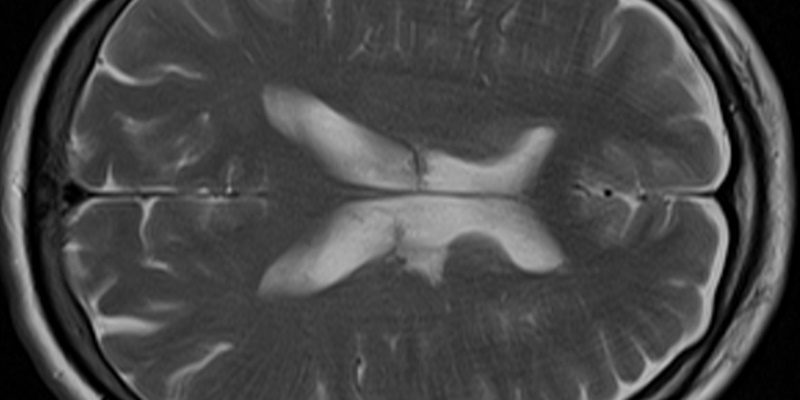
1. Computed tomography angiography of the head and neck (CTAHN) is most likely to reveal an acute finding that changes emergency management in patients presenting with suspected stroke, especially when there are focal neurologic deficits, abnormal noncontrast head computed tomography findings, new symptoms, or symptoms that are maximal at onset.

2. CTAHN appears to have a relatively low clinical yield in patients with isolated dizziness and in patients with nonspecific visual complaints such as blurry vision or positive visual phenomena, which supports more selective use in these presentations.

Evidence Rating Level: 2 (Good)

Study Rundown: This retrospective single-center study assessed the yield of CTAHN in 1,445 adults presenting to the emergency department in 2023 with stroke code, headache, dizziness, altered mental status, or vision changes. The authors defined a positive study as one that led to an acute management change, excluding incidental findings. Overall, 14.9% of CTAHNs changed management. Yield was highest for stroke code (21.2%) and vision changes (14.7%) and lowest for dizziness (4.0%). In stroke code presentations, abnormal CT head findings, focal neurologic deficits, new symptoms, maximal symptom severity at onset, and tobacco use predicted actionable CTAHN findings, whereas prior neurologic disease was protective. NIHSS scores of 10 to 14 had the highest yield. In headache, abnormal CT head findings, thunderclap onset, and hypertension increased the yield. CTAHN was low yield for isolated dizziness and non-actionable for blurry vision or positive visual phenomena.

Click to read the study in Neurology

Relevant Reading: Temporal trends in stroke incidence over time by sex and age in the GCNKSS

RELATED REPORTS

One in four National Football League (NFL) players who died between 2016-2021 had evidence of chronic traumatic encephalopathy

Brain-predicted age difference may reliably predict dementia progression

Diffusion-weighted imaging may aid in prognostication for intracerebral hemorrhage

In-Depth [retrospective cohort study]: 

This retrospective cohort study evaluated the diagnostic yield of CT angiography of the head and neck (CTAHN) in adults presenting to a Level 1 academic emergency department with common neurologic complaints and sought to identify clinical features associated with actionable vascular findings. The authors note that CTAHN use has risen substantially in recent years despite known downsides, including radiation exposure, contrast risk, cost, and downstream resource utilization. Their goal was therefore not simply to measure abnormal scan frequency, but to determine which scans led to an acute management change, defined as an imaging finding relevant to the presenting syndrome that altered immediate care, such as thrombolysis or thrombectomy decisions, initiation of antiplatelet therapy, carotid intervention, or treatment of hypoperfusion-related symptoms. Incidental findings were excluded from this definition. 

The investigators reviewed 1,445 adult ED encounters from 2023 in which CTAHN was obtained for 1 of 5 common neurologic presentations: stroke code, headache, dizziness, altered mental status, or vision changes. Only the first encounter per patient was analyzed. They assessed demographic and clinical variables, including prior neurologic history, prior imaging abnormalities, abnormal non-contrast CT head findings, focal deficits, symptom pattern, tobacco and substance use, and selected vital signs. Multivariable logistic regression with LASSO-based variable selection was used to identify predictors of CTAHN findings associated with acute management change, with Firth penalized logistic regression applied when appropriate. 

Overall, 216 of 1,445 CTAHNs, or 14.9%, resulted in acute management change. Yield varied substantially by presenting complaint. Stroke code had the highest absolute number and the highest yield at 21.2%, followed by vision changes at 14.7%, altered mental status at 12.0%, headache at 8.4%, and dizziness at 4.0%. Most patients were older adults, with a mean age of 62.7 years, and stroke code accounted for more than half of all included CTAHN studies. 

Among stroke code presentations, several independent predictors of actionable CTAHN findings emerged. Abnormal CT head findings were strongly associated with acute management change (OR 2.84), as were focal neurologic deficits (OR 2.2), new rather than recurrent symptoms (OR 2.39), maximal symptom severity at onset rather than progressive onset (OR 3.95), and tobacco use (OR 2.02). A prior neurologic disorder reduced the odds of acute CTAHN-related management change (OR 0.56), likely reflecting stroke mimics. The figure on page 5 also showed that NIHSS scores of 10 to 14 had the highest proportion of actionable scans at 39.5%, whereas very low and very high scores had a lower yield. Importantly, some patients with NIHSS 0 still had actionable vascular findings, particularly in the setting of monocular vision loss, stuttering symptoms, or posterior circulation presentations. 

For headache, acute CT head abnormalities, thunderclap onset, and a history of hypertension each increased the likelihood of acute management change by roughly fivefold, whereas hyperlipidemia was inversely associated. Other headache-related features were not significant. 

For dizziness, altered mental status, and vision changes, the data were less robust because the optimal model was intercept-only, so only descriptive or univariate patterns could be reported. CTAHN was low yield for isolated dizziness, and some apparent positives ultimately proved insignificant. In altered mental status, abnormal CT head findings substantially increased the yield. In vision-related presentations, CTAHN appeared most useful for vision loss or diplopia; no actionable findings occurred in patients with blurry vision or positive visual phenomena. Previous abnormal neuroimaging and diabetes appeared to increase yield in the vision-change subgroup. 

The study is limited by its retrospective single-center design, reliance on documentation and radiology reports, and the inability to generate stable multivariable models for several symptom groups. Some CTAHN-driven management changes may also have represented false positives if subsequent testing was unrevealing. Still, the authors conclude that CTAHN ordering in the ED can be made more selective by focusing on syndrome-specific predictors, especially in stroke code and thunderclap headache presentations, while avoiding low-yield use in isolated dizziness and nonspecific visual complaints.

Image: PD

©2026 2 Minute Medicine, Inc. All rights reserved. No works may be reproduced without expressed written consent from 2 Minute Medicine, Inc. Inquire about licensing here. No article should be construed as medical advice and is not intended as such by the authors or by 2 Minute Medicine, Inc. 

Tags: acute strokecomputed tomography angiography (CTA)emergencyimaging and interventionneurology
Previous Post

2 Minute Medicine Rewind March 9, 2026

Next Post

Oral infigratinib boosts growth velocity in achondroplasia study

RelatedReports

Chronic Disease

One in four National Football League (NFL) players who died between 2016-2021 had evidence of chronic traumatic encephalopathy

August 27, 2026
Chronic Disease

Brain-predicted age difference may reliably predict dementia progression

August 19, 2026
No difference in mortality for intensive versus standard reduction in blood pressure in intracerebral hemorrhage: The ATACH-2 trial
Emergency

Diffusion-weighted imaging may aid in prognostication for intracerebral hemorrhage

August 18, 2026
Low free sugar diet reduces hepatic steatosis in nonalcoholic fatty liver disease in adolescent males
Weekly Rewinds

2 Minute Medicine Rewind August 17, 2026

August 17, 2026
Next Post
Pediatric palliative care outcome measures often miss quality of life

Oral infigratinib boosts growth velocity in achondroplasia study

Glucagon-like peptide-1 receptor agonists are associated with reduced risk of developing substance use disorders

Patient Basics: Shingles (Herpes Zoster)

Shingles vaccine and sildenafil linked to lower Alzheimer’s risk

EvidencePulse™ by 2 Minute Medicine 2026 evidence scan 3 reports You asked top stroke trials 2026 Synthesizing medical evidence... Top 2026 stroke trial results: OCEANIC — ischemic stroke: 6.2% vs 8.4% OPTION* — mRS 0–1: 43.6% vs 34.2% ORIENTAL* — mRS 0–2: 58.6% vs 46.6% *Higher sICH in intervention arms Participants randomizedN OCEANIC 12,327 OPTION 570 ORIENTAL 564 Ask about guidelines or landmark trials... ↑ Try EvidencePulse™ Ask the evidence.
Get the signal.
Try it now → Physician-trained medical AI by 2 Minute Medicine

2MM+ All Access

Full details →
$4.99 /month

5-day free trial · cancel anytime

  • ✓100+ physician-written reports
  • ✓EvidencePulse™ + HypeCheck™
  • ✓Ad-free reading + newsletters
Start 5-day free trial

Then $4.99/month. Manage renewal in your account.

2 Minute Medicine® is an award winning, physician-run, expert medical media company. Our content is curated, written and edited by practicing health professionals who have clinical and scientific expertise in their field of reporting. Our editorial management team is comprised of highly-trained MD physicians. Join numerous brands, companies, and hospitals who trust our licensed content.

Recent Reports

  • Transanastomotic tubes not linked to anastomotic stricture after esophageal atresia repair
  • Artificial intelligence (AI) chatbot reduced depression, anxiety, and eating disorder risk symptoms
  • Real-time AI guidance enters live brain tumor surgery
License Content
Terms of Use | Disclaimer
Cookie Policy
Cleantalk Pixel
2MM+ All Access Full details →

The medical literature, distilled daily.

Monthly plan selected: $4.99 /month.

$4.99/month

5-day free trial · cancel anytime

Start 5-day free trial

Then $4.99/month. Manage renewal in your account.

Yearly plan selected: $49.90 /year.

$49.90/year

2 months free · only $4.16/month

Start 5-day free trial

Then $49.90/year. Manage renewal in your account.

Membership benefits

  • ✓100+ physician-written reports
  • ✓AI EvidencePulse™ + HypeCheck™
  • ✓Ad-free reading + newsletters

Already a member? Sign in

  • About
  • Specialties
    • All Specialties, All Recent Reports
    • Cardiology
    • Chronic Disease
    • Dermatology
    • Emergency
    • Endocrinology
    • Gastroenterology
    • Imaging and Intervention
    • Infectious Disease
    • Nephrology
    • Neurology
    • Obstetrics
    • Oncology
    • Ophthalmology
    • Pediatrics
    • Pharma
    • Preclinical
    • Psychiatry
    • Public Health
    • Pulmonology
    • Rheumatology
    • Surgery
  • Tools
    • EvidencePulse™
    • HypeCheck™
    • NPI Registry Lookup
    • RVU Search
  • Pharma
  • AI Roundup
  • The Scan
  • Classics™
    • 2MM+ Online Access
    • Paperback and Ebook
  • Rewinds
  • Partners
    • License Content
    • Submit Press Release
    • Advertise with Us
  • Account
    • Subscribe
    • My account
    • Cart
    • Sign-in
No Result
View All Result

© 2026 2 Minute Medicine, Inc. - Physician-written medical news.