• About
  • Masthead
  • License Content
  • Advertise
  • Submit Press Release
  • RSS/Email List
  • 2MM Podcast
  • Write for us
  • Contact Us
2 Minute Medicine
No Result
View All Result

No products in the cart.

SUBSCRIBE
  • Specialties
    • All Specialties, All Recent Reports
    • Cardiology
    • Chronic Disease
    • Dermatology
    • Emergency
    • Endocrinology
    • Gastroenterology
    • Imaging and Intervention
    • Infectious Disease
    • Nephrology
    • Neurology
    • Obstetrics
    • Oncology
    • Ophthalmology
    • Pediatrics
    • Pharma
    • Preclinical
    • Psychiatry
    • Public Health
    • Pulmonology
    • Rheumatology
    • Surgery
  • Tools
    • EvidencePulse™
    • RVU Search
    • NPI Registry Lookup
  • Pharma
  • AI News
  • The Scan+
  • Classics™+
    • 2MM+ Online Access
    • Paperback and Ebook
  • Rewinds
  • Partners
    • License Content
    • Submit Press Release
    • Advertise with Us
  • Account
    • Subscribe
    • Sign-in
    • My account
2 Minute Medicine
  • Specialties
    • All Specialties, All Recent Reports
    • Cardiology
    • Chronic Disease
    • Dermatology
    • Emergency
    • Endocrinology
    • Gastroenterology
    • Imaging and Intervention
    • Infectious Disease
    • Nephrology
    • Neurology
    • Obstetrics
    • Oncology
    • Ophthalmology
    • Pediatrics
    • Pharma
    • Preclinical
    • Psychiatry
    • Public Health
    • Pulmonology
    • Rheumatology
    • Surgery
  • Tools
    • EvidencePulse™
    • RVU Search
    • NPI Registry Lookup
  • Pharma
  • AI News
  • The Scan+
  • Classics™+
    • 2MM+ Online Access
    • Paperback and Ebook
  • Rewinds
  • Partners
    • License Content
    • Submit Press Release
    • Advertise with Us
  • Account
    • Subscribe
    • Sign-in
    • My account
SUBSCRIBE
2 Minute Medicine
Subscribe
Home All Specialties Cardiology

Cryoballoon ablation for prevention of atrial arrhythmia recurrence
byThomas SuandDeepti Shroff
December 1, 2020
in Cardiology, Chronic Disease
Reading Time: 3 mins read
0
Share on FacebookShare on Twitter

1. Patients with recurrent atrial fibrillation who received cryoballoon ablation were significantly more likely to remain free of subsequent arrhythmia after 1 year compared to those who received antiarrhythmics.

2. Serious procedure-related events were infrequent, and the total number of serious adverse events was similar between groups.

Evidence Rating Level: 1 (Excellent)

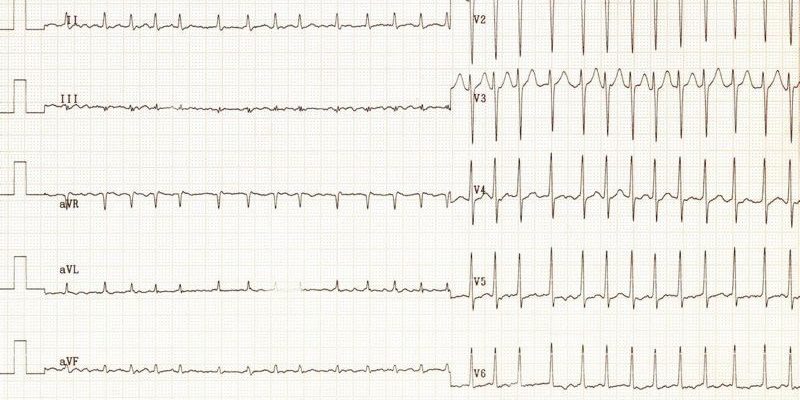
Study Rundown: In patients with symptomatic paroxysmal atrial fibrillation, early rhythm control is associated with superior cardiovascular outcomes and may decrease progression to permanent atrial fibrillation, which is associated with irreversible morphological remodeling. Radiofrequency current ablation has consistently been shown to be more effective than antiarrhythmic drug therapy in preventing the recurrence of drug-refractory paroxysmal atrial fibrillation, but few studies have been conducted investigating whether this method is appropriate as an first-line therapy. While this intervention is associated with a relatively high incidence of severe adverse events and a relatively high rate of repeat procedures, cryoballoon ablation has emerged in recent years as an alternative, potentially safer catheterization approach. In this study, cryoballoon ablation was compared against antiarrhythmic use as an initial treatment for adult patients with recurrent symptomatic paroxysmal atrial fibrillation. At 12 months, a significantly greater percentage of patients who received cryoballoon ablation remained free of atrial arrhythmia recurrence compared to those who received drug therapy. Initial failure of the procedure occurred in under 3% of those in the ablation group, and no patients required repeat ablation. Serious adverse events related to the procedure occurred in 2% of patients in the ablation group, but the overall rate of serious adverse events was similar between groups. Longer-term and larger-scale studies are necessary to confirm the robustness and durability of treatment response, but these preliminary findings constitute additional evidence in favor of ablation as a first-line strategy for paroxysmal atrial fibrillation.

Click here to read the study in NEJM

Relevant Reading: Long-Term Outcomes After Ablation for Paroxysmal Atrial Fibrillation Using the Second-Generation Cryoballoon: Final Results from STOP AF Post-Approval Study

RELATED REPORTS

2 Minute Medicine Rewind March 2, 2026

Association between atrial fibrillation and both the in-hospital mortality and disease severity in acute pancreatitis: insights from a multicenter study

2 Minute Medicine Rewind December 29th, 2025

In-Depth [randomized controlled trial]: In this multicenter study with an enrollment period of June 2017 through May 2019, 225 adults who had recurrent symptomatic paroxysmal atrial fibrillation without marked left atrial enlargement were randomly assigned in a 1:1 ratio to receive either cryoballoon catheter ablation or pharmacotherapy with a class I or III antiarrhythmic drug. Patients were excluded if they had previously received any form of rhythm control. At 12 months, treatment success (defined as freedom from initial failure of the procedure or  recurrence of atrial arrhythmia) was observed in 74.6% (95% CI, 65.0 to 82.0) of patients in the ablation group and 45.0% (95% CI, 34.6 to 54.7) of patients in the drug therapy group (P<0.001 by log-rank test). Notably, one-third (34%) of patients in the drug-therapy group crossed over to ablation because of drug-related side effects or recurrence of arrhythmia, and no patient in either group underwent ablation more than once. Within the per-protocol ablation group, two patients (1.9%; 95% CI, 0.5 to 7.5) suffered from a serious procedure-related event (pericardial effusion or myocardial infarction); one patient who received ablation after crossing over also had a major vascular complication. However, no between-group difference was observed in the total occurrence of serious adverse events. Ablation was also associated with dramatic quality-of-life improvements as measured by both the AFEQT and the EQ-5D, but the two groups were similar with respect to subsequent cardiovascular-related health care utilization (69.9% vs. 53.5%) or free from cardioversion (97.1% vs. 92.4%).

Image: PD

©2020 2 Minute Medicine, Inc. All rights reserved. No works may be reproduced without expressed written consent from 2 Minute Medicine, Inc. Inquire about licensing here. No article should be construed as medical advice and is not intended as such by the authors or by 2 Minute Medicine, Inc.

Tags: ablationatrial fibrillationcryoballoon catheter ablation
Previous Post

#VisualAbstract: Effectiveness of lorlatinib in advanced anaplastic lymphoma kinase-positive lung cancer

Next Post

Ezogabine with potential to slow disease progression for amyotrophic lateral sclerosis in phase 2 trial

RelatedReports

Few older adolescents meet recommended levels of physical activity
Weekly Rewinds

2 Minute Medicine Rewind March 2, 2026

March 2, 2026
Mild-to-moderate hypertriglyceridemia associated with higher risk of acute pancreatitis
Cardiology

Association between atrial fibrillation and both the in-hospital mortality and disease severity in acute pancreatitis: insights from a multicenter study

January 12, 2026
Admission may not be needed following sleep apnea surgery
Weekly Rewinds

2 Minute Medicine Rewind December 29th, 2025

January 12, 2026
Lariat device for left atrial appendage exclusion associated with adverse events
Cardiology

Atrial fibrillation risk is high following coronary artery bypass grafting and is low but gradually accumulates following percutaneous coronary intervention

January 13, 2026
Next Post
Quick Take: Amyotrophic Lateral Sclerosis versus Multifocal Motor Neuropathy: Utility of MR Neurography

Ezogabine with potential to slow disease progression for amyotrophic lateral sclerosis in phase 2 trial

#VisualAbstract: Effectiveness of lorlatinib in advanced anaplastic lymphoma kinase-positive lung cancer

#VisualAbstract: Golimumab effective at preserving insulin production in type 1 diabetes

Prevalence of hypertension among adolescents varies by race and BMI

Spironolactone use associated with improved outcomes for patients with HFpEF and resistant hypertension

2 Minute Medicine® is an award winning, physician-run, expert medical media company. Our content is curated, written and edited by practicing health professionals who have clinical and scientific expertise in their field of reporting. Our editorial management team is comprised of highly-trained MD physicians. Join numerous brands, companies, and hospitals who trust our licensed content.

Recent Reports

  • A multidisciplinary home-based intervention may reduce risk of falls after stroke
  • Prednisone may have bone and cardiovascular benefits compared to hydrocortisone therapy in adrenal insufficiency
  • Lilly’s retatrutide achieves significant weight loss and A1C reduction in Phase 3 trial
License Content
Terms of Use | Disclaimer
Cookie Policy
Privacy Statement (EU)
Disclaimer

The Classics in Medicine Paperback Released!

Over the past 30 years, the transition from print to digital media has contributed to an exponential increase in medical literature. In response, 2 Minute Medicine presents 160+ authoritative, physician-written summaries of the most cited landmark trials in medicine.

amazon-logo_blackGet-it-on-iBooks-badge

Click anywhere to close this announcement

  • Specialties
    • All Specialties, All Recent Reports
    • Cardiology
    • Chronic Disease
    • Dermatology
    • Emergency
    • Endocrinology
    • Gastroenterology
    • Imaging and Intervention
    • Infectious Disease
    • Nephrology
    • Neurology
    • Obstetrics
    • Oncology
    • Ophthalmology
    • Pediatrics
    • Pharma
    • Preclinical
    • Psychiatry
    • Public Health
    • Pulmonology
    • Rheumatology
    • Surgery
  • Tools
    • EvidencePulse™
    • RVU Search
    • NPI Registry Lookup
  • Pharma
  • AI News
  • The Scan
  • Classics™
    • 2MM+ Online Access
    • Paperback and Ebook
  • Rewinds
  • Partners
    • License Content
    • Submit Press Release
    • Advertise with Us
  • Account
    • Subscribe
    • Sign-in
    • My account
No Result
View All Result

© 2026 2 Minute Medicine, Inc. - Physician-written medical news.