• About
  • Masthead
  • License Content
  • Advertise
  • Submit Press Release
  • RSS/Email List
  • 2MM Podcast
  • Write for us
  • Contact Us
2 Minute Medicine
No Result
View All Result

No products in the cart.

SUBSCRIBE
  • Specialties
    • All Specialties, All Recent Reports
    • Cardiology
    • Chronic Disease
    • Dermatology
    • Emergency
    • Endocrinology
    • Gastroenterology
    • Imaging and Intervention
    • Infectious Disease
    • Nephrology
    • Neurology
    • Obstetrics
    • Oncology
    • Ophthalmology
    • Pediatrics
    • Pharma
    • Preclinical
    • Psychiatry
    • Public Health
    • Pulmonology
    • Rheumatology
    • Surgery
  • Tools
    • EvidencePulse™
    • RVU Search
    • NPI Registry Lookup
  • Pharma
  • AI News
  • The Scan+
  • Classics™+
    • 2MM+ Online Access
    • Paperback and Ebook
  • Rewinds
  • Partners
    • License Content
    • Submit Press Release
    • Advertise with Us
  • Account
    • Subscribe
    • Sign-in
    • My account
2 Minute Medicine
  • Specialties
    • All Specialties, All Recent Reports
    • Cardiology
    • Chronic Disease
    • Dermatology
    • Emergency
    • Endocrinology
    • Gastroenterology
    • Imaging and Intervention
    • Infectious Disease
    • Nephrology
    • Neurology
    • Obstetrics
    • Oncology
    • Ophthalmology
    • Pediatrics
    • Pharma
    • Preclinical
    • Psychiatry
    • Public Health
    • Pulmonology
    • Rheumatology
    • Surgery
  • Tools
    • EvidencePulse™
    • RVU Search
    • NPI Registry Lookup
  • Pharma
  • AI News
  • The Scan+
  • Classics™+
    • 2MM+ Online Access
    • Paperback and Ebook
  • Rewinds
  • Partners
    • License Content
    • Submit Press Release
    • Advertise with Us
  • Account
    • Subscribe
    • Sign-in
    • My account
SUBSCRIBE
2 Minute Medicine
Subscribe
Home All Specialties Neurology

Ezogabine with potential to slow disease progression for amyotrophic lateral sclerosis in phase 2 trial
byBrian DoughertyandAlex Chan
December 1, 2020
in Neurology
Reading Time: 2 mins read
0
Share on FacebookShare on Twitter

1. Dose-dependent ezogabine was shown to decrease motor neuron excitability, a marker of disease progression, in patients with amyotrophic lateral sclerosis.

Evidence Level Rating: 1 (Excellent)

Associated with the progressive loss of cortical and spinal motor neurons, amyotrophic lateral sclerosis (ALS) portends a poor prognosis. Studies have shown that greater motor neuron excitability is prognostic of disease progression. This phase 2, randomized study investigated whether ezogabine, an antieplietptic medication that activates KCNQ potassium channels, decreases cortical and motor neuron excitability in patients with ALS. 23 patients were randomized to receive 600 mg/day of ezogabine (mean [SD] age = 58.8 [9.5] years, 17.4% female), 19 to receive 900 mg/day of ezogabine (mean [SD] age = 58.9 [9.1] years, 31.6% female), and 23 to receive a placebo (mean [SD] age = 57.4 [8.0] years, 43.5% female). The primary outcome was change in short-interval intracortical inhibition (SICI), a decrease of which is seen in early ALS and is associated with cortical hyperexcitability. SICI-1, a log transformation differing from SICI only in sign, was used in analysis so that greater inhibition resulted in increased amplitude. A dose-dependent increase in SICI as measured by SICI-1, the primary outcome, was observed across the treatment groups compared with the placebo group (mean ratio 600 mg/day ezogabine group: 1.15, 95% CI 0.87 to 1.52, p = 0.31; 900 mg/day ezogabine group: 1.53, 95% CI 1.12 to 2.09, p = 0.009). Furthermore, ezogabine exhibited dose-dependent changes in specific parameters related to axonal excitability, including a decrease in strength-duration time constant (SDTC) and an increase in rheobase, both markers of membrane excitability, threshold electrotonus, and recovery cycles. In all, this study demonstrated that ezogabine decreased motor neuron excitability among patients with ALS. Further studies, though, are needed to assess whether it has sustained effects on excitability and can slow disease progression.

Click to read the study in JAMA

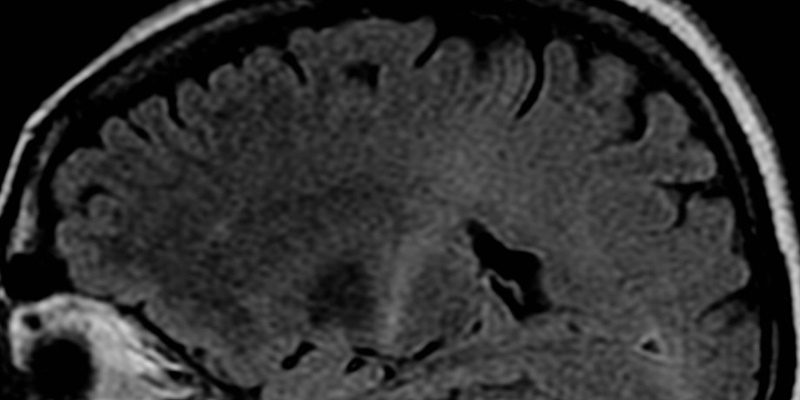
Image: PD

©2020 2 Minute Medicine, Inc. All rights reserved. No works may be reproduced without expressed written consent from 2 Minute Medicine, Inc. Inquire about licensing here. No article should be construed as medical advice and is not intended as such by the authors or by 2 Minute Medicine, Inc.
RELATED REPORTS

Physical frailty is associated with increased risk of epilepsy

Tenecteplase (TNKase) may worsen functional outcomes in older patients with minor ischemic stroke

Transcranial ultrasound stimulation may modulate acute heat pain perception

Tags: amyotrophic lateral sclerosis (ALS)neurology
Previous Post

Cryoballoon ablation for prevention of atrial arrhythmia recurrence

Next Post

#VisualAbstract: Golimumab effective at preserving insulin production in type 1 diabetes

RelatedReports

Home nursing visits for elderly after hospitalization may reduce short term mortality
Chronic Disease

Physical frailty is associated with increased risk of epilepsy

May 20, 2026
Non-alcoholic fatty liver disease and risk of incident acute myocardial infarction and stroke: findings from matched cohort study of 18 million European adults
Neurology

Tenecteplase (TNKase) may worsen functional outcomes in older patients with minor ischemic stroke

April 24, 2026
Brain lesions on MRI linked with subsequent increased stroke risk
Imaging and Intervention

Transcranial ultrasound stimulation may modulate acute heat pain perception

April 20, 2026
No difference in mortality for intensive versus standard reduction in blood pressure in intracerebral hemorrhage: The ATACH-2 trial
Emergency

Early control of systolic blood pressure following intracerebral hemorrhage may improve functional recovery

March 24, 2026
Next Post
#VisualAbstract: Effectiveness of lorlatinib in advanced anaplastic lymphoma kinase-positive lung cancer

#VisualAbstract: Golimumab effective at preserving insulin production in type 1 diabetes

Prevalence of hypertension among adolescents varies by race and BMI

Spironolactone use associated with improved outcomes for patients with HFpEF and resistant hypertension

#VisualAbstract: Evaluation of adjuvant treatments for T1 N0 M0 triple-negative breast cancer

#VisualAbstract: Evaluation of adjuvant treatments for T1 N0 M0 triple-negative breast cancer

2 Minute Medicine® is an award winning, physician-run, expert medical media company. Our content is curated, written and edited by practicing health professionals who have clinical and scientific expertise in their field of reporting. Our editorial management team is comprised of highly-trained MD physicians. Join numerous brands, companies, and hospitals who trust our licensed content.

Recent Reports

  • TikTok’s cortisol face trend meets endocrine reality
  • Semaglutide (Ozempic) raises questions about mood and nonresponse
  • Cruise ship hantavirus outbreak turns into a global contact tracing test
License Content
Terms of Use | Disclaimer
Cookie Policy
Privacy Statement (EU)
Disclaimer
  • Specialties
    • All Specialties, All Recent Reports
    • Cardiology
    • Chronic Disease
    • Dermatology
    • Emergency
    • Endocrinology
    • Gastroenterology
    • Imaging and Intervention
    • Infectious Disease
    • Nephrology
    • Neurology
    • Obstetrics
    • Oncology
    • Ophthalmology
    • Pediatrics
    • Pharma
    • Preclinical
    • Psychiatry
    • Public Health
    • Pulmonology
    • Rheumatology
    • Surgery
  • Tools
    • EvidencePulse™
    • RVU Search
    • NPI Registry Lookup
  • Pharma
  • AI News
  • The Scan
  • Classics™
    • 2MM+ Online Access
    • Paperback and Ebook
  • Rewinds
  • Partners
    • License Content
    • Submit Press Release
    • Advertise with Us
  • Account
    • Subscribe
    • Sign-in
    • My account
No Result
View All Result

© 2026 2 Minute Medicine, Inc. - Physician-written medical news.