• About
  • Masthead
  • License Content
  • Advertise
  • Submit Press Release
  • RSS/Email List
  • 2MM Podcast
  • Write for us
  • Contact Us
2 Minute Medicine
No Result
View All Result

No products in the cart.

SUBSCRIBE
  • About
  • Specialties
    • All Specialties, All Recent Reports
    • Cardiology
    • Chronic Disease
    • Dermatology
    • Emergency
    • Endocrinology
    • Gastroenterology
    • Imaging and Intervention
    • Infectious Disease
    • Nephrology
    • Neurology
    • Obstetrics
    • Oncology
    • Ophthalmology
    • Pediatrics
    • Pharma
    • Preclinical
    • Psychiatry
    • Public Health
    • Pulmonology
    • Rheumatology
    • Surgery
  • Tools+
    • EvidencePulse™
    • HypeCheck™
    • NPI Registry Lookup
    • RVU Search
  • Pharma
  • AI Roundup
  • The Scan+
  • Classics™+
    • 2MM+ Online Access
    • Paperback and Ebook
  • Rewinds
  • Partners
    • License Content
    • Submit Press Release
    • Advertise with Us
  • Account
    • Subscribe
    • My account
    • Cart
    • Sign-in
2 Minute Medicine
  • About
  • Specialties
    • All Specialties, All Recent Reports
    • Cardiology
    • Chronic Disease
    • Dermatology
    • Emergency
    • Endocrinology
    • Gastroenterology
    • Imaging and Intervention
    • Infectious Disease
    • Nephrology
    • Neurology
    • Obstetrics
    • Oncology
    • Ophthalmology
    • Pediatrics
    • Pharma
    • Preclinical
    • Psychiatry
    • Public Health
    • Pulmonology
    • Rheumatology
    • Surgery
  • Tools+
    • EvidencePulse™
    • HypeCheck™
    • NPI Registry Lookup
    • RVU Search
  • Pharma
  • AI Roundup
  • The Scan+
  • Classics™+
    • 2MM+ Online Access
    • Paperback and Ebook
  • Rewinds
  • Partners
    • License Content
    • Submit Press Release
    • Advertise with Us
  • Account
    • Subscribe
    • My account
    • Cart
    • Sign-in
SUBSCRIBE
2 Minute Medicine
Subscribe
EvidencePulse™ by 2 Minute Medicine 2026 evidence scan 3 reports You asked top stroke trials 2026 Synthesizing medical evidence... Top 2026 stroke trial results: OCEANIC — ischemic stroke: 6.2% vs 8.4% OPTION* — mRS 0–1: 43.6% vs 34.2% ORIENTAL* — mRS 0–2: 58.6% vs 46.6% *Higher sICH in intervention arms Participants randomizedN OCEANIC 12,327 OPTION 570 ORIENTAL 564 Ask about guidelines or landmark trials... ↑ Try EvidencePulse™ Ask the evidence.
Get the signal.
Try it now → Physician-trained medical AI by 2 Minute Medicine
Home All Specialties Cardiology

Device thrombosis more likely with bioresorbable scaffolds versus drug-eluting stents
byDayton McMillan
June 16, 2017
in Cardiology, Chronic Disease, Imaging and Intervention, Surgery
Reading Time: 2 mins read
Radiation dose associated with increased heart disease in Hodgkin lymphoma survivors
Share on FacebookShare on Twitter

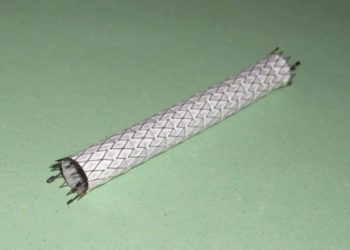
1. Device thrombosis occurred at a higher rate in patients undergoing percutaneous coronary intervention (PCI) utilizing a bioabsorbable scaffold compared to a metallic stent, both of which were covered in everolimus.

2. Failure of vessel revascularization and cardiac death occurs at similar rates for PCI procedures utilizing bioresorbable scaffolds and metallic stents.

Evidence Rating: 1 (Excellent)

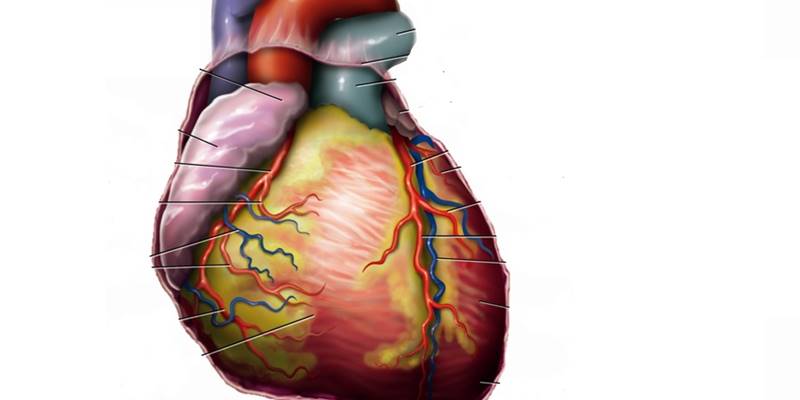
Study Rundown: Drug-eluting stents (DES) are commonly used in PCI for treating coronary artery disease (CAD), though their rigid intravascular structure is associated with a risk of reocclusion. A new type of device, bioresorbable scaffolds, could potentially improve vessel function without leaving a permanent intravascular structure prone to reocclusion. Prior work has been mixed regarding reocclusion rates of bioresorbable stents compared to DES. As bioresorbable scaffolds have become more widely approved, better comparison of devices utilized in routine clinical practice and with longer follow-up is needed.

This randomized study looked to compare rates of vessel reocclusion and complications of reocclusion for patients undergoing PCI using bioresorbable scaffolds and DES, both covered in the immunosuppressant everolimus. Patients included in the study had CAD deemed suitable for PCI. Comparing treatment groups at 2 years follow-up, no difference was observed between treatment groups regarding rates of target-vessel failure, revascularization, or cardiac death. Thrombosis was more likely in the bioresorbable scaffold group, as was target-vessel myocardial infarction (MI). This study suggests the pathologic process of thrombosis, and clinically significant target-vessel MI, may be more common in vessels treated with bioresorbable scaffolds. These results suggest further evaluation of bioresorbable scaffold efficacy is needed, even though rates of cardiac death and target-vessel failure occur at similar rates compared to DES.

Click to read the study, published in NEJM

RELATED REPORTS

Thrombolysis-to-puncture time greater than 70 minutes decreases odds of successful thrombectomy

Analysis of clinical outcomes utilizing ultrasound-assisted catheter-directed thrombolysis for pulmonary embolism

De-escalating dual antiplatelet therapy may lower major bleeding risk following drug-eluting stent implantation

Relevant Reading: Improving vessel healing with fully bioresorbable drug-eluting stents: more than a pipe dream?

In-Depth [randomized controlled trial]: This noninferiority, randomized clinical trial enrolled 1845 patients in the Netherlands between 2013 and 2015. Enrolled patients had CAD and vascular lesions amenable to PCI. Randomization distributed patients in a 1:1 manner into bioresorbable vascular scaffold (n = 924) and drug-eluting stent (n = 921) treatment groups, and both devices were coated with everolimus. During the first year following placement, 63% of patients in the scaffold group had redilation procedures performed. Both groups received antiplatelet therapy per guidelines. Patients were followed for up to 5 years after the procedure to assess primary endpoints of cardiac death, target-vessel MI, and target-vessel failure, and secondary endpoints of device thrombosis and total death, MI, or revascularization events. Mean follow-up was 707 days. Target-vessel failure occurred in 105 scaffold patients and 94 stent patients (HR with bioresorbable scaffolds 1.12; 95%CI 0.85-1.48; p = 0.43). Cardiac death at 2 years occurred in 18 (2.0%) scaffold and 23 (2.7%) stent patients, respectively (HR 0.78; 95%CI 0.42-1.44; p = 0.43). Target-vessel MI occurred in 5.5% of scaffold and 3.2% of stent patients, respectively (HR, 1.60; 95%CI 1.01-2.53; p = 0.04). Definite or probable device thrombosis occurred at 2 years in 3.5% of scaffold and 0.9% of stent patients, respectively (HR, 3.87; 95%CI 1.78-8.42; p < 0.001).

Image: PD

©2017 2 Minute Medicine, Inc. All rights reserved. No works may be reproduced without expressed written consent from 2 Minute Medicine, Inc. Inquire about licensing here. No article should be construed as medical advice and is not intended as such by the authors or by 2 Minute Medicine, Inc.
Tags: drug eluting stentspercutaneous coronary interventionthrombosis
Previous Post

Self-monitoring of glucose in non-insulin dependent diabetics not linked to improved control

Next Post

Lipid nanoparticles deliver messenger RNA for hemophilia B protein replacement therapy [PreClinical]

RelatedReports

Intensive rehabilitation not superior to traditional therapy for arm function after stroke
Emergency

Thrombolysis-to-puncture time greater than 70 minutes decreases odds of successful thrombectomy

July 15, 2025
Quick Take: Hospital volume and outcomes for acute pulmonary embolism
Cardiology

Analysis of clinical outcomes utilizing ultrasound-assisted catheter-directed thrombolysis for pulmonary embolism

April 30, 2025
Stent type may not be related to adverse cardiac events after surgery
Cardiology

De-escalating dual antiplatelet therapy may lower major bleeding risk following drug-eluting stent implantation

August 29, 2026
Drug-coated balloons are noninferior to drug-eluting stents for treatment of small vessel coronary artery disease
Cardiology

Catheter-guided aortic valve replacement and angioplasty has favorable outcomes compared to surgical intervention

February 11, 2025
Next Post
Blood type correlates with egg reserve in infertile women

Lipid nanoparticles deliver messenger RNA for hemophilia B protein replacement therapy [PreClinical]

Radiofrequency ablation of hepatic metastases in colorectal cancer linked with improved survival

Low-cost biochip isolates cells for clinical diagnosis [PreClinical]

Ambrisentan found ineffective against idiopathic pulmonary fibrosis

Drug improves cystic fibrosis pulmonary inflammation and protein function [PreClinical]

EvidencePulse™ by 2 Minute Medicine 2026 evidence scan 3 reports You asked top stroke trials 2026 Synthesizing medical evidence... Top 2026 stroke trial results: OCEANIC — ischemic stroke: 6.2% vs 8.4% OPTION* — mRS 0–1: 43.6% vs 34.2% ORIENTAL* — mRS 0–2: 58.6% vs 46.6% *Higher sICH in intervention arms Participants randomizedN OCEANIC 12,327 OPTION 570 ORIENTAL 564 Ask about guidelines or landmark trials... ↑ Try EvidencePulse™ Ask the evidence.
Get the signal.
Try it now → Physician-trained medical AI by 2 Minute Medicine

2MM+ All Access

Full details →
$4.99 /month

5-day free trial · cancel anytime

  • ✓100+ physician-written reports
  • ✓EvidencePulse™ + HypeCheck™
  • ✓Ad-free reading + newsletters
Start 5-day free trial

Then $4.99/month. Manage renewal in your account.

2 Minute Medicine® is an award winning, physician-run, expert medical media company. Our content is curated, written and edited by practicing health professionals who have clinical and scientific expertise in their field of reporting. Our editorial management team is comprised of highly-trained MD physicians. Join numerous brands, companies, and hospitals who trust our licensed content.

Recent Reports

  • An ultrasound-guided percutaneous method of vagal nerve stimulation may be effective for refractory chronic pain
  • Daraxonrasib extends survival in metastatic pancreatic cancer
  • Artificial intelligence (AI) scribes showed mixed effects on documentation time and improvements in physician well-being
License Content
Terms of Use | Disclaimer
Cookie Policy
Cleantalk Pixel
2MM+ All Access Full details →

The medical literature, distilled daily.

Monthly plan selected: $4.99 /month.

$4.99/month

5-day free trial · cancel anytime

Start 5-day free trial

Then $4.99/month. Manage renewal in your account.

Yearly plan selected: $49.90 /year.

$49.90/year

2 months free · only $4.16/month

Start 5-day free trial

Then $49.90/year. Manage renewal in your account.

Membership benefits

  • ✓100+ physician-written reports
  • ✓AI EvidencePulse™ + HypeCheck™
  • ✓Ad-free reading + newsletters

Already a member? Sign in

  • About
  • Specialties
    • All Specialties, All Recent Reports
    • Cardiology
    • Chronic Disease
    • Dermatology
    • Emergency
    • Endocrinology
    • Gastroenterology
    • Imaging and Intervention
    • Infectious Disease
    • Nephrology
    • Neurology
    • Obstetrics
    • Oncology
    • Ophthalmology
    • Pediatrics
    • Pharma
    • Preclinical
    • Psychiatry
    • Public Health
    • Pulmonology
    • Rheumatology
    • Surgery
  • Tools
    • EvidencePulse™
    • HypeCheck™
    • NPI Registry Lookup
    • RVU Search
  • Pharma
  • AI Roundup
  • The Scan
  • Classics™
    • 2MM+ Online Access
    • Paperback and Ebook
  • Rewinds
  • Partners
    • License Content
    • Submit Press Release
    • Advertise with Us
  • Account
    • Subscribe
    • My account
    • Cart
    • Sign-in
No Result
View All Result

© 2026 2 Minute Medicine, Inc. - Physician-written medical news.