• About
  • Masthead
  • License Content
  • Advertise
  • Press Releases
  • Newsroom
  • RSS/Email List
  • 2MM Podcast
  • Write for us
  • Contact Us
2 Minute Medicine
No Result
View All Result

No products in the cart.

Sign in
SUBSCRIBE
  • About
  • Specialties
    • All Specialties, All Recent Reports
    • Cardiology
    • Chronic Disease
    • Dermatology
    • Emergency
    • Endocrinology
    • Gastroenterology
    • Imaging and Intervention
    • Infectious Disease
    • Nephrology
    • Neurology
    • Obstetrics
    • Oncology
    • Ophthalmology
    • Pediatrics
    • Pharma
    • Preclinical
    • Psychiatry
    • Public Health
    • Pulmonology
    • Rheumatology
    • Surgery
    • Rewinds
    • The Scan
  • EvidencePulse™
  • HypeCheck™
  • AI News
  • Classics™
    • 2MM+ Online Access
    • Paperback and Ebook
  • Tools
    • NPI Registry Lookup
    • RVU Search
  • Partners
    • License Content
    • Advertise with Us
2 Minute Medicine
  • About
  • Specialties
    • All Specialties, All Recent Reports
    • Cardiology
    • Chronic Disease
    • Dermatology
    • Emergency
    • Endocrinology
    • Gastroenterology
    • Imaging and Intervention
    • Infectious Disease
    • Nephrology
    • Neurology
    • Obstetrics
    • Oncology
    • Ophthalmology
    • Pediatrics
    • Pharma
    • Preclinical
    • Psychiatry
    • Public Health
    • Pulmonology
    • Rheumatology
    • Surgery
    • Rewinds
    • The Scan
  • EvidencePulse™
  • HypeCheck™
  • AI News
  • Classics™
    • 2MM+ Online Access
    • Paperback and Ebook
  • Tools
    • NPI Registry Lookup
    • RVU Search
  • Partners
    • License Content
    • Advertise with Us
Sign in
SUBSCRIBE
2 Minute Medicine
Sign in
Subscribe
2 Minute MedicineFree on Google PlayGet
✦ EvidencePulse™ by 2 Minute Medicine 2026 evidence scan 3 reports You asked top stroke trials 2026 Synthesizing medical evidence... Top 2026 stroke trial results: OCEANIC — ischemic stroke: 6.2% vs 8.4% OPTION* — mRS 0–1: 43.6% vs 34.2% ORIENTAL* — mRS 0–2: 58.6% vs 46.6% *Higher sICH in intervention arms Participants randomizedN OCEANIC 12,327 OPTION 570 ORIENTAL 564 Ask about guidelines or landmark trials... ↑ Try EvidencePulse™ Ask the evidence.
Get the signal.
Try it now → Physician-trained medical AI by 2 Minute Medicine
Home All Specialties Endocrinology

Double embryo transfer may be associated with neonatal risks
byMolly MunsellandAlex Gipsman, MD
December 19, 2022
in Endocrinology, Obstetrics, Pediatrics, Public Health
Reading Time: 3 mins read
Assisted conception not associated with increased pediatric cancer risk
Share on FacebookShare on TwitterShare on LinkedIn

1. In a large Swedish cohort of singleton births following the use of assisted reproductive technology, double embryo transfer was associated with significantly higher odds of neonatal death compared to single embryo transfer.

2. Both double and single embryo transfers were associated with an increased risk of congenital malformations compared to singleton births conceived without assistive reproductive technology.

Evidence Rating Level: 2 (Good)

Study Rundown: Conception via assisted reproductive technology has been linked to both obstetric risks and higher rates of neonatal complications, often linked to multiple gestations. This study aimed to assess whether the transfer of multiple embryos plays a significant role in this risk by comparing singleton births after single embryo transfer to double embryo transfer. Among about 31,000 births after single embryo transfer and 5,000 after double embryo transfer, the adjusted risk of neonatal death was higher in the double embryo transfer group at 0.3% compared to 0.1% in the single embryo group, indicating a significantly increased risk of neonatal death at an odds ratio of 2.67. Double embryo transfer was associated with a higher risk of low birth weight in the subgroups of frozen, but not fresh, cycles as well as transfers at the blastocyst, but not cleavage, stage. Compared to births following non-assisted conception within the same database, both single and double embryo transfer were associated with a higher risk of congenital malformations, but only double embryo transfer was associated with a higher risk of neonatal death. This large cohort study supports the notion that there are increased rates of neonatal morbidity and mortality in double embryo compared to single embryo transfer, although other factors such as fresh or frozen embryo status modified the effect. Although models were adjusted for factors that might motivate patients and providers to opt for double embryo transfer, including increased maternal age and history of spontaneous abortions, residual confounding due to differences in fertility potential may account for some part of the differences between the single and double embryo transfer groups.

Click to read the study in JAMA Pediatrics

Relevant Reading: Neonatal and maternal outcome after frozen embryo transfer: Increased risks in programmed cycles

RELATED REPORTS

Comparison of different types of ultrasound probes for lung ultrasound in neonates

Bariatric surgery may improve rates for spontaneous ovulation in patients with polycystic ovarian syndrome and obesity

In-Depth [retrospective cohort]: Live singleton births in Sweden between 2007 and 2017 were included. Data were drawn from a national assisted reproduction database and birth register. Infants with diagnosed genetic or chromosomal abnormalities were excluded. Both fresh and frozen embryo transfers at either cleavage or blastocyst stage were included. Odds ratios and relative risk ratios were estimated using logistic regression after adjustment for maternal age, birth order, delivery year, maternal birth country, previous spontaneous abortions, extrauterine pregnancies, and number of stimulation cycles. The 95% confidence interval (CI) for the risk of neonatal death in double compared to single embryo transfers was 1.28 to 5.55. This significant association persisted in a sensitivity analysis excluding possible multiple gestations, or vanishing twin syndrome. Within the frozen embryo subgroup, the risk of low birth weight was 5.4% for double embryo transfers versus 3.3% for single, yielding a relative risk ratio of 1.64 (95% CI 1.19-2.25). For blastocyst transfers, the respective rates of low birth weight were 7.4% and 4.2%, and the relative risk ratio was 1.83 (95% CI 1.29-2.60).

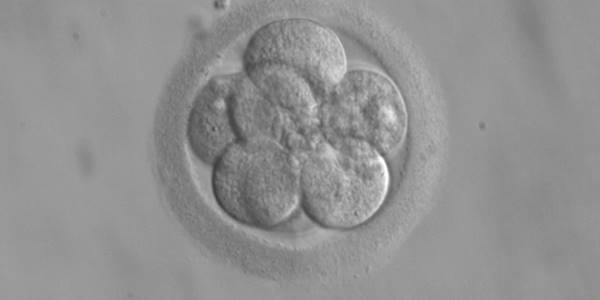
Image: PD

©2022 2 Minute Medicine, Inc. All rights reserved. No works may be reproduced without expressed written consent from 2 Minute Medicine, Inc. Inquire about licensing here. No article should be construed as medical advice and is not intended as such by the authors or by 2 Minute Medicine, Inc.

Tags: assisted reproductionin vitro fertilizationneonatologyreproductive endocrinology
Previous Post

Sulthiame may be a safe and effective medication for severe obstructive sleep apnea

Next Post

Tumor-infiltrating lymphocyte therapy compared to ipilimumab in advanced melanoma

RelatedReports

Racial, ethnic differences in outcomes of extremely preterm infants decreasing but persistent
Emergency

Comparison of different types of ultrasound probes for lung ultrasound in neonates

July 12, 2024
Letrozole (Femara) boosts fertility of women with Polycystic Ovarian Syndrome
Chronic Disease

Bariatric surgery may improve rates for spontaneous ovulation in patients with polycystic ovarian syndrome and obesity

June 12, 2024
Increasing C-section room temperature linked to reduced neonatal, maternal hypothermia
Gastroenterology

Nutrition source does not influence weight gain for moderate-to-late-preterm infants

June 12, 2024
Evidence-based supportive therapy for bronchiolitis varies significantly between hospitals
Emergency

Video laryngoscopes for urgent use improve intubation success in neonates

June 12, 2024
Next Post
Choosing Wisely campaign releases recommendations in newborn medicine

Tumor-infiltrating lymphocyte therapy compared to ipilimumab in advanced melanoma

Time from symptom onset may not predict infarct volume in stroke

Positive prostate MRI and targeted biopsy reduce the detection of clinically insignificant prostate cancer

Antioxidants, omega-3 lack benefit in age-related macular degeneration

Meta-analysis shows significant decrease in age-related macular degeneration risk with metformin use

✦ EvidencePulse™ by 2 Minute Medicine 2026 evidence scan 3 reports You asked top stroke trials 2026 Synthesizing medical evidence... Top 2026 stroke trial results: OCEANIC — ischemic stroke: 6.2% vs 8.4% OPTION* — mRS 0–1: 43.6% vs 34.2% ORIENTAL* — mRS 0–2: 58.6% vs 46.6% *Higher sICH in intervention arms Participants randomizedN OCEANIC 12,327 OPTION 570 ORIENTAL 564 Ask about guidelines or landmark trials... Try EvidencePulse™ Get the signal. Try it now → Physician-trained medical AI by 2 Minute Medicine

2MM+ All Access

Full details →
$4.99 /month

3-day free trial · cancel anytime

  • ✓100+ physician-written reports
  • ✓EvidencePulse™ + HypeCheck™
  • ✓Ad-free reading + newsletters
Start 3-day free trial

Then $4.99/month. Manage renewal in your account.

NPI Lookup · Free

Look up any US clinician

Search by name or NPI number, live from the CMS NPI Registry.

  • OIG exclusion check
  • Licenses and specialties
  • No account needed
Open NPI Lookup →

2 Minute Medicine® is an award winning, physician-run, expert medical media company. Our content is curated, written and edited by practicing health professionals who have clinical and scientific expertise in their field of reporting. Our editorial management team is comprised of highly-trained MD physicians. Join numerous brands, companies, and hospitals who trust our licensed content.

Recent Reports

  • Optogenetic therapy may partially restore vision in retinitis pigmentosa
  • An artificial intelligence system for human papillomavirus-positive dual stain cervical cancer screening reads p16-Ki67 slides
  • Elevated low-density lipoprotein cholesterol is a risk factor for atherosclerotic disease irrespective of familial hypercholesterolemia status
License Content
Terms of Use | Disclaimer
Cookie Policy

Get the app

Read 2 Minute Medicine on iPhone, iPad and Android.

Download on the App StoreGet it on Google Play
QR code for www.2minutemedicine.com/app
On a computer? Scan this with your phone’s camera.
2MM+ All Access Full details →

The medical literature, distilled daily.

Monthly plan selected: $4.99 /month.

$4.99/month

3-day free trial · cancel anytime

Start 3-day free trial

Then $4.99/month. Manage renewal in your account.

Yearly plan selected: $49.90 /year.

$49.90/year

2 months free

Start 3-day free trial

Then $49.90/year.

Membership benefits

  • ✓100+ physician-written reports
  • ✓AI EvidencePulse™ + HypeCheck™
  • ✓Ad-free reading + newsletters
  • ✓NPI watchlist + bulk NPI verification

Already a member? Sign in

  • About
  • Specialties
    • All Specialties, All Recent Reports
    • Cardiology
    • Chronic Disease
    • Dermatology
    • Emergency
    • Endocrinology
    • Gastroenterology
    • Imaging and Intervention
    • Infectious Disease
    • Nephrology
    • Neurology
    • Obstetrics
    • Oncology
    • Ophthalmology
    • Pediatrics
    • Pharma
    • Preclinical
    • Psychiatry
    • Public Health
    • Pulmonology
    • Rheumatology
    • Surgery
    • Rewinds
    • The Scan
  • EvidencePulse™
  • HypeCheck™
  • AI News
  • Classics™
    • 2MM+ Online Access
    • Paperback and Ebook
  • Tools
    • NPI Registry Lookup
    • RVU Search
  • Partners
    • License Content
    • Advertise with Us
No Result
View All Result

© 2026 2 Minute Medicine, Inc. - Physician-written medical news.