

• About
  • Masthead
  • License Content
  • Advertise
  • Submit Press Release
  • RSS/Email List
  • 2MM Podcast
  • Write for us
  • Contact Us
2 Minute Medicine
No Result
View All Result

No products in the cart.

SUBSCRIBE
  • About
  • Specialties
    • All Specialties, All Recent Reports
    • Cardiology
    • Chronic Disease
    • Dermatology
    • Emergency
    • Endocrinology
    • Gastroenterology
    • Imaging and Intervention
    • Infectious Disease
    • Nephrology
    • Neurology
    • Obstetrics
    • Oncology
    • Ophthalmology
    • Pediatrics
    • Pharma
    • Preclinical
    • Psychiatry
    • Public Health
    • Pulmonology
    • Rheumatology
    • Surgery
  • Tools+
    • EvidencePulse™
    • HypeCheck™
    • NPI Registry Lookup
    • RVU Search
  • Pharma
  • AI News
  • The Scan+
  • Classics™+
    • 2MM+ Online Access
    • Paperback and Ebook
  • Rewinds
  • Partners
    • License Content
    • Submit Press Release
    • Advertise with Us
  • Account
    • Subscribe
    • My account
    • Cart
    • Sign-in
2 Minute Medicine
  • About
  • Specialties
    • All Specialties, All Recent Reports
    • Cardiology
    • Chronic Disease
    • Dermatology
    • Emergency
    • Endocrinology
    • Gastroenterology
    • Imaging and Intervention
    • Infectious Disease
    • Nephrology
    • Neurology
    • Obstetrics
    • Oncology
    • Ophthalmology
    • Pediatrics
    • Pharma
    • Preclinical
    • Psychiatry
    • Public Health
    • Pulmonology
    • Rheumatology
    • Surgery
  • Tools+
    • EvidencePulse™
    • HypeCheck™
    • NPI Registry Lookup
    • RVU Search
  • Pharma
  • AI News
  • The Scan+
  • Classics™+
    • 2MM+ Online Access
    • Paperback and Ebook
  • Rewinds
  • Partners
    • License Content
    • Submit Press Release
    • Advertise with Us
  • Account
    • Subscribe
    • My account
    • Cart
    • Sign-in
SUBSCRIBE
2 Minute Medicine
Subscribe
Home All Specialties Infectious Disease

Eritoran does not decrease mortality during severe sepsis [The ACCESS Trial]

bys25qthea
March 19, 2013
in Infectious Disease, Surgery
Reading Time: 3 mins read
0
Share on FacebookShare on Twitter

[tabs tab1=”2MM Rundown” tab2= “2MM Full Report”]

[tab]

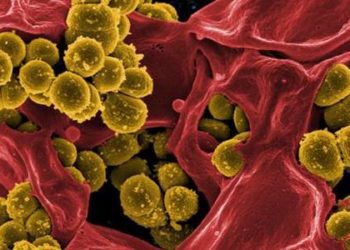
Image: PD

1. Previous phase I and phase II trials in severe sepsis patients show the lipopolysaccharide antagonist eritoran decreases mortality.  

2. In this phase III trial, eritoran is not shown to decrease 28-day or 1-year mortality in severe sepsis and septic shock patients.

Sepsis is the result of abnormal systemic inflammation, of which lipopolysaccharide (LPS) i.e. endotoxin is a major stimulator. The current standard of care for severe sepsis involves fluid resuscitation and antimicrobial therapy. Eritoran, a synthetic analog of lipid A, acts as a specific antagonist of LPS action. This randomized, double blind, placebo-controlled, phase III trial indicates eritoran does not decrease all cause mortality at 28 days or 1 year in severe sepsis and septic shock patients.

RELATED REPORTS

2 Minute Medicine Rewind July 6, 2026

Use of procalcitonin in neonatal late-onset sepsis may reduce the duration of antibiotic therapy without increase in mortality

2 Minute Medicine Rewind May 25, 2026

Published today, the authors of this study demonstrate LPS inhibitory agents such as eritoran may not be as promising as previously assumed. Limitations of this study include the heterogeneity in the administration of other concurrent supportive therapies contributing to survival. Also, eritoran was administered on average over 9 hours after signs of organ dysfunction so it is possible that an earlier eritoran administration may provide a better response. Regardless, given the lack of treatment options and its high mortality rate, future research should continue the investigation of targeted therapies in treating severe sepsis.

Click to read the study, published today in JAMA

[/tab]

[tab]

Image: PD

1. Previous phase I and phase II trials in severe sepsis patients show the lipopolysaccharide antagonist eritoran decreases mortality.  

2. In this phase III trial, eritoran is not shown to decrease 28-day or 1-year mortality in severe sepsis and septic shock patients. 

This [randomized, double blind, placebo-controlled, phase III] study: This trial evaluated 1,961 patients in severe sepsis or septic shock between June 2006 and September 2010. Patients were enrolled from North America, Europe, Asia, and Australia. 1304 patients received eritoran and 657 received a placebo. The primary treatment outcome of 28-day mortality was seen in 28.1% of patients in the eritoran group and 26.9% in the placebo group (p = 0.59) All-cause mortality at 1 year showed no differences in mortality (p = 0.79). Type of infection, e.g. gram-negative or gram-positive, did not have a significant effect on the treatment outcome.

In sum: Sepsis is the result of abnormal systemic inflammation, of which lipopolysaccharide (LPS) i.e. endotoxin is a major stimulator. The current standard of care for severe sepsis involves fluid resuscitation and antimicrobial therapy. Eritoran, a synthetic analog of lipid A, acts as a specific antagonist of LPS action. This randomized, double blind, placebo-controlled, phase III trial indicates eritoran does not decrease all cause mortality at 28 days or 1 year in severe sepsis and septic shock patients.

Published today, the authors of this study demonstrate LPS inhibitory agents such as eritoran may not be as promising as previously assumed. Limitations of this study include the heterogeneity in the administration of other concurrent supportive therapies contributing to survival. Also, eritoran was administered on average over 9 hours after signs of organ dysfunction so it is possible that an earlier eritoran administration may provide a better response. Regardless, given the lack of treatment options and its high mortality rate, future research should continue the investigation of targeted therapies in treating severe sepsis.

Click to read the study, published today in JAMA

By John Prendergass and Rif Rahman

More from this author:  Protected sleep periods improve intern alertness and sleep duration, ADHD medication decreases rates of criminality in ADHD patients, Low dose aspirin shows net clinical benefit in patients with first unprovoked venous thromboembolism

© 2013 2minutemedicine.com. All rights reserved. No works may be reproduced without written consent from 2minutemedicine.com. Disclaimer: We present factual information directly from peer reviewed medical journals. No post should be construed as medical advice and is not intended as such by the authors or by 2minutemedicine.com. PLEASE SEE A HEALTHCARE PROVIDER IN YOUR AREA IF YOU SEEK MEDICAL ADVICE OF ANY SORT. Content is produced in accordance with fair use copyrights solely and strictly for the purpose of teaching, news and criticism. No benefit, monetary or otherwise, is realized by any participants or the owner of this domain.

[/tab]

[/tabs]
Tags: access trialEritoranlipopolysaccharidesepsis
Previous Post

233 million women projected to lack modern contraceptives by 2015

Next Post

Patients at long-term increased mortality risk following stroke at young age

RelatedReports

Obstetric scoring systems overestimate cases of severe sepsis
All Specialties

2 Minute Medicine Rewind July 6, 2026

July 7, 2026
Obstetric scoring systems overestimate cases of severe sepsis
Emergency

Use of procalcitonin in neonatal late-onset sepsis may reduce the duration of antibiotic therapy without increase in mortality

May 28, 2026
Wide international variation in survival for periviable neonates
Weekly Rewinds

2 Minute Medicine Rewind May 25, 2026

May 25, 2026
Obstetric scoring systems overestimate cases of severe sepsis
Infectious Disease

Fluoxetine may improve hemodynamic status and organ dysfunction in patients with severe sepsis

January 29, 2026
Next Post
Patients at long-term increased mortality risk following stroke at young age

Patients at long-term increased mortality risk following stroke at young age

Hypercortisolemia in ICU patients is due to reduced cortisol metabolism, not increased production

Hypercortisolemia in ICU patients is due to reduced cortisol metabolism, not increased production

Discharge diagnoses in the E.R. cannot retrospectively identify non-emergent visits

Discharge diagnoses in the E.R. cannot retrospectively identify non-emergent visits

EvidencePulse™ by 2 Minute Medicine 2026 evidence scan 3 reports You asked top stroke trials 2026 Synthesizing medical evidence... Top 2026 stroke trial results: OCEANIC — ischemic stroke: 6.2% vs 8.4% OPTION* — mRS 0–1: 43.6% vs 34.2% ORIENTAL* — mRS 0–2: 58.6% vs 46.6% *Higher sICH in intervention arms Participants randomizedN OCEANIC 12,327 OPTION 570 ORIENTAL 564 Ask about guidelines or landmark trials... ↑ Try EvidencePulse™ Ask the evidence.
Get the signal.
Try it now → Physician-trained medical AI by 2 Minute Medicine

2MM+ All Access

Full details →
$4.99 /month

5-day free trial · cancel anytime

  • ✓100+ physician-written reports
  • ✓EvidencePulse™ + HypeCheck™
  • ✓Ad-free reading + newsletters
Start 5-day free trial

Then $4.99/month. Manage renewal in your account.

2 Minute Medicine® is an award winning, physician-run, expert medical media company. Our content is curated, written and edited by practicing health professionals who have clinical and scientific expertise in their field of reporting. Our editorial management team is comprised of highly-trained MD physicians. Join numerous brands, companies, and hospitals who trust our licensed content.

Recent Reports

  • A healthy lifestyle may reduce risk of infection in patients with type 2 diabetes
  • Fexofenadine and famotidine lack clinical trial evidence for menopausal symptoms
  • Lower levels of education and place of birth were associated with non-admission to the intensive care unit in Sweden during COVID-19 pandemic
License Content
Terms of Use | Disclaimer
Cookie Policy
Privacy Statement (EU)
Disclaimer
Cleantalk Pixel
  • About
  • Specialties
    • All Specialties, All Recent Reports
    • Cardiology
    • Chronic Disease
    • Dermatology
    • Emergency
    • Endocrinology
    • Gastroenterology
    • Imaging and Intervention
    • Infectious Disease
    • Nephrology
    • Neurology
    • Obstetrics
    • Oncology
    • Ophthalmology
    • Pediatrics
    • Pharma
    • Preclinical
    • Psychiatry
    • Public Health
    • Pulmonology
    • Rheumatology
    • Surgery
  • Tools
    • EvidencePulse™
    • HypeCheck™
    • NPI Registry Lookup
    • RVU Search
  • Pharma
  • AI News
  • The Scan
  • Classics™
    • 2MM+ Online Access
    • Paperback and Ebook
  • Rewinds
  • Partners
    • License Content
    • Submit Press Release
    • Advertise with Us
  • Account
    • Subscribe
    • My account
    • Cart
    • Sign-in
No Result
View All Result

© 2026 2 Minute Medicine, Inc. - Physician-written medical news.