• About
  • Masthead
  • License Content
  • Advertise
  • Submit Press Release
  • RSS/Email List
  • 2MM Podcast
  • Write for us
  • Contact Us
2 Minute Medicine
No Result
View All Result

No products in the cart.

SUBSCRIBE
  • Specialties
    • All Specialties, All Recent Reports
    • Cardiology
    • Chronic Disease
    • Dermatology
    • Emergency
    • Endocrinology
    • Gastroenterology
    • Imaging and Intervention
    • Infectious Disease
    • Nephrology
    • Neurology
    • Obstetrics
    • Oncology
    • Ophthalmology
    • Pediatrics
    • Pharma
    • Preclinical
    • Psychiatry
    • Public Health
    • Pulmonology
    • Rheumatology
    • Surgery
  • Tools
    • EvidencePulse™
    • RVU Search
    • NPI Registry Lookup
  • Pharma
  • AI News
  • The Scan+
  • Classics™+
    • 2MM+ Online Access
    • Paperback and Ebook
  • Rewinds
  • Partners
    • License Content
    • Submit Press Release
    • Advertise with Us
  • Account
    • Subscribe
    • Sign-in
    • My account
2 Minute Medicine
  • Specialties
    • All Specialties, All Recent Reports
    • Cardiology
    • Chronic Disease
    • Dermatology
    • Emergency
    • Endocrinology
    • Gastroenterology
    • Imaging and Intervention
    • Infectious Disease
    • Nephrology
    • Neurology
    • Obstetrics
    • Oncology
    • Ophthalmology
    • Pediatrics
    • Pharma
    • Preclinical
    • Psychiatry
    • Public Health
    • Pulmonology
    • Rheumatology
    • Surgery
  • Tools
    • EvidencePulse™
    • RVU Search
    • NPI Registry Lookup
  • Pharma
  • AI News
  • The Scan+
  • Classics™+
    • 2MM+ Online Access
    • Paperback and Ebook
  • Rewinds
  • Partners
    • License Content
    • Submit Press Release
    • Advertise with Us
  • Account
    • Subscribe
    • Sign-in
    • My account
SUBSCRIBE
2 Minute Medicine
Subscribe
Home All Specialties Cardiology

Exercise associated with lower pain ratings
byAndrew Bishara
June 14, 2013
in Cardiology, Chronic Disease
Reading Time: 3 mins read
0
Share on FacebookShare on Twitter

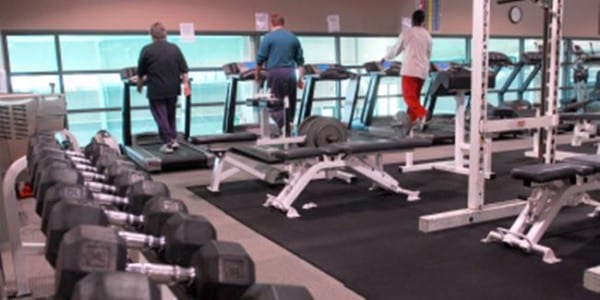
Image: PD

1. Regular exercise reported at baseline was associated with less pain in repeated measures over a subsequent 12 month period, though this association was attenuated when adjusting for baseline level of pain.

2. Exercise was associated with a significant reduction in concurrent pain, though this association did not persist at 3 months.

Evidence Rating Level: 3 (Fair)

Study Rundown: Pain complaints – both acute and chronic – account for a substantial and costly burden of disease in the US. Clinical studies suggest a potentially causal relationship between exercise and pain relief in patients with fibromyalgia and low back pain. However, cross-sectional studies to examine the relationship between pain and exercise have been limited by the confounders that vary among individuals (socioeconomic status, genetic makeup) and vary across time for a given individual (mood, injuries). This study reduced the influence of confounders through within-subject analyses, and demonstrated a relationship between exercise and concurrent, but not future, pain levels. It also revealed an association between baseline exercise levels and pain measures. However, the effect sizes of these associations were quite small and thus likely statistically, but not clinically, significant. The most important conclusion to be drawn from this study may be one regarding study design and interpretation; namely, the importance of considering baseline pain level in prospective studies and, more generally, of considering confounders when interpreting cross sectional studies of association.

Click to read the study in PLOS ONE

RELATED REPORTS

Replacing sedentary time with physical activity may lower risk of all-cause mortality

Ethosuximide may not be effective for the treatment of abdominal pain in irritable bowel syndrome

Ultrasound-guided stellate ganglion block reduces postoperative visceral pain following laparoscopic hysterectomy

Relevant Reading: Exercises for prevention of recurrences of low-back pain.

In-Depth [Longitudinal population-based study]: The aim of this study was to investigate the association between exercise and pain longitudinally. The study looked at a random subsample of 6419 participants in the HUNT 3 study, which consisted of 3 cross-sectional surveys distributed to all inhabitants of a given county in Norway. Questionnaires were mailed to the subsample and participants were asked to report their last week pain and exercise every 3 months over a 12 month period. Linear regression analysis was used to evaluate a) whether baseline level of regular exercise was associated with pain levels in the 12 months of follow-up and b) how exercise and pain were associated within individuals over time. Within-subjects associations were estimated to limit confounding; instead of comparing groups of individuals who exercise to those who do not, the study compared an individual at time A to him/herself at time B.

After adjusting for age, sex, education, and smoking, those reporting at least moderate exercise 1–3 times a week in HUNT 3 reported 1.12 points less pain on the SF-8 scale (95% CI 0.60-1.63), as compared to those not reporting regular exercise. This difference was significantly attenuated when additionally adjusted for baseline level of pain (0.42, 95% CI 0.23-0.82). Within subjects analyses demonstrated a significant relationship between exercise intensity and concurrently reported pain intensity; a change from no to moderate exercise as associated with a 1.75 improvement in pain on the SF-8 scale. However, no association was seen between exercise at one occasion and pain measured three months later.

By Elizabeth Kersten and Andrew Bishara

More from this author: Meta-analysis updates recommendations for C-sections, Early childhood growth improves adult health outcomes in developing countries. Shorter telomere length linked with increased risk of common cold, Breastfeeding associated with lower rates of hypertension, Health information technology improves obesity treatment access and screening, Undervaccination becoming more common, associated with increased admission rates, Silent MIs more common than previously assumed

© 2013 2minutemedicine.com. All rights reserved. No works may be reproduced without written consent from 2minutemedicine.com. Disclaimer: We present factual information directly from peer reviewed medical journals. No post should be construed as medical advice and is not intended as such by the authors or by 2minutemedicine.com. PLEASE SEE A HEALTHCARE PROVIDER IN YOUR AREA IF YOU SEEK MEDICAL ADVICE OF ANY SORT. Content is produced in accordance with fair use copyrights solely and strictly for the purpose of teaching, news and criticism. No benefit, monetary or otherwise, is realized by any participants or the owner of this domain. 
Tags: Clinical trialsconfoundersexercisefibromyalgialongitudinal population based studypain
Previous Post

Laparoscopic splenectomy yields better outcomes than open

Next Post

The EVAR II trial: Endovascular approach when unfit for open aortic aneurysm repair [Classics Series]

RelatedReports

Reduced gestational weight gain with lifestyle intervention
Cardiology

Replacing sedentary time with physical activity may lower risk of all-cause mortality

March 2, 2026
Unenhanced magnetic resonance imaging highly sensitive and specific for acute appendicitis
Chronic Disease

Ethosuximide may not be effective for the treatment of abdominal pain in irritable bowel syndrome

January 20, 2026
Social networks play key roles in parental vaccination decisions
Imaging and Intervention

Ultrasound-guided stellate ganglion block reduces postoperative visceral pain following laparoscopic hysterectomy

January 12, 2026
Lariat device for left atrial appendage exclusion associated with adverse events
Weekly Rewinds

2 Minute Medicine Rewind November 17, 2025

January 13, 2026
Next Post

The EVAR II trial: Endovascular approach when unfit for open aortic aneurysm repair [Classics Series]

Oral glucose tolerance test preferred for pre-diabetes screening in PCOS

Oral glucose tolerance test preferred for pre-diabetes screening in PCOS

Severe maternal childhood abuse associated with autism in offspring

Racial differences noted in Autism care

2 Minute Medicine® is an award winning, physician-run, expert medical media company. Our content is curated, written and edited by practicing health professionals who have clinical and scientific expertise in their field of reporting. Our editorial management team is comprised of highly-trained MD physicians. Join numerous brands, companies, and hospitals who trust our licensed content.

Recent Reports

  • A multidisciplinary home-based intervention may reduce risk of falls after stroke
  • Prednisone may have bone and cardiovascular benefits compared to hydrocortisone therapy in adrenal insufficiency
  • Lilly’s retatrutide achieves significant weight loss and A1C reduction in Phase 3 trial
License Content
Terms of Use | Disclaimer
Cookie Policy
Privacy Statement (EU)
Disclaimer

The Classics in Medicine Paperback Released!

Over the past 30 years, the transition from print to digital media has contributed to an exponential increase in medical literature. In response, 2 Minute Medicine presents 160+ authoritative, physician-written summaries of the most cited landmark trials in medicine.

amazon-logo_blackGet-it-on-iBooks-badge

Click anywhere to close this announcement

  • Specialties
    • All Specialties, All Recent Reports
    • Cardiology
    • Chronic Disease
    • Dermatology
    • Emergency
    • Endocrinology
    • Gastroenterology
    • Imaging and Intervention
    • Infectious Disease
    • Nephrology
    • Neurology
    • Obstetrics
    • Oncology
    • Ophthalmology
    • Pediatrics
    • Pharma
    • Preclinical
    • Psychiatry
    • Public Health
    • Pulmonology
    • Rheumatology
    • Surgery
  • Tools
    • EvidencePulse™
    • RVU Search
    • NPI Registry Lookup
  • Pharma
  • AI News
  • The Scan
  • Classics™
    • 2MM+ Online Access
    • Paperback and Ebook
  • Rewinds
  • Partners
    • License Content
    • Submit Press Release
    • Advertise with Us
  • Account
    • Subscribe
    • Sign-in
    • My account
No Result
View All Result

© 2026 2 Minute Medicine, Inc. - Physician-written medical news.