2 Minute Medicine Rewind November 17, 2025
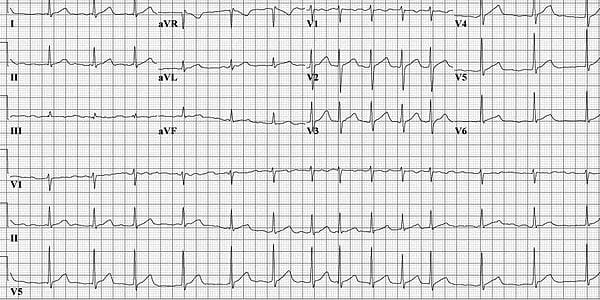
1. Vernakalant was superior to procainamide for rapid cardioversion of patients with acute atrial fibrillation, with a higher conversion rate and faster times to conversion.
Evidence Rating Level: 1 (Excellent)
Although procainamide is the most commonly used antiarrhythmic for acute atrial fibrillation in Canadian emergency departments, it has only moderate efficacy (50%), requires a slow infusion, and has a moderate rate of adverse events. The newer drug vernakalant may offer advantages such as a higher conversion rate, faster administration and onset, and fewer adverse events. This study thus compared the effectiveness and safety of intravenous vernakalant and intravenous procainamide for the management of acute atrial fibrillation in the emergency department. This randomised clinical trial included patients with acute atrial fibrillation from 12 tertiary care emergency departments in Canada. Patients were randomised 1:1 to either intravenous infusion (3 mg/kg over 10 minutes) of vernakalant or procainamide (15 mg/kg in 500 mL of normal saline given over 60 minutes (maximum dose 1500 mg)). Patients were offered electrical cardioversion when rapid conversion did not occur. The primary outcome was conversion to sinus rhythm within 30 minutes of completion of drug infusion. Among the 350 patients included in the study, 172 received procainamide (mean [SD] age = 62.4 [15.2] years, male [%] = 114 [66.3]) and 178 received vernakalant (mean [SD] age = 63.5 [15.0], male [%] = 108 [60.7]). Vernakalant was more effective than procainamide for the conversion to sinus rhythm within 30 minutes of infusion completion (62.4% vs 48.3%; adjusted absolute difference 15.0%, 95% confidence interval [CI] 4.6% to 25.0%; adjusted odds ratio [OR] 1.87, 95% CI 1.2 to 2.9). With vernakalant, time to conversion was faster than with procainamide (21.8 vs 44.7 minutes; mean difference −22.9, 95% CI −29.9 to −16.0), and fewer patients underwent attempted electrical cardioversion (33.7% vs 44.2%; OR 0.62, 95% CI 0.39 to 0.96). Adverse events were mild and brief, and similar in both groups. Overall, this study found vernakalant to be superior to procainamide for rapid cardioversion of patients with acute atrial fibrillation. These findings suggest vernakalant is a safe and effective intravenous alternative for the rapid cardioversion in this population. Future studies are needed to confirm these findings.
1. Four weeks of combination therapy with anti-inflammatory drug aceclofenac and vitamin B complex was superior to aceclofenac alone for pain control and functional improvement in patients with painful foot and ankle conditions.
Evidence Rating Level: 1 (Excellent)
Analgesic anti-inflammatory drugs are commonly used to treat foot disorders, but their long-term use can result in adverse health outcomes such as gastrointestinal bleeding, peptic ulcers, and increased cardiovascular risk. Vitamin B complex has been suggested to enhance the effects of anti-inflammatory analgesics and reduce their side effects. However, research on the role of vitamin B complex in pain related to foot disorders is limited. This study thus examined the efficacy of combining anti-inflammatory drugs with vitamin B complex in alleviating pain and improving foot function in patients with chronic foot disorders. This multi-center, randomised clinical trial included patients aged >19 years with foot disorders of Achilles tendinitis, foot or ankle arthritis, Civinini-Morton syndrome (Morton’s neuroma), or plantar fasciitis from four hospitals in Korea between October 2020 and December 2021. Patients were randomized 1:1 to receive either aceclofenac only at 100 mg twice daily (control group) or aceclofenac 100 mg plus vitamin B complex supplement twice daily (experimental group) for 4 weeks. The primary outcome was pain assessed using the 10-cm visual analog scale (VAS) (higher score indicates greater pain). In total, 156 patients were analyzed, of which 79 were in the experimental group (mean [SD] age = 55.53 [13.83] years, female [%] = 47 [59.4]) and 77 were in the control group (mean [SD] age = 56.97 [12.68] years, female [%] = 47 [61.0]). After 4 weeks, a greater reduction in VAS scores was found in the experimental group compared to the control group (−2.87 ± 1.86 vs. −0.91 ± 1.81, p < 0.001). The experimental group also had greater improvements in health-related quality of life (EuroQol 5 Dimension scores 0.079 ± 0.143 vs 0.008 ± 0.111, p = 0.001) and in function (Foot and Ankle Outcome Score 9.94 ± 14.38 vs 2.97 ± 11.79, p = 0.001). No serious adverse events were reported. Overall, this study found that the combination of the anti-inflammatory drug aceclofenac and vitamin B complex was superior to aceclofenac alone for pain control and functional improvement in patients with chronic foot disorders. These findings suggest that combination therapy is a promising strategy for alleviating pain and improving function in orthopaedic outpatient settings. Future studies should investigate the long-term benefits of this combination therapy.
Resistance Exercise Therapy After COVID-19 Infection: A Randomized Clinical Trial
1. Resistance exercise for three months improved physical function and psychological well-being among adults after COVID-19 infection.
Evidence Rating Level: 1 (Excellent)
Long COVID includes symptoms such as breathlessness and fatigue persisting for more than 3 months after COVID-19 infection and can impair physical function. Skeletal muscle mass and function decline from physical inactivity can be increased with resistance exercise. However, the relationship between resistance exercise and physical function in long COVID is unclear. This study thus examined the effect of a resistance exercise intervention on exercise capacity, health status, and safety among adults after COVID-19 infection. This multicenter, randomized clinical trial conducted between June 1, 2021, to April 26, 2026, in Scotland included adults with COVID-19 infection with persisting symptoms for at least 4 weeks. Participants were randomized 1:1 to either the intervention or control group. The intervention group included daily performance of personalized resistance exercises for 3 months, while the control group included treatment as usual according to the guidelines of the National Institute for Healthcare Excellence. The primary outcome was the distance achieved in the Incremental Shuttle Walk Test. In total, 233 adults (median age, 53.6 years [IQR, 43.8-60.8 years]); 146 women [62.7%]) were randomized, but 195 were included in the analysis. Of these, 95 were in the intervention group and 100 in the control group. The mean (SD) change in Incremental Shuttle Walk Test distance at 3 months compared with baseline was larger in the intervention group than the control group (83 [118] m vs 47 [95] m; adjusted mean difference, 36.5 m [95% CI, 6.6-66.3 m]). Compared with the control group at 3 months, the intervention group also showed greater improvements in in the health-related quality of life utility score (European Quality of Life 5-Dimension 5-Level Instrument) (0.06 [95% CI, 0.01-0.11]), in anxiety and depression (Patient Health Questionnaire) (0.5 [95% CI, 0.2-0.8]), and handgrip strength (2.6 kg [95% CI, 0.9-4.2 kg]). No serious adverse reactions were reported. Overall, this study found that a 3-month personalized resistance training intervention improved physical function and psychological well-being among adults after COVID-19 infection. These findings suggest that resistance training may be a promising therapy for individuals with persisting physical symptoms after COVID-19 infection. Future studies are needed to confirm these findings.
Self-Administered Hypnosis vs Sham Hypnosis for Hot Flashes: A Randomized Clinical Trial
1. Six weeks of self-administered hypnosis reduced hot flash scores and daily interference from hot flashes compared with sham hypnosis among postmenopausal women.
Evidence Rating Level: 1 (Excellent)
Menopausal hot flashes can lead to adverse health outcomes and decreased quality of life. While therapist-delivered hypnosis has been shown to reduce the frequency and severity of hot flashes, the efficacy of self-administered hypnosis for hot flashes remains unknown. This study thus evaluated the efficacy of a self-administered hypnotic intervention for hot flashes among postmenopausal women. This randomized clinical trial was conducted between March 4, 2019, to February 16, 2024, at two US universities and included postmenopausal women with a minimum of 4 daily hot flashes or 28 weekly hot flashes at baseline. Participants were randomized 1:1 to a 6-week daily self-administered hypnosis group or a self-administered sham hypnosis (white noise) group. The hypnosis group underwent daily 20-minute sessions of audio recordings that included suggestions for relaxation and cooling mental imagery. The primary outcome was the change in hot flash score from baseline to 6 weeks. The hot flash score (lower scores indicate less frequent and less severe hot flashes) was calculated based on information in the participants’ daily hot flash diary. Of the 250 women included in the study (mean [SD] age, 55.9 [6.9] years), 126 (50.4%) were in the self-administered hypnosis group and 124 (49.6%) in the sham hypnosis control group. At 6 weeks, participants in the hypnosis group experienced greater improvements in mean (SD) hot flash scores (baseline score, 88.7 [61.3] vs 6-week score, 41.3 [50.8]; 53.4% decrease) compared to those in the control group (baseline score, 94.6 [81.6] vs 6-week score, 55.9 [50.9]; 40.9% decrease; P = .04). The hypnosis group also had a greater reduction in daily interference (baseline mean [SD] Hot Flash Related Daily Interference Scale [HFRDIS] score, 49.3 [22.6] vs 6-week score, 25.0 [22.4]; 49.3% decrease) compared with the control group (baseline mean [SD] HFRDIS score, 47.3 [22.4] vs 6-week score, 29.6 [22.0]; 37.4% decrease), as well as more participants reporting perceived benefits (90.3% [93 of 103] vs 64.3% [63 of 98]). No intervention-related adverse events were reported. Overall, this study found that a 6-week self-administered clinical hypnosis reduced hot flash scores and daily interference from hot flashes compared with sham hypnosis. These results suggest that self-administered hypnosis for hot flashes is a safe and promising option for postmenopausal women experiencing hot flashes. Future studies should explore the long-term effects of hypnosis for hot flashes in this population.
1. A U-shaped relationship was found between body mass index and in-hospital mortality among critically ill cardiac surgery patients, with an optimistic risk threshold of 25kg/m2.
Evidence Rating Level: 2 (Good)
Cardiac surgery is associated with substantial perioperative mortality, with a greater risk among critically ill patients. Body mass index (BMI) is associated with chronic non-communicable diseases, including cardiovascular disease. However, there is a lack of research on the association between baseline BMI and in-hospital mortality following major cardiac surgery. This study thus examined the relationship between baseline BMI and in-hospital mortality among cardiac surgery patients admitted to intensive care units (ICU). This retrospective cohort study analyzed data from the eICU Collaborative Research Database, consisting of ICU records from 208 US hospitals from 2014-2015. Critically ill adult patients (≥ 18 years) who underwent cardiac surgery and were subsequently admitted to the ICU were included. The primary outcome was BMI within 24 hours of ICU admission. The primary outcome was 3-day mortality. Among the 8,032 patients included in the study (BMI: 29.6 ± 6.8 kg/m2), mortality occurred in 289 (3.6%). No relationship was found between BMI and mortality (OR = 0.99, 95% CI 0.97–1.01). The relationship between BMI and mortality was found to have a U-shaped pattern with inflection at 25.0 kg/m2. Each BMI unit increase below this threshold reduced mortality risk by 10% (OR = 0.90, 95% CI 0.83–0.96), while no association was observed above this point (OR = 1.01, 95% CI 0.98–1.03). Overall, this study found a U-shaped relationship between BMI and mortality among critically ill cardiac surgery patients, with an optimistic risk threshold of 25kg/m2. These findings may guide perioperative BMI management in this population. Future studies should confirm these results in other populations.
Image: PD
©2025 2 Minute Medicine, Inc. All rights reserved. No works may be reproduced without expressed written consent from 2 Minute Medicine, Inc. Inquire about licensing here. No article should be construed as medical advice and is not intended as such by the authors or by 2 Minute Medicine, Inc.