




• About
  • Masthead
  • License Content
  • Advertise
  • Submit Press Release
  • RSS/Email List
  • 2MM Podcast
  • Write for us
  • Contact Us
2 Minute Medicine
No Result
View All Result

No products in the cart.

SUBSCRIBE
  • Specialties
    • All Specialties, All Recent Reports
    • Cardiology
    • Chronic Disease
    • Dermatology
    • Emergency
    • Endocrinology
    • Gastroenterology
    • Imaging and Intervention
    • Infectious Disease
    • Nephrology
    • Neurology
    • Obstetrics
    • Oncology
    • Ophthalmology
    • Pediatrics
    • Pharma
    • Preclinical
    • Psychiatry
    • Public Health
    • Pulmonology
    • Rheumatology
    • Surgery
  • Tools
    • EvidencePulse™
    • RVU Search
    • NPI Registry Lookup
  • Pharma
  • AI News
  • The Scan+
  • Classics™+
    • 2MM+ Online Access
    • Paperback and Ebook
  • Rewinds
  • Partners
    • License Content
    • Submit Press Release
    • Advertise with Us
  • Account
    • Subscribe
    • Sign-in
    • My account
2 Minute Medicine
  • Specialties
    • All Specialties, All Recent Reports
    • Cardiology
    • Chronic Disease
    • Dermatology
    • Emergency
    • Endocrinology
    • Gastroenterology
    • Imaging and Intervention
    • Infectious Disease
    • Nephrology
    • Neurology
    • Obstetrics
    • Oncology
    • Ophthalmology
    • Pediatrics
    • Pharma
    • Preclinical
    • Psychiatry
    • Public Health
    • Pulmonology
    • Rheumatology
    • Surgery
  • Tools
    • EvidencePulse™
    • RVU Search
    • NPI Registry Lookup
  • Pharma
  • AI News
  • The Scan+
  • Classics™+
    • 2MM+ Online Access
    • Paperback and Ebook
  • Rewinds
  • Partners
    • License Content
    • Submit Press Release
    • Advertise with Us
  • Account
    • Subscribe
    • Sign-in
    • My account
SUBSCRIBE
2 Minute Medicine
Subscribe
Home All Specialties Imaging and Intervention

Gender differences in white matter integrity may affect post-traumatic brain injury

byDavid WangandAndrew Bishara
May 9, 2014
in Imaging and Intervention, Neurology, Surgery
Reading Time: 3 mins read
0
Share on FacebookShare on Twitter

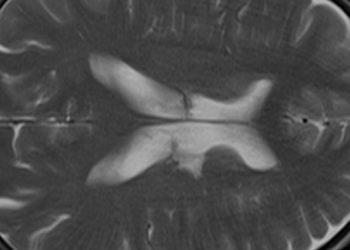
Image: PD

1. Male patients with mild traumatic brain injury demonstrated increased white matter abnormalities in the uncinate fasciculus compared to female-matched controls in brain MRI scans.

2. Uncinate fasciculus (UF) abnormalities detected by MRI was an independent risk factor for persistent post-concussion syndromes.

Evidence Rating Level: 3 (Fair)

Study Rundown: The effect of gender on outcomes in mild traumatic brain injury (mTBI) is currently unclear; previous controlled and observational studies have demonstrated conflicting results. The authors of this paper analyzed the changes in brain white matter integrity as an objective measure to analyze sex differences in mTBI outcomes. The MRI scans of male patients with mTBI demonstrated significantly decreased uncinate fasciculus (UF) white matter integrity compared to female patients with mTBI and male controls. Additionally, UF integrity was associated with increased time to concussion symptom resolution (TSR). Multi-variate analysis demonstrated that gender and UF integrity (2.38, p<0.001) and gender (OR: 2.27, p=0.04) are independently correlated with persistent post-concussion syndrome. The limitations of the study are the small sample size and the heterogeneous nature of the traumatic brain injuries and further investigation is warranted.

Click to read the study in Radiology

RELATED REPORTS

Computed tomography angiography of the head and neck may inform emergency management in patients with suspected stroke

Virtual reality rehabilitation is safe and feasible for upper extremity recovery after subacute ischemic stroke

Self-reported fine motor ability is associated with higher life satisfaction in cervical spinal cord injury

Relevant Reading: The Relationship Between Gender and Postconcussion Symptoms After Sport-Related Mild Traumatic Brain Injury

In-Depth [retrospective cohort]: This study analyzed MRI brain scans to determine gender differences in white matter integrity of patients with mTBI and its effect on clinical outcomes.  Using a retrospective design, the MRI of 69 mTBI patients (22 female, 47 male) were compared with 21 control patients (11 female, 10 male) and correlated with time to concussion symptom resolution (TSR). The uncinate fasciculus (UF) is a bidirectional white matter tract that has been previous associated with memory performance in both normal and mTBI subjects, which supports the potential use of this MRI biomarker in stratifying outcomes in mTBI. Brain MRI images with diffusion-tensor imaging were analyzed for fractional anisotropy (FA) values of white matter. There was a statistically significant decrease in FA in the UF in male patients with mTBI compared to female mTBI patients (p<0.05) and male/female controls (p<0.05). Multivariate analysis demonstrated significant correlation for male gender with increase time to symptom resolution (p<0.04) and a significant negative correlation of UF fractional anisotropy with TSR for both genders (r= -0.583, p<0.001).

More from this author: Pulse oximetry screening improved detection of congenital heart disease in China, Stool DNA testing may improve screening sensitivity of colorectal cancer,Radical prostatectomy may trump radiotherapy in non-metastatic prostate cancer, Screening mammography may not decrease overall mortality in women ages 40-59, First report of acute MERS-CoV infection associated with adverse pregnancy outcome

©2012-2014 2minutemedicine.com. All rights reserved. No works may be reproduced without expressed written consent from 2minutemedicine.com. Disclaimer: We present factual information directly from peer reviewed medical journals. No post should be construed as medical advice and is not intended as such by the authors, editors, staff or by 2minutemedicine.com. PLEASE SEE A HEALTHCARE PROVIDER IN YOUR AREA IF YOU SEEK MEDICAL ADVICE OF ANY SORT. 

Tags: ConcussiongendermTBIneurologyradiologySurgerytraumatic brain injuryuncinate fasciculuswhiter matter
Previous Post

Radiosurgery alone may be effective for some arteriovenous malformations

Next Post

Tumor size, chemoembolization response may predict hepatocellular carcinoma recurrence

RelatedReports

Quick Take: Functional Outcome of Intravenous Thrombolysis in Patients With Lacunar Infarcts in the WAKE-UP Trial
Emergency

Computed tomography angiography of the head and neck may inform emergency management in patients with suspected stroke

March 9, 2026
Non-alcoholic fatty liver disease and risk of incident acute myocardial infarction and stroke: findings from matched cohort study of 18 million European adults
Chronic Disease

Virtual reality rehabilitation is safe and feasible for upper extremity recovery after subacute ischemic stroke

February 25, 2026
Traumatic spinal cord injury rates remain stable in the United States
Chronic Disease

Self-reported fine motor ability is associated with higher life satisfaction in cervical spinal cord injury

February 24, 2026
Many new pediatric asthma cases attributable to obesity
Weekly Rewinds

2 Minute Medicine Rewind February 23, 2026

February 23, 2026
Next Post
Tumor size, chemoembolization response may predict hepatocellular carcinoma recurrence

Tumor size, chemoembolization response may predict hepatocellular carcinoma recurrence

Adolescents’ muscle strength associated with lower cardiometabolic risk

Exercise associated with decreased Cesarean risk

Hypercortisolemia in ICU patients is due to reduced cortisol metabolism, not increased production

Medical liability system presents hurdles to injured patients

2 Minute Medicine® is an award winning, physician-run, expert medical media company. Our content is curated, written and edited by practicing health professionals who have clinical and scientific expertise in their field of reporting. Our editorial management team is comprised of highly-trained MD physicians. Join numerous brands, companies, and hospitals who trust our licensed content.

Recent Reports

  • Shingles vaccine and sildenafil linked to lower Alzheimer’s risk
  • Glucagon-like peptide-1 receptor agonists are associated with reduced risk of developing substance use disorders
  • Oral infigratinib boosts growth velocity in achondroplasia study
License Content
Terms of Use | Disclaimer
Cookie Policy
Privacy Statement (EU)
Disclaimer

© 2025 2 Minute Medicine, Inc. - Physician-written medical news.

  • Specialties
    • All Specialties, All Recent Reports
    • Cardiology
    • Chronic Disease
    • Dermatology
    • Emergency
    • Endocrinology
    • Gastroenterology
    • Imaging and Intervention
    • Infectious Disease
    • Nephrology
    • Neurology
    • Obstetrics
    • Oncology
    • Ophthalmology
    • Pediatrics
    • Pharma
    • Preclinical
    • Psychiatry
    • Public Health
    • Pulmonology
    • Rheumatology
    • Surgery
  • Tools
    • EvidencePulse™
    • RVU Search
    • NPI Registry Lookup
  • Pharma
  • AI News
  • The Scan
  • Classics™
    • 2MM+ Online Access
    • Paperback and Ebook
  • Rewinds
  • Partners
    • License Content
    • Submit Press Release
    • Advertise with Us
  • Account
    • Subscribe
    • Sign-in
    • My account
No Result
View All Result

© 2025 2 Minute Medicine, Inc. - Physician-written medical news.