Hematologic inflammatory indices may predict prognosis in younger patients with COVID-19 but not older patients
1. Hematologic inflammatory indices in emergency department patients with COVID-19 showed an age-dependent prognostic performance for 30-day mortality, with systemic immune-inflammation index showing good discriminatory performance in patients <65 years and poorer performance in patients >65 years.
Evidence Rating Level: 2 (Good)
Hematologic markers derived from the complete blood count (CBC) including systemic immune-inflammation index (SII), systemic inflammatory response index (SIRI), and pan-immune-inflammation value (PIV) and have shown prognostic value in COVID-19 cohorts. While some hematologic markers have shown age-dependent predictive performance in hospitalized COVID-19 patients, it is unclear whether similar trends exist in the emergency department (ED) setting. This study thus examined the predictive accuracy of CBC-derived inflammatory indices for all-cause mortality and ICU admission across age groups in ED patients with COVID-19 during the pre-vaccination pandemic period. This retrospective cohort study included adults (>18 years) presenting to the ED with confirmed SARS-CoV-2 infection between March 1 and May 31, 2020. Patients were categorized into younger (<65 years) and elderly (≥65 years) groups. The primary outcome was 30-day mortality, and secondary outcome was ICU admission. The discriminative ability of SII, SIRI, and PIV (calculated at admission) for predicting ICU admission and mortality was evaluated. Among the 2,778 patients in the study (mean age 47.8 ± 16.2; 58.7% male), 2,269 (81.6%) were <65 years and 509 (18.3%) were >65 years. ICU admission occurred in 2.9% of all patients, and there was no significant difference between age groups (2.6% vs 4.1%, p = 0.108). The overall 30-day mortality rate was 6.2% (n = 171), with a higher rate among elderly patients (21.0%) than younger patients (2.8%) (p < 0.001). In patients <65 years, the area under the curve (AUC) for SII, SIRI, and PIV was modest at 0.727, 0.676, and 0.677, respectively. In patients ≥65 years, discrimination was lower, with AUCs for SII, SIRI, and PIV at 0.570, 0.604, and 0.588. The predictive ability of SII decreased as patient age increased (ΔAUC = 0.159; P = 0.0055), whereas similar trends for SIRI and PIV were not significant. All indices demonstrated high negative predictive values in younger patients (>95%). Overall, this study found that inflammatory indices in emergency department patients with COVID-19 showed an age-dependent prognostic performance for 30-day mortality, with SII showing good discriminatory performance in patients <65 years and poorer performance in patients >65 years. These findings highlight the potential for hematologic markers as cost-effective parameters to support rule-out decisions for younger adults in emergency settings but not for elderly patients.
Click here to read this study in PLOS One
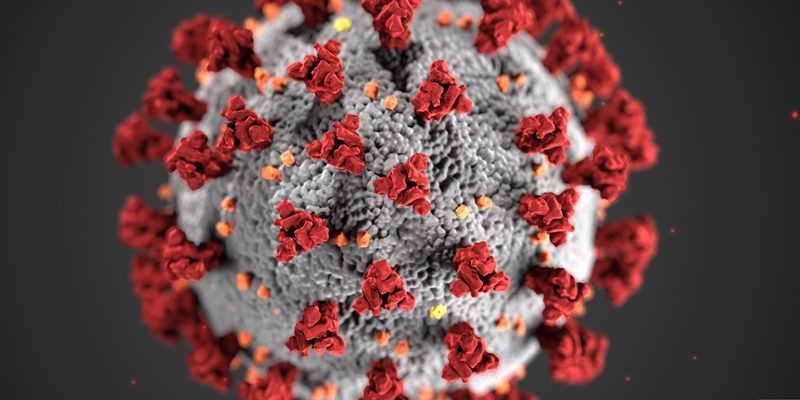
Image: PD
©2026 2 Minute Medicine, Inc. All rights reserved. No works may be reproduced without expressed written consent from 2 Minute Medicine, Inc. Inquire about licensing here. No article should be construed as medical advice and is not intended as such by the authors or by 2 Minute Medicine, Inc.