Higher sleep apnea-specific hypoxic burden may predict postoperative cardiovascular complications and mortality in obstructive sleep apnea
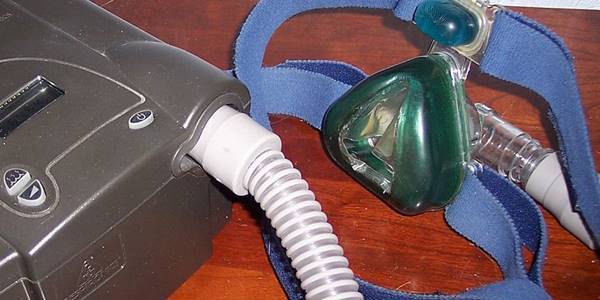
1. In this cohort of patients with Obstructive sleep apnea (OSA), a higher sleep apnea-specific hypoxic burden (SASHB) was associated with a significantly greater risk of 30-day postoperative cardiovascular events and mortality.
Evidence Rating Level: 2 (Good)
Obstructive sleep apnea (OSA) is common and increases vulnerability to postoperative complications as a result of the relaxation effect of anesthesia and sedatives. Traditional measures such as the apnea-hypopnea index (AHI) do not adequately capture the physiological stress of OSA or predict future cardiovascular risk. The sleep apnea-specific hypoxic burden (SASHB) is a newer metric that quantifies how often breathing events occur and how deep and long the oxygen drops are. This study evaluated whether SASHB measured before surgery can identify OSA patients at higher risk of death or cardiovascular events within 30 days of major noncardiothoracic surgery. Of the 7,717 patients included in the study, 2,286 had confirmed OSA (AHI ≥ 5 events/hour) and underwent major noncardiothoracic surgery after diagnosis. The primary composite outcome, which included stroke, atrial fibrillation, heart failure, myocardial infarction, venous thromboembolism, and all-cause mortality, occurred in 80 patients (3.5%) within 30 days of surgery. Patients with higher SASHB had a significantly greater risk, with event rates rising from 1.6% (12 events) in the low-SASHB group to 5.8% (44 events) in those with high SASHB at diagnosis. The patients with higher SASHB values at diagnosis also had greater odds of experiencing the primary outcomes (adjusted odds ratio [AOR], 1.76; 95% CI, 0.86-3.59 for SASHB 32 to <80% min/h and 2.79; 95% CI, 1.42-5.49 for SASHB ≥ 80% min/h). This study found that SASHB is a strong and clinically meaningful predictor of postoperative cardiovascular complications and mortality in patients with OSA.
Click here to read this study in JAMA Network Open
Image: PD
©2026 2 Minute Medicine, Inc. All rights reserved. No works may be reproduced without expressed written consent from 2 Minute Medicine, Inc. Inquire about licensing here. No article should be construed as medical advice and is not intended as such by the authors or by 2 Minute Medicine, Inc.