

• About
  • Masthead
  • License Content
  • Advertise
  • Submit Press Release
  • RSS/Email List
  • 2MM Podcast
  • Write for us
  • Contact Us
2 Minute Medicine
No Result
View All Result

No products in the cart.

SUBSCRIBE
  • Specialties
    • All Specialties, All Recent Reports
    • Cardiology
    • Chronic Disease
    • Dermatology
    • Emergency
    • Endocrinology
    • Gastroenterology
    • Imaging and Intervention
    • Infectious Disease
    • Nephrology
    • Neurology
    • Obstetrics
    • Oncology
    • Ophthalmology
    • Pediatrics
    • Pharma
    • Preclinical
    • Psychiatry
    • Public Health
    • Pulmonology
    • Rheumatology
    • Surgery
  • Tools
    • EvidencePulse™
    • RVU Search
    • NPI Registry Lookup
  • Pharma
  • AI News
  • The Scan+
  • Classics™+
    • 2MM+ Online Access
    • Paperback and Ebook
  • Rewinds
  • Partners
    • License Content
    • Submit Press Release
    • Advertise with Us
  • Account
    • Subscribe
    • Sign-in
    • My account
2 Minute Medicine
  • Specialties
    • All Specialties, All Recent Reports
    • Cardiology
    • Chronic Disease
    • Dermatology
    • Emergency
    • Endocrinology
    • Gastroenterology
    • Imaging and Intervention
    • Infectious Disease
    • Nephrology
    • Neurology
    • Obstetrics
    • Oncology
    • Ophthalmology
    • Pediatrics
    • Pharma
    • Preclinical
    • Psychiatry
    • Public Health
    • Pulmonology
    • Rheumatology
    • Surgery
  • Tools
    • EvidencePulse™
    • RVU Search
    • NPI Registry Lookup
  • Pharma
  • AI News
  • The Scan+
  • Classics™+
    • 2MM+ Online Access
    • Paperback and Ebook
  • Rewinds
  • Partners
    • License Content
    • Submit Press Release
    • Advertise with Us
  • Account
    • Subscribe
    • Sign-in
    • My account
SUBSCRIBE
2 Minute Medicine
Subscribe
Home All Specialties Chronic Disease

Hybrid closed-loop therapy improves glycemic control for children with Type 1 Diabetes
byDavid XiangandHarsh Shah
January 31, 2022
in Chronic Disease, Endocrinology, Pediatrics
Reading Time: 2 mins read
0
Share on FacebookShare on Twitter

1. In very young children with type 1 diabetes, a hybrid closed-loop therapy provided significantly improved glycemic children.

2. The hybrid closed-loop therapy did not significantly increase the time spent in hypoglycemia in very young children with type 1 diabetes.

Evidence Rating Level: 1 (Excellent)

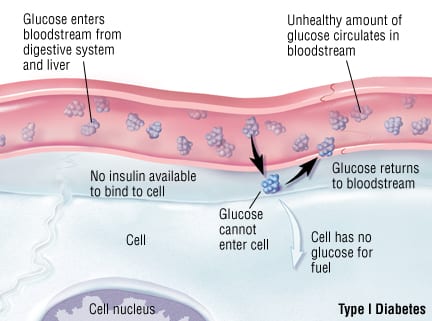
Study Rundown: In very young children, managing Type 1 Diabetes is difficult due to the high variability of insulin requirements and challenges in maintaining recommended glycemic control without constant caregiver monitoring. Hybrid closed-loop systems (also known as an artificial pancreas) offer an algorithm that automatically adjusts insulin delivery based on real-time sensory glucose levels and improves glycemic control in older children and adolescents, but there is a gap in knowledge as to understanding its effectiveness in improving glycemic control for very young children. This study found that the hybrid closed-loop system significantly improved glycemic control, as compared to sensor-augmented pump therapy, in children aged 1 to 7 with type 1 diabetes. This study was limited by the characterization of research participants as those who participate in closed-loop studies tend to be highly motivated, which limits generalizability. Nevertheless, these study’s findings are significant, as they demonstrate that hybrid closed-loop insulin therapy provides significant improvements in glycemic control in very young children with type 1 diabetes.

Click to read the study in NEJM

Relevant Reading: Reducing Caretaker Burden, Protecting Young Brains and Bodies

RELATED REPORTS

Biweekly glucagon-like peptide-1 receptor agonist bofanglutide improves glycemic control

Telehealth yields modest improvements in diabetes outcomes 

Finerenone improves albuminuria in adults with type 1 diabetes and chronic kidney disease

In-Depth [randomized control trial]: This randomized control trial included 74 participants at seven centers across Austria, Germany, Luxembourg, and the United Kingdom. Patients aged 1 to 7, with the diagnosis of type 1 diabetes at least 6 months before enrollment, and glycated hemoglobin level of no more than 11% were eligible. Patients who were currently using closed-loop therapy or those with concomitant disease affecting metabolic control were excluded from the study. Patients received two 16-week treatment periods in random order, in which the hybrid closed-loop system was compared with the sensor-augmented pump therapy (control treatment). The primary outcome measured was the between-treatment difference in the percentage of time spent in the target glucose range during each 16-week period. Outcomes in the primary analysis were assessed on an intention-to-treat basis and compared with a repeated-measures linear mixed model. Between the two treatment groups, the percentage of time with glucose level in the target range was 8.7% higher when patients were using the hybrid closed-loop system as opposed to the control (95% confidence interval [CI], 7.4 to 9.9). The mean adjusted difference (closed-loop minus control) in the percentage of time spent in a hyperglycemic state was -8.5% (95% CI, -9.9 to -7.1). The time spent in a hypoglycemia state did not differ significantly between the two treatment groups (p-value = 0.74). Overall, this study demonstrated that closed-loop insulin delivery provided significant improvement in glycemic control in very young children with type 1 diabetes over a treatment period of 16 weeks.

Image: PD

©2022 2 Minute Medicine, Inc. All rights reserved. No works may be reproduced without expressed written consent from 2 Minute Medicine, Inc. Inquire about licensing here. No article should be construed as medical advice and is not intended as such by the authors or by 2 Minute Medicine, Inc.

Tags: artificial pancreaschildrenglycemic controlHybrid closed-loop therapyhyperglycemic statehypoglycemic statetype 1 diabetes
Previous Post

Physical activity has a weight-independent effect on mortality

Next Post

BRCA1/2 pathogenic variants are associated with an increased risk of male breast, pancreatic, and stomach cancer.

RelatedReports

Endocrinology

Biweekly glucagon-like peptide-1 receptor agonist bofanglutide improves glycemic control

June 29, 2026
Chronic Disease

Telehealth yields modest improvements in diabetes outcomes 

June 22, 2026
Pediatric DKA associated with recent acute care visits
Chronic Disease

Finerenone improves albuminuria in adults with type 1 diabetes and chronic kidney disease

March 25, 2026
Quick Take: Association of Prenatal Exposure to Air Pollution with Autism Spectrum Disorder
Chronic Disease

Use of memantine may improve social functioning in youths with autism spectrum disorder

January 13, 2026
Next Post
Maternal cell-free DNA sequencing superior to standard aneuploidy screening [CARE Study]

BRCA1/2 pathogenic variants are associated with an increased risk of male breast, pancreatic, and stomach cancer.

Recurrence of endometrial hyperplasia following medical therapy is common

Lenvatinib plus pembrolizumab increased survival for advanced endometrial cancer patients when compared to chemotherapy

Quick Take: Left ventricular mechanical dispersion predicts arrhythmic risk in mitral valve prolapse

Tricuspid repair in patients with mitral regurgitation offers clinical benefits

2 Minute Medicine® is an award winning, physician-run, expert medical media company. Our content is curated, written and edited by practicing health professionals who have clinical and scientific expertise in their field of reporting. Our editorial management team is comprised of highly-trained MD physicians. Join numerous brands, companies, and hospitals who trust our licensed content.

Recent Reports

  • The physician strike in South Korea was associated with higher mortality
  • 2 Minute Medicine Rewind July 6, 2026
  • Behavioral support does not improve patient-directed opioid tapering success
License Content
Terms of Use | Disclaimer
Cookie Policy
Privacy Statement (EU)
Disclaimer
  • Specialties
    • All Specialties, All Recent Reports
    • Cardiology
    • Chronic Disease
    • Dermatology
    • Emergency
    • Endocrinology
    • Gastroenterology
    • Imaging and Intervention
    • Infectious Disease
    • Nephrology
    • Neurology
    • Obstetrics
    • Oncology
    • Ophthalmology
    • Pediatrics
    • Pharma
    • Preclinical
    • Psychiatry
    • Public Health
    • Pulmonology
    • Rheumatology
    • Surgery
  • Tools
    • EvidencePulse™
    • RVU Search
    • NPI Registry Lookup
  • Pharma
  • AI News
  • The Scan
  • Classics™
    • 2MM+ Online Access
    • Paperback and Ebook
  • Rewinds
  • Partners
    • License Content
    • Submit Press Release
    • Advertise with Us
  • Account
    • Subscribe
    • Sign-in
    • My account
No Result
View All Result

© 2026 2 Minute Medicine, Inc. - Physician-written medical news.