• About
  • Masthead
  • License Content
  • Advertise
  • Submit Press Release
  • RSS/Email List
  • 2MM Podcast
  • Write for us
  • Contact Us
2 Minute Medicine
No Result
View All Result

No products in the cart.

SUBSCRIBE
  • Specialties
    • All Specialties, All Recent Reports
    • Cardiology
    • Chronic Disease
    • Dermatology
    • Emergency
    • Endocrinology
    • Gastroenterology
    • Imaging and Intervention
    • Infectious Disease
    • Nephrology
    • Neurology
    • Obstetrics
    • Oncology
    • Ophthalmology
    • Pediatrics
    • Pharma
    • Preclinical
    • Psychiatry
    • Public Health
    • Pulmonology
    • Rheumatology
    • Surgery
  • Tools
    • EvidencePulse™
    • RVU Search
    • NPI Registry Lookup
  • Pharma
  • AI News
  • The Scan+
  • Classics™+
    • 2MM+ Online Access
    • Paperback and Ebook
  • Rewinds
  • Partners
    • License Content
    • Submit Press Release
    • Advertise with Us
  • Account
    • Subscribe
    • Sign-in
    • My account
2 Minute Medicine
  • Specialties
    • All Specialties, All Recent Reports
    • Cardiology
    • Chronic Disease
    • Dermatology
    • Emergency
    • Endocrinology
    • Gastroenterology
    • Imaging and Intervention
    • Infectious Disease
    • Nephrology
    • Neurology
    • Obstetrics
    • Oncology
    • Ophthalmology
    • Pediatrics
    • Pharma
    • Preclinical
    • Psychiatry
    • Public Health
    • Pulmonology
    • Rheumatology
    • Surgery
  • Tools
    • EvidencePulse™
    • RVU Search
    • NPI Registry Lookup
  • Pharma
  • AI News
  • The Scan+
  • Classics™+
    • 2MM+ Online Access
    • Paperback and Ebook
  • Rewinds
  • Partners
    • License Content
    • Submit Press Release
    • Advertise with Us
  • Account
    • Subscribe
    • Sign-in
    • My account
SUBSCRIBE
2 Minute Medicine
Subscribe
Home All Specialties Infectious Disease

Influenza is associated with an increased odds of Parkinson Disease diagnosis after 10 years
byMeagan WiedermanandMichael Pratte
October 26, 2021
in Infectious Disease, Neurology, Public Health
Reading Time: 3 mins read
0
Share on FacebookShare on Twitter

1. Inpatient or outpatient clinic diagnosed influenza infection was associated with an increased odds ratio of diagnosis with Parkinson Disease 10 years later compared to control.

2. The association between influenza and Parkinson Disease diagnosis was stronger >15 years post-infection compared to 10-15 years post-infection.

Evidence Rating Level: 3 (Average)

Study Rundown: The etiology of Parkinson Disease (PD) is poorly understood, with some contributing factors such as genetics and lifestyle/exposures thought to play a role. There is some evidence of an association between infection and PD. This prospective case-control study investigated whether influenza infection was associated with an increased risk of PD at 10-years post-infection. Additionally, this study looked at whether PD risk was associated with other infections. A case group created from new incidental PD diagnosis from the Danish National Patient Registry (DNPR) was compared to a control cohort on their rates of influenza and other infection during the year and during only peak influenza activity. The 10,271 PD patients were comparable to the 51,355 control patients on most diseases (cardiovascular disease, diabetes, Crohn disease, ulcerative colitis, and lung cancer), except the PD patients had a higher rate of COPD or emphysema. Influenza infection was associated with an increased odds of diagnosis with PD, with a stronger association from more remote infections. This association remained in sensitivity analysis, which only considered influenza infection during the peak season. Patients with a non-influenza infection were also mildly associated with PD diagnosis, but unlike influenza, the more recent infections were more strongly associated with PD. One strength of the study is that it analyzed all residents of Denmark through its publicly funded data registries. Additionally, the code-based data registration in these registries is likely to have been consistent for decades, decreasing variability. A limitation of the study is that influenza infections are not laboratory-confirmed in the DNPR, potentially leading to exposure misclassification bias. This was addressed using a sensitivity analysis, which only considered peak flu season influenza infections that are less likely affected by this misclassification. H pylori or hepatitis C had a low incidence and so have an insufficient sample size for powering analysis. When investigating “other infections”, the study was necessarily limited to only severe, medically attended infections; influenza/other infections that do not present to hospital or clinic would be overlooked. For the same reason, this study may not be generalizable to less severe infections. Finally, the important confounder of smoking was not considered in this study as none of the registries recorded smoking history and so proxies like COPD, emphysema, and lung cancer were instead used. Additionally, PD family history could not be removed as a confounder.

Click to read the study in JAMA Neurology

Relevant Reading: A case of probable Parkinson’s disease after SARS-CoV-2 infection

RELATED REPORTS

Machine learning models effectively screened for Parkinson’s disease using smile videos

Drug-related pressure ulcers may be characterised by medication-related characteristics such as polypharmacy and medication changes rather than baseline immobility

Human papillomavirus infection is associated with increased risk of developing Parkinson’s disease in men

In-Depth [case-control study]: Population-based data from the DNPR was collected on the incidence of new incidental PD diagnosis in adults aged at least 35 years old with no indication the event was drug-induced. A five-fold larger control cohort of age and sex-matched individuals without a diagnosis of PD or secondary parkinsonism was created using the Danish Civil Registration System. Patients with “infection” included any with an inpatient admission or outpatient clinic contact that lead to any diagnosis of infection. A secondary sensitivity analysis only considered influenza infection during peak “flu season”, when there was 3-fold more influenza diagnoses than average (more than 96 per month) by the DNPR. Of the 10,271 eligible PD diagnosis, 38.7% were female, 86.3% were older than 60 years when diagnosed, and the average age was 71.4±10.6 years old. Fewer PD patients compared to the 51,355 controls had COPD or emphysema (6.5% vs 7.7%). Influenza infection >10 years prior to PD diagnosis was associated with increase odds of PD diagnosis (1.73, 95% CI = 1.11-2.71), including in influenza infection that only occurred during peak season (OR = 1.52, 95% CI = 0.80-2.89). The longer between influenza infection and PD diagnosis, the greater the odds of PD diagnosis (10-15 years: OR = 1.33, 95% CI = 0.54-3.27; >15 years: OR = 1.91, 95% CI = 1.14-3.19). 31.4% of the PD patients and 30.1% of the controls had some infection. Having any given infection was mildly associated with a diagnosis of PD (OR = 1.09, 95% CI = 1.04-1.14). Unlike with influenza, more recent infections with pneumonia, gastrointestinal infection, miscellaneous bacterial infections, septicemia, or male genital infections were more associated with PD diagnosis (<5 years: OR = 1.27, 95% CI = 1.18-1.36) compared to more remote infections that were not associated with PD diagnosis (>10 years: OR = 1.04, 95% CI = 0.98-1.10). Urinary tract infections were associated with an increased odds of PD diagnosis more so at >10 years (OR = 1.19, 95% CI = 1.01-1.40).

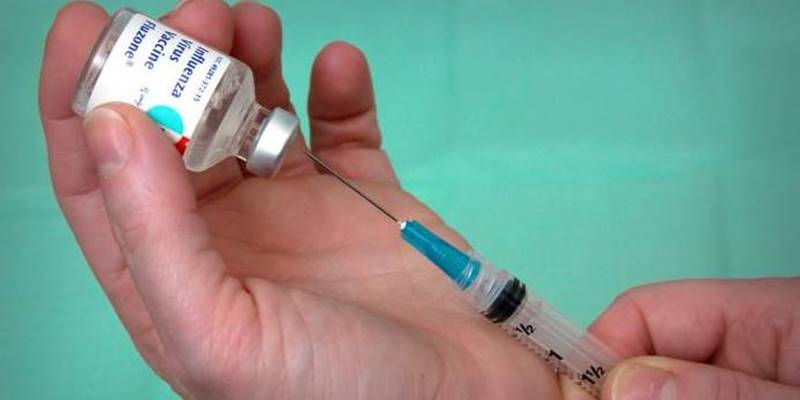
Image: PD

©2021 2 Minute Medicine, Inc. All rights reserved. No works may be reproduced without expressed written consent from 2 Minute Medicine, Inc. Inquire about licensing here. No article should be construed as medical advice and is not intended as such by the authors or by 2 Minute Medicine, Inc.


Tags: Flu (Influenza)influenzaParkinson DiseaseParkinson’sParkinson’s Disease
Previous Post

#VisualAbstract: Implant-based breast reconstruction with acellular dermal matrix does not reduce reoperation rates

Next Post

BNT162b2 COVID-19 vaccine may reduce hospitalizations from SARS-CoV-2 delta variant for up to six months

RelatedReports

2 Minute Medicine

Machine learning models effectively screened for Parkinson’s disease using smile videos

December 29, 2025
Pediatric chronic pain patients typically Caucasian, female adolescents.
Chronic Disease

Drug-related pressure ulcers may be characterised by medication-related characteristics such as polypharmacy and medication changes rather than baseline immobility

January 13, 2026
2 Minute Medicine Rewind August 19, 2019
Chronic Disease

Human papillomavirus infection is associated with increased risk of developing Parkinson’s disease in men

January 13, 2026
Weekly Rewinds

2 Minute Medicine Rewind November 10th, 2025

November 10, 2025
Next Post
Medical vaccine exemptions increase after elimination of nonmedical exemptions

BNT162b2 COVID-19 vaccine may reduce hospitalizations from SARS-CoV-2 delta variant for up to six months

Decreased expression of nasal ACE2 may be correlated with lower prevalence of COVID-19 in children

Daily 12 mg dexamethasone not superior to 6 mg for severe COVID-19 infection

Rivaroxaban likely reduces risk of recurrent stroke in specific subgroup of patients with embolic stroke of undetermined source

Association of cardiac and non-cardiac comorbidities with adverse outcomes of atrial fibrillation

2 Minute Medicine® is an award winning, physician-run, expert medical media company. Our content is curated, written and edited by practicing health professionals who have clinical and scientific expertise in their field of reporting. Our editorial management team is comprised of highly-trained MD physicians. Join numerous brands, companies, and hospitals who trust our licensed content.

Recent Reports

  • Pfizer’s Talzenna combo significantly delays prostate cancer progression
  • Bottom-vented bottles may not reduce gastrointestinal discomfort in infants
  • Ketorolac administration after cesarean delivery may reduce postoperative opioid use
License Content
Terms of Use | Disclaimer
Cookie Policy
Privacy Statement (EU)
Disclaimer

© 2025 2 Minute Medicine, Inc. - Physician-written medical news.

  • Specialties
    • All Specialties, All Recent Reports
    • Cardiology
    • Chronic Disease
    • Dermatology
    • Emergency
    • Endocrinology
    • Gastroenterology
    • Imaging and Intervention
    • Infectious Disease
    • Nephrology
    • Neurology
    • Obstetrics
    • Oncology
    • Ophthalmology
    • Pediatrics
    • Pharma
    • Preclinical
    • Psychiatry
    • Public Health
    • Pulmonology
    • Rheumatology
    • Surgery
  • Tools
    • EvidencePulse™
    • RVU Search
    • NPI Registry Lookup
  • Pharma
  • AI News
  • The Scan
  • Classics™
    • 2MM+ Online Access
    • Paperback and Ebook
  • Rewinds
  • Partners
    • License Content
    • Submit Press Release
    • Advertise with Us
  • Account
    • Subscribe
    • Sign-in
    • My account
No Result
View All Result

© 2025 2 Minute Medicine, Inc. - Physician-written medical news.