• About
  • Masthead
  • License Content
  • Advertise
  • Submit Press Release
  • RSS/Email List
  • 2MM Podcast
  • Write for us
  • Contact Us
2 Minute Medicine
No Result
View All Result

No products in the cart.

SUBSCRIBE
  • Specialties
    • All Specialties, All Recent Reports
    • Cardiology
    • Chronic Disease
    • Dermatology
    • Emergency
    • Endocrinology
    • Gastroenterology
    • Imaging and Intervention
    • Infectious Disease
    • Nephrology
    • Neurology
    • Obstetrics
    • Oncology
    • Ophthalmology
    • Pediatrics
    • Pharma
    • Preclinical
    • Psychiatry
    • Public Health
    • Pulmonology
    • Rheumatology
    • Surgery
  • Tools
    • EvidencePulse™
    • HypeCheck™
    • NPI Registry Lookup
    • RVU Search
  • Pharma
  • AI News
  • The Scan+
  • Classics™+
    • 2MM+ Online Access
    • Paperback and Ebook
  • Rewinds
  • Partners
    • License Content
    • Submit Press Release
    • Advertise with Us
  • Account
    • Subscribe
    • Cart
    • Sign-in
    • My account
2 Minute Medicine
  • Specialties
    • All Specialties, All Recent Reports
    • Cardiology
    • Chronic Disease
    • Dermatology
    • Emergency
    • Endocrinology
    • Gastroenterology
    • Imaging and Intervention
    • Infectious Disease
    • Nephrology
    • Neurology
    • Obstetrics
    • Oncology
    • Ophthalmology
    • Pediatrics
    • Pharma
    • Preclinical
    • Psychiatry
    • Public Health
    • Pulmonology
    • Rheumatology
    • Surgery
  • Tools
    • EvidencePulse™
    • HypeCheck™
    • NPI Registry Lookup
    • RVU Search
  • Pharma
  • AI News
  • The Scan+
  • Classics™+
    • 2MM+ Online Access
    • Paperback and Ebook
  • Rewinds
  • Partners
    • License Content
    • Submit Press Release
    • Advertise with Us
  • Account
    • Subscribe
    • Cart
    • Sign-in
    • My account
SUBSCRIBE
2 Minute Medicine
Subscribe
Home All Specialties Chronic Disease

Nurse-administered interventions in the community may not reduce the rate of first fall injury
byHarsh ShahandDeepti Shroff
July 9, 2020
in Chronic Disease, Public Health
Reading Time: 3 mins read
0
Share on FacebookShare on Twitter

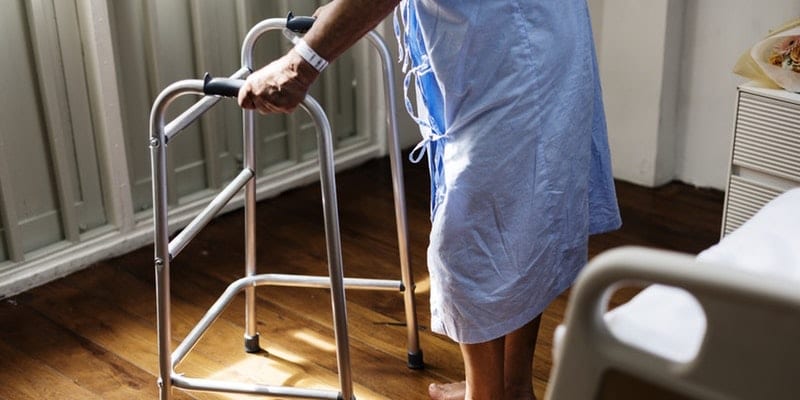
1. When compared to the traditional care approach in older adults, nurse-administered interventions in community dwelling adults were not shown not to significantly lower the rate of a first serious fall injury.

2. The rates of serious adverse events were shown to be similar in the nurse-administered interventions and usual care approach groups.

Evidence Rating Level: 1 (Excellent)

Study Rundown: Falls are the leading cause of injury-related deaths among older adults in the United States. Although evidence from efficacy trials indicate that falls in older adults can be prevented, numerous barriers at the level of health care systems, providers and patients result in sub-optimal implementation of prevention strategies. As such, this study examined the clinical effectiveness of a patient-centered intervention implemented by trained nurses in the primary care setting compared to the current standard of care for fall prevention. The study determined that nurse-administered interventions did not result in a significantly lower risk of first serious fall injury compared to the usual care approach. This randomized trial was limited by the study design based around patient interviews. Because the interview did not occur on a monthly basis, monthly fall ascertainment from patients was unattainable. Nonetheless, this study was strengthened by the presence of large, equally matched groups.

Click to read the study, published today in NEJM

Relevant Reading: Interventions to prevent falls in older adults: up- dated evidence report and systematic review for the US Preventive Services Task Force

RELATED REPORTS

Housing insecurity is associated with increased risk of geriatric conditions and mortality

2 Minute Medicine Rewind May 4, 2026

A multidisciplinary home-based intervention may reduce risk of falls after stroke

In-Depth [randomized controlled trial]: This randomized control trial enrolled 5451 participants across 86 sites in the United States. Included participants were 70 years of age or older, had an increased risk for fall injuries and were community-dwelling individuals. Fall risk was assessed based on the participant’s fall-related injury in the previous year or the participant’s fear of falling due to problems in balance or walking. The exclusion criteria for the study included participants who were unable to provide consent or did not speak either English or Spanish. The patients were randomized in a 1:1 ratio for the nurse administered intervention and usual care approach groups, respectively. The primary outcome of the study was first serious fall resulting in a fracture, joint dislocation, or hospitalization. Information for the fall injuries were recorded every four months through phone interviews by personnel who were unaware of the participant’s treatment group assignment. The rate of a first serious fall injury did not significantly differ between the nurse-administered intervention (4.9 events per 100 person-years) and the usual care approach (5.3 events per 100 person-years, hazard ratio, 0.92; 95% confidence interval [CI], 0.80 to 1.06; P=0.25). Furthermore, the most common type of serious fall injury was bone fractures and related injuries leading to hospitalization. Finally, the rate of hospitalization in the nurse-administered group was 32.8 hospitalizations per 100 person-years and 33.3 per 100 person-years in the usual care approach group. The rate of death related to serious adverse events was 3.3 deaths per 100 person-years in both groups. Taken together, the participants in the nurse-administration intervention did not have a significantly lower rate of a first serious fall injury compared to the usual care approach.

Image: PD

©2020 2 Minute Medicine, Inc. All rights reserved. No works may be reproduced without expressed written consent from 2 Minute Medicine, Inc. Inquire about licensing here. No article should be construed as medical advice and is not intended as such by the authors or by 2 Minute Medicine, Inc.
Tags: fallsgeriatrics
Previous Post

Autopsy rates significantly higher among Black persons in the US

Next Post

Nemolizumab effective in reducing pruritis in atopic dermatitis

RelatedReports

Chronic Disease

Housing insecurity is associated with increased risk of geriatric conditions and mortality

May 7, 2026
Systematic review examines benefits and adverse effects of cannabinoid therapy
Weekly Rewinds

2 Minute Medicine Rewind May 4, 2026

May 4, 2026
Intensive rehabilitation not superior to traditional therapy for arm function after stroke
Chronic Disease

A multidisciplinary home-based intervention may reduce risk of falls after stroke

April 3, 2026
Intensive rehabilitation not superior to traditional therapy for arm function after stroke
Weekly Rewinds

2 Minute Medicine Rewind March 30, 2026

March 30, 2026
Next Post
Eczema more prevalent among older adults than previously thought

Nemolizumab effective in reducing pruritis in atopic dermatitis

Early life cognitive enrichment associated with decreased Alzheimer’s pathology and cognitive decline

Early life cognitive enrichment associated with decreased Alzheimer's pathology and cognitive decline

Quick Take: Amyotrophic Lateral Sclerosis versus Multifocal Motor Neuropathy: Utility of MR Neurography

2 Minute Medicine Rewind July 13, 2020

2 Minute Medicine® is an award winning, physician-run, expert medical media company. Our content is curated, written and edited by practicing health professionals who have clinical and scientific expertise in their field of reporting. Our editorial management team is comprised of highly-trained MD physicians. Join numerous brands, companies, and hospitals who trust our licensed content.

Recent Reports

  • Lower levels of education and place of birth were associated with non-admission to the intensive care unit in Sweden during COVID-19 pandemic
  • The Scan by 2 Minute Medicine®: Viral menopause cocktail spreads without clinical evidence, maxxing trends raise body dysmorphia concerns, Bundibugyo Ebola outbreak surpasses 5,000 cases, and coffee intake is linked to lower visceral fat
  • The Scan by 2 Minute Medicine®: Viral menopause cocktail lacks evidence, maxxing trends raise dysmorphia concerns, Ebola cases surpass 5,000, and coffee is linked to lower visceral fat
License Content
Terms of Use | Disclaimer
Cookie Policy
Privacy Statement (EU)
Disclaimer
Cleantalk Pixel
  • Specialties
    • All Specialties, All Recent Reports
    • Cardiology
    • Chronic Disease
    • Dermatology
    • Emergency
    • Endocrinology
    • Gastroenterology
    • Imaging and Intervention
    • Infectious Disease
    • Nephrology
    • Neurology
    • Obstetrics
    • Oncology
    • Ophthalmology
    • Pediatrics
    • Pharma
    • Preclinical
    • Psychiatry
    • Public Health
    • Pulmonology
    • Rheumatology
    • Surgery
  • Tools
    • EvidencePulse™
    • HypeCheck™
    • NPI Registry Lookup
    • RVU Search
  • Pharma
  • AI News
  • The Scan
  • Classics™
    • 2MM+ Online Access
    • Paperback and Ebook
  • Rewinds
  • Partners
    • License Content
    • Submit Press Release
    • Advertise with Us
  • Account
    • Subscribe
    • Cart
    • Sign-in
    • My account
No Result
View All Result

© 2026 2 Minute Medicine, Inc. - Physician-written medical news.