• About
  • Masthead
  • License Content
  • Advertise
  • Submit Press Release
  • RSS/Email List
  • 2MM Podcast
  • Write for us
  • Contact Us
2 Minute Medicine
No Result
View All Result

No products in the cart.

SUBSCRIBE
  • Specialties
    • All Specialties, All Recent Reports
    • Cardiology
    • Chronic Disease
    • Dermatology
    • Emergency
    • Endocrinology
    • Gastroenterology
    • Imaging and Intervention
    • Infectious Disease
    • Nephrology
    • Neurology
    • Obstetrics
    • Oncology
    • Ophthalmology
    • Pediatrics
    • Pharma
    • Preclinical
    • Psychiatry
    • Public Health
    • Pulmonology
    • Rheumatology
    • Surgery
  • Tools
    • EvidencePulse™
    • RVU Search
    • NPI Registry Lookup
  • Pharma
  • AI News
  • The Scan+
  • Classics™+
    • 2MM+ Online Access
    • Paperback and Ebook
  • Rewinds
  • Partners
    • License Content
    • Submit Press Release
    • Advertise with Us
  • Account
    • Subscribe
    • Sign-in
    • My account
2 Minute Medicine
  • Specialties
    • All Specialties, All Recent Reports
    • Cardiology
    • Chronic Disease
    • Dermatology
    • Emergency
    • Endocrinology
    • Gastroenterology
    • Imaging and Intervention
    • Infectious Disease
    • Nephrology
    • Neurology
    • Obstetrics
    • Oncology
    • Ophthalmology
    • Pediatrics
    • Pharma
    • Preclinical
    • Psychiatry
    • Public Health
    • Pulmonology
    • Rheumatology
    • Surgery
  • Tools
    • EvidencePulse™
    • RVU Search
    • NPI Registry Lookup
  • Pharma
  • AI News
  • The Scan+
  • Classics™+
    • 2MM+ Online Access
    • Paperback and Ebook
  • Rewinds
  • Partners
    • License Content
    • Submit Press Release
    • Advertise with Us
  • Account
    • Subscribe
    • Sign-in
    • My account
SUBSCRIBE
2 Minute Medicine
Subscribe
Home All Specialties Chronic Disease

Omega-3 fatty acid supplements did not reduce depression risk in adults compared to placebo
byJake EngelandMichael Pratte
May 13, 2022
in Chronic Disease, Psychiatry, Public Health
Reading Time: 2 mins read
0
Share on FacebookShare on Twitter

1. The VITAL-DEP randomized controlled trial demonstrated that long-term supplementation of omega-3 fatty acids in adults did not reduce the risk of depression or change mood scores using the PHQ-8 score compared to placebo.

Evidence Rating Level: 1 (Excellent)

Study Rundown: Marine omega-3 fatty acids may reduce the risk of depression and improve mood. However, current evidence is mixed regarding whether omega-3 fatty acids reduce depressive symptoms. A large, randomized controlled trial has yet to assess whether omega-3 supplementation prevents or reduces depression risk. The VITAL-DEP randomized controlled trial investigated whether daily Vitamin D3 and omega-3 fatty acids can reduce depression risk compared to placebo. This current study discusses the results of omega-3 supplementation. Adults (18 353 included in the primary analysis) aged 50 years or over (50+ men and 55+ women) were randomized to receive Vitamin D3, marine omega-3 fatty acids, or matching placebos between November 2011 and March 2014. They were followed up annually, and this continued until the end of randomized treatment on December 31, 2017, with a median treatment duration of 5.3 years (IQR: 5.0-5.7). The co-primary outcomes were depression risk and longitudinal mood scores using PHQ-8 scores (range 0-24; higher scores indicate worse mood). There were 651 cases of depression/clinically relevant depressive symptoms in the omega-3 treatment cohort (13.9 per 1000 person-years) compared to 583 cases in the placebo arm (12.3 per 1000 person-years), resulting in an adjusted hazard ratio (HR) of 1.13 (95% CI: 1.01-1.26; p= 0.03). Furthermore, the mean change in PHQ-8 scores between the omega-3 cohort and placebo group over the entire follow-up period was 0.03 points (95% CI: -0.01-0.07; p= 0.19). Surprisingly, the omega-3 cohort had a small but significant increased risk of first-time depression (HR: 1.17 [95% CI: 1.03-1.33]) and no increased risk of recurrent depression (HR: 1.02 [95% CI: 0.82-1.27]) compared to the placebo group. Overall, adults without baseline depression who received omega-3 supplements did not have a decreased risk of developing depression (there was a small statistically significant increase in risk) or change in mood scores compared to placebo; therefore, the use of omega-3 to prevent depression in adults is not supported. This study was strengthened by its large, diverse cohort, a long duration of treatment, and a high proportion of participants with long-term follow-up. Notably, this study did not directly measure brain levels of omega-3 fatty acids; therefore, despite increased blood levels of fatty acids in the treatment group, it is not clear whether this was correlated with elevated brain levels.

Click to read the study in JAMA

Relevant Reading: A multi-national, multi-disciplinary Delphi consensus study on using omega-3 polyunsaturated fatty acids (n-3 PUFAs) for the treatment of major depressive disorder

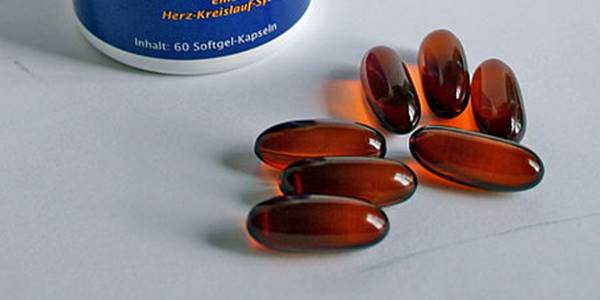
Image: PD

RELATED REPORTS

Self-Help App for Depression in People With Intellectual Disabilities: A Randomized Clinical Trial

2 Minute Medicine Rewind October 13, 2025

Higher tetrahydrocannabinol exposure may be associated with unfavorable mental health outcomes

©2021 2 Minute Medicine, Inc. All rights reserved. No works may be reproduced without expressed written consent from 2 Minute Medicine, Inc. Inquire about licensing here. No article should be construed as medical advice and is not intended as such by the authors or by 2 Minute Medicine, Inc.

Tags: depressionomega-3omega-3 fatty acids
Previous Post

Rivaroxaban associated with significantly increased risk of major ischemic or hemorrhagic events versus apixaban in patients with atrial fibrillation

Next Post

#VisualAbstract: The use of COVID-19 convalescent plasma not beneficial to patients hospitalized with COVID-19

RelatedReports

Shared decision-making tool for antidepressants improves patient and physician satisfaction
Chronic Disease

Self-Help App for Depression in People With Intellectual Disabilities: A Randomized Clinical Trial

October 16, 2025
Weekly Rewinds

2 Minute Medicine Rewind October 13, 2025

October 13, 2025
Parental cannabis use increasing, cigarette use decreasing
Psychiatry

Higher tetrahydrocannabinol exposure may be associated with unfavorable mental health outcomes

August 27, 2025
Non-alcoholic fatty liver disease and risk of incident acute myocardial infarction and stroke: findings from matched cohort study of 18 million European adults
Neurology

Early screening for emotional and cognitive issues may improve psychiatric outcomes for stroke patients

June 20, 2025
Next Post
#VisualAbstract: Pericardiotomy after cardiac surgery may reduce the incidence of postoperative atrial fibrillation

#VisualAbstract: The use of COVID-19 convalescent plasma not beneficial to patients hospitalized with COVID-19

Ultrasound enhances gastrointestinal absorption of drugs at low frequencies

Wellness Check: Addictions

#VisualAbstract Drug survival of etanercept was significantly lower than other biologics in patients with hidradenitis suppurativa

#VisualAbstract Drug survival of etanercept was significantly lower than other biologics in patients with hidradenitis suppurativa

2 Minute Medicine® is an award winning, physician-run, expert medical media company. Our content is curated, written and edited by practicing health professionals who have clinical and scientific expertise in their field of reporting. Our editorial management team is comprised of highly-trained MD physicians. Join numerous brands, companies, and hospitals who trust our licensed content.

Recent Reports

  • Three vs 12-month DAPT after implantation of biodegradable-polymer sirolimus-eluting coronary stent: a randomised clinical trial
  • Association between atrial fibrillation and both the in-hospital mortality and disease severity in acute pancreatitis: insights from a multicenter study
  • Effect of adjuvant carboplatin intensified chemotherapy versus standard chemotherapy on survival in women with high risk, early stage, triple negative breast cancer (CITRINE): randomised, open label phase 3 trial
License Content
Terms of Use | Disclaimer
Cookie Policy
Privacy Statement (EU)
Disclaimer

© 2025 2 Minute Medicine, Inc. - Physician-written medical news.

  • Specialties
    • All Specialties, All Recent Reports
    • Cardiology
    • Chronic Disease
    • Dermatology
    • Emergency
    • Endocrinology
    • Gastroenterology
    • Imaging and Intervention
    • Infectious Disease
    • Nephrology
    • Neurology
    • Obstetrics
    • Oncology
    • Ophthalmology
    • Pediatrics
    • Pharma
    • Preclinical
    • Psychiatry
    • Public Health
    • Pulmonology
    • Rheumatology
    • Surgery
  • Tools
    • EvidencePulse™
    • RVU Search
    • NPI Registry Lookup
  • Pharma
  • AI News
  • The Scan
  • Classics™
    • 2MM+ Online Access
    • Paperback and Ebook
  • Rewinds
  • Partners
    • License Content
    • Submit Press Release
    • Advertise with Us
  • Account
    • Subscribe
    • Sign-in
    • My account
No Result
View All Result

© 2025 2 Minute Medicine, Inc. - Physician-written medical news.