

Patient Basics: Heart Valve Replacement
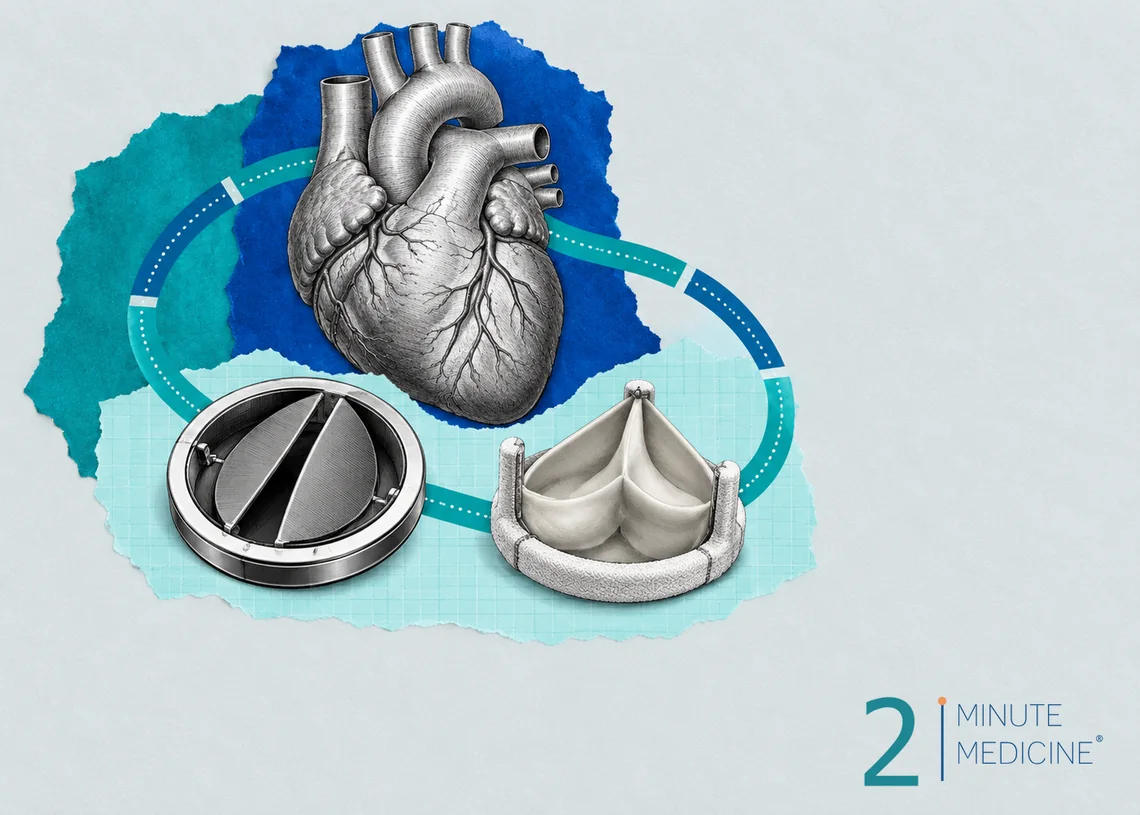
Heart valve replacement swaps a damaged heart valve for a new one made of carbon and metal (mechanical) or of animal or human tissue. Some people need open-heart surgery, while many with a narrowed aortic valve can have it done through a thin tube passed up from a leg artery. The type of valve you get affects how long it lasts and whether you need a blood thinner for life.
Key points
- The heart has four valves. The aortic and mitral valves are the ones most often replaced.
- Mechanical valves can last a lifetime but need the blood thinner warfarin every day.
- Tissue valves, usually from a pig or cow, often don’t need long-term blood thinners but wear out after about 10 to 20 years.
- TAVR replaces the aortic valve through a blood vessel, without opening the chest. Most people go home within a day or two.
- When a valve can be repaired instead, especially the mitral valve, doctors often prefer that.
The four heart valves
Valves keep blood flowing one way through the heart’s four chambers. Each has thin flaps (leaflets) that open to let blood through and snap shut to stop it flowing back. Their closing makes the “lub-dub” sound of a heartbeat.
- Tricuspid valve: between the two right chambers
- Pulmonary valve: from the right side of the heart to the lungs
- Mitral valve: between the two left chambers
- Aortic valve: from the left side of the heart to the aorta, the main artery to the body
Why heart valve replacement is done
A valve can become stiff and narrow so it doesn’t open fully (stenosis), or loose so it leaks (regurgitation). Either way the heart works harder, and over time it can weaken. Common reasons include:
- Calcium buildup on the aortic valve with age, the most common reason in older adults
- Being born with an aortic valve that has two flaps instead of three (bicuspid valve)
- Rheumatic heart disease, a result of untreated strep throat years earlier
- Infection of the valve (endocarditis)
- A floppy or torn mitral valve, or damage after a heart attack
Doctors usually recommend a new valve when the problem is severe and causes symptoms, such as shortness of breath, chest pain, fainting, tiredness or swollen ankles.
Types of replacement valves
Mechanical valves
These are made of strong carbon and metal and are built to last for life. Blood tends to clot on them, so you need warfarin every day, with regular blood tests (INR checks). Newer blood thinners such as apixaban are not approved for mechanical valves. Some people can hear a soft clicking as the valve closes.
Tissue (biological) valves
- Animal valves. Most tissue valves come from a pig’s heart valve or are shaped from tissue around a cow’s heart. Doctors call a graft from an animal a xenograft.
- Human donor valves (homografts) are sometimes used, for example when infection has damaged the valve.
- Your own valve. In the Ross procedure, used for some younger people, the surgeon moves your pulmonary valve to the aortic spot and puts a donor valve in its place.
Tissue valves usually need a blood thinner or aspirin only for the first few months. They wear out faster in younger people. A worn tissue valve can often be replaced later with a catheter procedure.
In general, mechanical valves are often chosen for people under 50 and tissue valves for people over 65. In between, it is a shared choice based on your health, lifestyle and plans. Women who want to become pregnant often choose tissue valves, because warfarin can harm an unborn baby.
Before the procedure
- Tests. An echocardiogram (heart ultrasound), a CT scan and often a heart catheterization to check the coronary arteries.
- Dental checkup. Tooth or gum infections need treatment first, because germs can spread to a new valve.
- Medicines. You may be told to stop blood thinners or some diabetes medicines a few days before.
How heart valve replacement is done
Open-heart surgery
You are fully asleep. The surgeon opens the breastbone, or uses smaller cuts between the ribs in some cases. A heart-lung machine takes over pumping and breathing while the heart is stopped. The surgeon cuts out the damaged valve and sews the new one into the ring of tissue where the old valve sat, then restarts the heart. A mechanical valve is put in the same way. Surgery takes several hours.
Transcatheter aortic valve replacement (TAVR)
A tissue valve folded inside a mesh frame is passed through an artery, usually in the groin, up to the heart. It is opened inside the old aortic valve and pushes the old flaps aside. TAVR is now common for aortic stenosis, especially in older adults. Catheter options for the mitral and tricuspid valves are newer and used for selected people.
Possible risks
- Bleeding, infection or a reaction to anesthesia
- Stroke
- An irregular heartbeat, most often atrial fibrillation, which is common in the first weeks after surgery
- Needing a pacemaker, more often after TAVR
- Later on, a clot on the valve, an infection of the valve, or a tissue valve wearing out
Recovery after heart valve replacement
After open surgery, most people spend a day or two in intensive care and about a week in the hospital. The breastbone takes 6 to 8 weeks to heal, so avoid heavy lifting, pushing and pulling until your surgeon says it’s fine. Most people feel much better within 2 to 3 months. Cardiac rehab helps you rebuild strength safely.
After TAVR, people usually walk the same day or the next, go home in 1 or 2 days, and return to light activities within a week or so.
Living with a new valve
- Take your blood thinner exactly as prescribed, and keep up with INR checks if you take warfarin.
- Brush and floss daily and see a dentist regularly. Tell every dentist you have a replacement valve, because you will likely need antibiotics before some dental work.
- Have echocardiograms as advised to check how the valve is working.
When to call your doctor
- Fever, chills or redness and drainage from your wound
- More shortness of breath, swelling in the legs or sudden weight gain
- A racing or irregular heartbeat
- Unusual bleeding or bruising while on a blood thinner
- A change in the clicking sound of a mechanical valve
Call 911 for chest pain, fainting, or signs of stroke such as face drooping, arm weakness or trouble speaking.
Common questions about heart valve replacement
What is a heart valve replacement from an animal called?
A valve made from animal tissue is called a xenograft or bioprosthetic valve. Most come from pig heart valves or from tissue around a cow’s heart, treated so the body won’t reject it. A valve from a human donor is called a homograft or allograft.
How long does a replacement heart valve last?
A mechanical valve usually lasts the rest of your life. Tissue valves last about 10 to 20 years on average and wear out sooner in younger people. When a tissue valve wears out, a new valve can often be placed inside it with a catheter instead of a second open surgery.
Do you need blood thinners after heart valve replacement?
Yes, with a mechanical valve you need warfarin for life to stop clots forming on the valve. With a tissue valve or TAVR, most people take aspirin or a blood thinner for a few months. People with atrial fibrillation may need a blood thinner long term either way.
Can a damaged heart valve heal on its own?
No, a valve that is badly narrowed or leaking doesn’t heal by itself, and no diet or supplement can repair it. Medicines can ease symptoms and protect the heart for a while. Some valves can be repaired by a surgeon or with a catheter clip, keeping your own tissue.
Questions to ask your doctor
- Can my valve be repaired instead of replaced?
- Am I a candidate for TAVR or other less invasive surgery?
- Which type of valve fits my age and lifestyle?
- Will I need a blood thinner, and for how long?
- When can I drive, work and exercise again?
Learn more
- Heart valve surgery (MedlinePlus, U.S. National Library of Medicine)
- Heart valve diseases (National Heart, Lung, and Blood Institute)
This guide is general information and doesn’t replace advice from your own doctor. Last updated October 2026.






 Get the app