

Patient Basics: Lupus (Systemic Lupus Erythematosus)

Lupus (systemic lupus erythematosus, or SLE) is a long-term autoimmune disease, which means the immune system attacks the body’s own healthy tissue. It can affect the joints, skin, kidneys, blood cells, heart, lungs and brain. Symptoms often flare up and then settle down. With today’s treatment, most people with lupus lead full lives, and regular checkups help catch problems early.
Key points
- About 9 in 10 people with lupus are women, and it usually starts between ages 15 and 45.
- Common signs are tiredness, joint pain, fever and a rash across the cheeks and nose.
- No single test proves lupus. Doctors put together symptoms, an exam, and blood and urine tests.
- Hydroxychloroquine is the basic medicine for almost everyone with lupus. Many people need others too.
- Lupus can quietly harm the kidneys, so urine tests are part of every checkup.
What causes lupus
Lupus comes from a mix of genes and triggers. Normally, antibodies fight germs. In lupus, the body makes antibodies against its own cells. These cause inflammation, pain and damage wherever they collect.
Lupus is more common, and often more severe, in Black, Hispanic, Asian and Native American people. It sometimes runs in families. Triggers that may set it off or cause a flare include:
- Sunlight and other ultraviolet (UV) light
- Infections, such as the virus that causes mono
- Hormone changes, including pregnancy
- Stress, lack of sleep and smoking
- Certain medicines
Types of lupus
- Systemic lupus erythematosus (SLE). The most common and most serious type. It can affect many parts of the body.
- Cutaneous lupus. Lupus that affects only the skin. Discoid lupus causes thick, scaly, round patches that can scar, often on the face, scalp and ears.
- Drug-induced lupus (DIL). Lupus-like symptoms caused by a medicine. It usually fades within weeks to months of stopping the drug.
- Neonatal lupus. A rare condition in newborns of mothers with certain antibodies. The rash goes away, but the baby’s heart rhythm needs checking.
Lupus symptoms
Lupus looks different in each person, and symptoms can change over time. Common signs of lupus include:
- Extreme tiredness
- Painful, stiff or swollen joints, often in the hands and wrists
- Fever without an infection
- A rash shaped like a butterfly over the nose and both cheeks
- Rashes that appear or worsen after time in the sun
- Painless sores in the mouth or nose
- Hair loss
- Fingers or toes that turn white or blue in the cold (Raynaud’s)
- Chest pain when taking a deep breath, from inflammation around the lungs or heart
- Swollen legs or foamy urine, which can mean kidney inflammation
- Trouble thinking clearly or remembering, headaches, and low mood
Lupus can also lower red cells, white cells or platelets, and some people form blood clots more easily.
Lupus and the kidneys
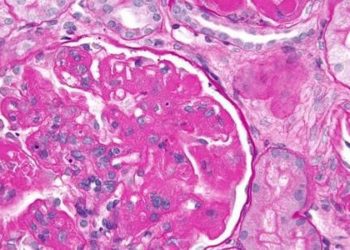
Kidney inflammation (lupus nephritis) is one of the most serious problems lupus can cause. It often has no symptoms at first. A urine test may show protein or red blood cells, the “ery” or “RBC” result on a urine report. A kidney biopsy may be needed to decide on treatment. Older books called this kind of kidney inflammation Bright’s disease.
How doctors diagnose lupus
- Antinuclear antibody (ANA) test. Almost everyone with lupus has a positive ANA. Many healthy people do too, so a positive result alone doesn’t mean lupus.
- More specific antibody tests, such as anti-double-stranded DNA and anti-Smith antibodies.
- Complement levels (C3 and C4). These often drop when lupus is active.
- Blood counts, kidney and liver tests, and a urine test.
- Biopsy of the skin or kidney in some cases.
A rheumatologist (a doctor who treats joint and immune diseases) usually makes the diagnosis. It can take time, because symptoms often appear one at a time.
Lupus treatment
Treatment aims to calm the immune system, prevent flares, and protect the organs, ideally reaching remission or low disease activity.
- Hydroxychloroquine (Plaquenil). This old antimalarial medicine lowers flares and protects the organs. You will need regular eye exams, because it can rarely harm the retina.
- NSAIDs. Ibuprofen and naproxen ease joint pain and fever for short periods. Check with your doctor first, since they can strain the kidneys.
- Corticosteroids. Prednisone works fast for flares. Doctors aim for the lowest dose for the shortest time, because long-term use can thin bones and raise blood sugar and weight.
- Immune-suppressing medicines, such as methotrexate, azathioprine and mycophenolate, help control lupus and let you take less prednisone. Cyclophosphamide and voclosporin are used for serious kidney or organ disease.
- Biologic medicines. Belimumab and anifrolumab target specific parts of the immune system. Newer treatments, such as CAR T-cell therapy, are being studied.
Other care includes sunscreen and sun-protective clothing, keeping vaccines up to date, controlling blood pressure and cholesterol, and protecting your bones. If you want to get pregnant, plan ahead with your doctors. Pregnancy goes best when lupus has been quiet for at least six months, and some lupus medicines must be stopped or switched before trying.
When to see a doctor
See a doctor for ongoing joint pain, unexplained fevers, a rash after sun exposure, or swelling in your legs. If you have lupus, call your care team about a new symptom or a flare. Get emergency care for chest pain, trouble breathing, a seizure, sudden weakness or confusion, or a swollen, painful leg.
Common questions about lupus
What does NSAID mean?
NSAID stands for nonsteroidal anti-inflammatory drug. These medicines, such as ibuprofen, naproxen and aspirin, ease pain, fever and swelling without being steroids. People with lupus often use them for joint pain, but they can affect the kidneys and stomach, so ask your doctor first.
Is lupus deadly?
For most people, no. With modern treatment and regular checkups, most people with lupus live a normal or near-normal lifespan. Lupus can be life-threatening when it causes severe kidney disease, serious infections, blood clots or heart disease. Regular checkups help catch these problems early.
What is drug-induced lupus?
Drug-induced lupus (DIL) is a lupus-like illness caused by certain medicines, such as hydralazine, procainamide, isoniazid, minocycline and some biologic drugs. It usually causes joint pain, muscle aches and fever, and rarely affects the kidneys. Symptoms usually go away after the medicine is stopped.
What kind of doctors treat lupus?
A rheumatologist usually leads lupus care. Depending on your symptoms, you may also see a kidney doctor (nephrologist), skin doctor (dermatologist), heart doctor, nerve doctor, blood doctor or an eye doctor for hydroxychloroquine checks. Women planning pregnancy often see a high-risk pregnancy specialist.
Questions to ask your doctor
- Which parts of my body does my lupus affect?
- How often do I need blood and urine tests?
- What are the side effects of my medicines?
- What are the signs of a flare, and what should I do?
- Is it safe for me to get pregnant, and when?
Learn more
- Lupus (National Institute of Arthritis and Musculoskeletal and Skin Diseases)
- Lupus (MedlinePlus, U.S. National Library of Medicine)
This guide is general information and doesn’t replace advice from your own doctor. Last updated October 2026.
RelatedReports







 Get the app