

Patient Basics: Obesity
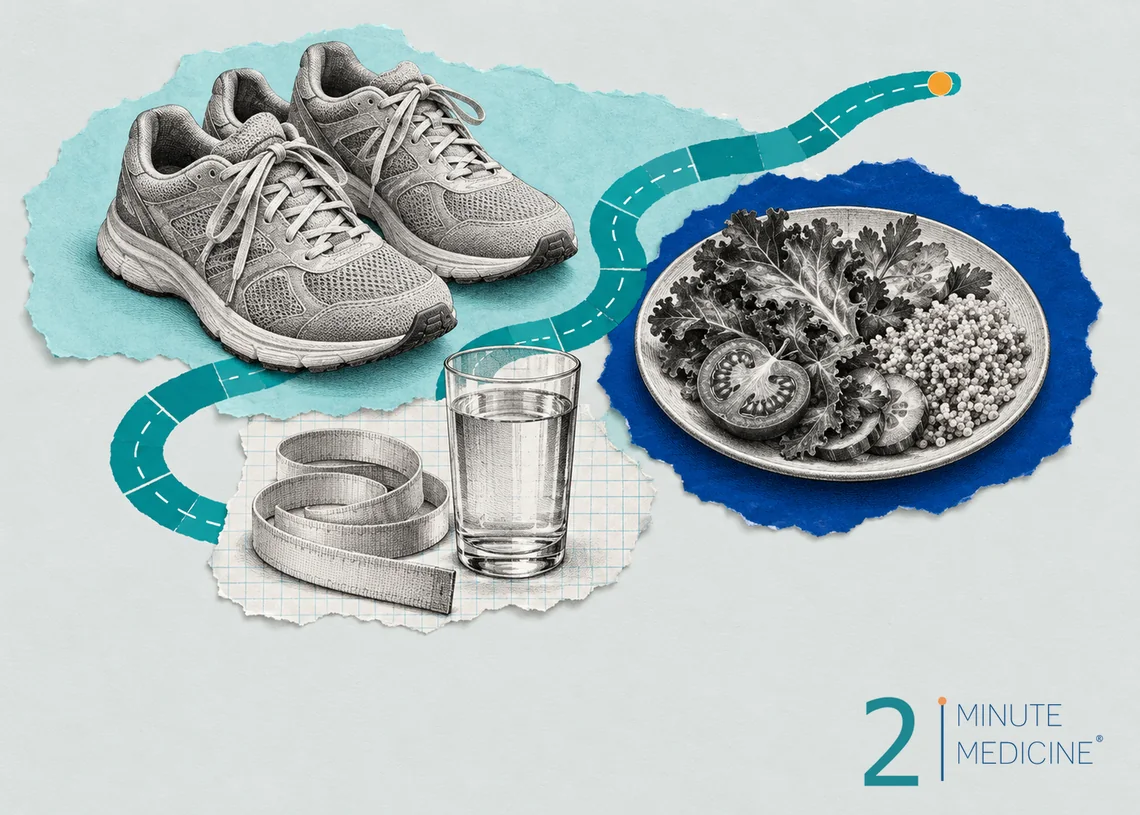
Obesity is a long-term disease in which extra body fat builds up to a level that harms health. In adults, it is usually defined as a body mass index (BMI) of 30 or higher. About 4 in 10 US adults have obesity. It comes from a mix of genes, body chemistry, surroundings and habits, so willpower alone rarely fixes it. Losing even 5 to 10 percent of your weight can lower blood pressure and blood sugar and ease joint pain.
Key points
- BMI is a quick screening tool. Waist size and your overall health tell a doctor more.
- Obesity raises the risk of type 2 diabetes, heart disease, sleep apnea, fatty liver, arthritis and some cancers.
- The CDC suggests a steady pace of about 1 to 2 pounds a week. People who lose weight gradually are more likely to keep it off.
- Treatment combines eating changes, activity, sleep and support. Medicines and surgery help when these aren’t enough.
- Obesity is a chronic condition, so most people need long-term care, much like for high blood pressure.
How obesity is measured
BMI compares your weight with your height. For adults:
- 18.5 to 24.9 is considered a healthy weight range
- 25 to 29.9 is overweight
- 30 or higher is obesity, and 40 or higher is severe obesity
BMI has limits. It can’t tell muscle from fat, and health risks start at a lower BMI for many people of Asian descent. A waist over 40 inches in men or 35 inches in women (who aren’t pregnant) points to fat around the organs, which carries more risk. Doctors also look at whether extra weight is already affecting your health. Children are measured with BMI percentiles for their age and sex.
What causes obesity
- Genes. Genes strongly shape appetite, how full you feel and where you store fat. Obesity often runs in families.
- Body signals. Hormones from the gut and fat tissue tell the brain when to eat and stop. After weight loss, hunger rises and the body burns fewer calories, which makes regain more likely.
- Surroundings. Cheap, highly processed food, large portions, sugary drinks, long hours of sitting, and neighborhoods that are hard to walk in.
- Sleep and stress. Short sleep, shift work and long-term stress raise hunger and cravings.
- Medicines. Some antidepressants and antipsychotics, steroids, insulin, and some seizure and diabetes drugs can cause weight gain.
- Health conditions. An underactive thyroid, Cushing’s syndrome and polycystic ovary syndrome (PCOS) can play a part.
- Life stages. Pregnancy, menopause, quitting smoking and getting older.
Health problems linked to obesity
- Type 2 diabetes and prediabetes
- High blood pressure, high cholesterol, heart disease and stroke
- Sleep apnea (pauses in breathing during sleep)
- Fatty liver disease, now called MASLD
- Knee and hip arthritis and back pain
- Acid reflux and gallstones
- At least 13 types of cancer, including colon, kidney, uterine and post-menopausal breast cancer
- Fertility problems and pregnancy complications
- Depression, often made worse by weight stigma
Checking your health
Your doctor will measure your weight, height, waist and blood pressure, and ask about your eating, activity, sleep, mood and medicines. Blood tests often check blood sugar (A1C), cholesterol, liver enzymes and sometimes thyroid levels. You may be asked about snoring and daytime sleepiness, which can point to sleep apnea.
How obesity is treated
Eating changes
Eating about 500 fewer calories a day than you burn leads to roughly 1 pound of loss a week. The best eating plan is one you can keep up. Mediterranean-style, lower-carbohydrate and other plans can all work. Helpful steps include filling half your plate with vegetables, choosing whole grains and lean protein, cutting sugary drinks and alcohol, and eating fewer ultra-processed foods. A registered dietitian or a structured weight-loss program with regular sessions adds support.
Activity
Aim for at least 150 minutes a week of moderate activity, such as brisk walking, plus muscle-strengthening exercise twice a week. Activity alone usually brings modest weight loss, but it helps keep weight off and improves heart health, mood and sleep, whatever you weigh.
Medicines
Weight-loss medicines may be an option if your BMI is 30 or higher, or 27 or higher with a weight-related condition. They work best alongside eating and activity changes.
- Weekly shots such as semaglutide (Wegovy) and tirzepatide (Zepbound) mimic gut hormones that curb appetite. In studies, people lost about 15 to 20 percent of their weight on average. Common side effects are nausea, vomiting, diarrhea and constipation. They are not used during pregnancy. Weight usually comes back if the medicine is stopped.
- Other options include phentermine-topiramate, naltrexone-bupropion, liraglutide and orlistat.
Get these medicines only with a prescription from a licensed pharmacy. The FDA has warned about fake and unapproved versions sold online.
Surgery
Weight-loss (bariatric) surgery, such as sleeve gastrectomy or gastric bypass, may be offered with a BMI of 35 or higher, or 30 or higher with type 2 diabetes or other related conditions. People often lose about a quarter to a third of their weight, and diabetes often improves or goes into remission. It requires lifelong vitamins and follow-up care.
Keeping weight off
The body works to regain lost weight, so plan for the long term. People who keep weight off tend to weigh themselves regularly, stay active most days, keep similar eating habits on weekends, and stay in touch with a care team. If weight starts creeping back, talk to your doctor early about adding or changing treatment.
When to see a doctor
- Your weight is affecting your health, sleep, mobility or mood
- You’ve gained weight quickly without a clear reason, or after starting a new medicine
- You snore loudly or feel very sleepy during the day
- You want help choosing a treatment plan
If you binge eat, make yourself vomit or feel unable to control your eating, ask for help. Call or text 988 if you feel hopeless or think about harming yourself.
Common questions about obesity
How much weight should I lose per week?
About 1 to 2 pounds a week is the pace the CDC suggests for most adults. Faster loss often includes more muscle, raises the risk of gallstones and is harder to keep off. A good first goal is to lose 5 to 10 percent of your starting weight over about 6 months.
Do fat cells go away when you lose weight?
Mostly, no. In adults, the number of fat cells stays fairly steady. When you lose weight, fat cells shrink in size rather than disappear. This is one reason weight can come back easily, and why a steady, long-term plan works better than a short crash diet.
Is obesity a disease?
Yes. Major medical groups, including the American Medical Association, call obesity a chronic disease. It involves changes in hormones, appetite and fat tissue that raise the risk of other illnesses. Seeing it this way helps people get real treatment and moves the focus away from blame.
Do weight-loss shots work long term?
They keep working for as long as you take them, and studies have followed people for several years. Most people regain much of the weight within a year of stopping. Many doctors now treat these medicines as long-term treatment, like blood pressure pills, alongside healthy habits.
Questions to ask your doctor
- How is my weight affecting my health right now?
- Could any of my medicines or health conditions be causing weight gain?
- What is a realistic first goal for me?
- Am I a candidate for weight-loss medicine or surgery?
- Can you refer me to a dietitian or weight-management program?
Learn more
- Understanding adult overweight and obesity (National Institute of Diabetes and Digestive and Kidney Diseases)
- Obesity (MedlinePlus, U.S. National Library of Medicine)
This guide is general information and doesn’t replace advice from your own doctor. Last updated October 2026.
RelatedReports







 Get the app