• About
  • Masthead
  • License Content
  • Advertise
  • Press Releases
  • Newsroom
  • RSS/Email List
  • 2MM Podcast
  • Write for us
  • Contact Us
2 Minute Medicine
No Result
View All Result

No products in the cart.

Sign in
SUBSCRIBE
  • About
  • Specialties
    • All Specialties, All Recent Reports
    • Cardiology
    • Chronic Disease
    • Dermatology
    • Emergency
    • Endocrinology
    • Gastroenterology
    • Imaging and Intervention
    • Infectious Disease
    • Nephrology
    • Neurology
    • Obstetrics
    • Oncology
    • Ophthalmology
    • Pediatrics
    • Pharma
    • Preclinical
    • Psychiatry
    • Public Health
    • Pulmonology
    • Rheumatology
    • Surgery
    • Rewinds
    • The Scan
  • EvidencePulse™
  • HypeCheck™
  • AI News
  • Classics™
    • 2MM+ Online Access
    • Paperback and Ebook
  • Tools
    • NPI Registry Lookup
    • RVU Search
    • Physician Pay by Specialty
    • ICD-10 Code Lookup
    • FDA Drug Approvals
    • Drug Safety for Breastfeeding/Pregnancy
    • Clinical Guidelines
    • Medical Calculators
    • ECG Reference
      • QTc Calculator
      • Sgarbossa Criteria
      • ECG Axis Calculator
      • AV Block Helper
  • Rankings
    • Medical School Rankings
    • Residency Rankings
  • Partners
    • License Content
    • Advertise with Us
2 Minute Medicine
  • About
  • Specialties
    • All Specialties, All Recent Reports
    • Cardiology
    • Chronic Disease
    • Dermatology
    • Emergency
    • Endocrinology
    • Gastroenterology
    • Imaging and Intervention
    • Infectious Disease
    • Nephrology
    • Neurology
    • Obstetrics
    • Oncology
    • Ophthalmology
    • Pediatrics
    • Pharma
    • Preclinical
    • Psychiatry
    • Public Health
    • Pulmonology
    • Rheumatology
    • Surgery
    • Rewinds
    • The Scan
  • EvidencePulse™
  • HypeCheck™
  • AI News
  • Classics™
    • 2MM+ Online Access
    • Paperback and Ebook
  • Tools
    • NPI Registry Lookup
    • RVU Search
    • Physician Pay by Specialty
    • ICD-10 Code Lookup
    • FDA Drug Approvals
    • Drug Safety for Breastfeeding/Pregnancy
    • Clinical Guidelines
    • Medical Calculators
    • ECG Reference
      • QTc Calculator
      • Sgarbossa Criteria
      • ECG Axis Calculator
      • AV Block Helper
  • Rankings
    • Medical School Rankings
    • Residency Rankings
  • Partners
    • License Content
    • Advertise with Us
Sign in
SUBSCRIBE
2 Minute Medicine
Sign in
Subscribe
2 Minute MedicineFree on Google PlayGet
✦EvidencePulse™by 2 Minute Medicine3 reportsYou askedtop stroke trials 2026Synthesizing medical evidence...Top 2026 stroke trial results:OCEANIC — ischemic stroke: 6.2% vs 8.4%OPTION* — mRS 0–1: 43.6% vs 34.2%ORIENTAL* — mRS 0–2: 58.6% vs 46.6%*Higher sICH in intervention armsParticipants randomizedNOCEANIC12,327OPTION570ORIENTAL564Ask about guidelines or landmark trials...↑Try EvidencePulse™Ask the evidence. Get the signal.Try it now →
Home Health A to Z

Patient Basics: Oral Cancer

by2 Minute Medicine
October 30, 2026
in Health A to Z
Reading Time: 6 mins read
Oral cancer collage: an engraved side view of the mouth and tongue with a dental mirror, penlight and toothbrush
Share on FacebookShare on TwitterShare on LinkedIn

Oral cancer (mouth cancer) is cancer that starts anywhere in the mouth: the lips, tongue, gums, inner cheeks, floor of the mouth or roof of the mouth. It often first shows up as a sore, lump or white or red patch that doesn’t heal. Tobacco and heavy drinking cause most cases. When oral cancer is found early, it is often curable, which is why a sore that lasts more than 2 or 3 weeks should be checked by a dentist or doctor.

Key points

  • The most common warning sign is a mouth sore, lump or patch that hasn’t healed in 2 to 3 weeks.
  • Smoking, chewing tobacco and alcohol are the biggest risks. HPV causes many cancers further back in the throat.
  • A biopsy is the only way to confirm cancer.
  • Surgery is the main treatment, often with radiation or chemotherapy afterward.
  • Regular dental checkups help catch it early, because dentists look for it at every exam.

Where mouth cancer starts

About 9 in 10 oral cancers are squamous cell carcinomas, which start in the thin, flat cells that line the mouth. The most common sites are:

  • Tongue cancer, most often on the sides of the tongue
  • Floor of the mouth, under the tongue
  • Gum cancer, which can look like gum disease or loosen teeth
  • Inner cheek (buccal) cancer
  • Lip cancer, usually on the lower lip, linked to sun exposure
  • Roof of the mouth (hard palate)

Less common types include cancers of the small salivary glands, lymphoma and, rarely, melanoma, which looks like a dark brown, black or blue patch, most often on the roof of the mouth or the gums. Cancer at the back of the tongue, the tonsils and the soft palate is called oropharyngeal cancer. It is often caused by HPV and is treated in a similar way.

What causes oral cancer

  • Smoking cigarettes, cigars or pipes
  • Chewing tobacco, snuff, and betel quid or areca nut
  • Heavy alcohol use. Tobacco and alcohol together raise the risk far more than either alone.
  • HPV infection, mainly for throat cancers
  • Sun exposure, for lip cancer
  • Older age. Most people are diagnosed after 55, and men are affected about twice as often as women.
  • A weak immune system, and some rare inherited conditions

Some people, including young adults with tongue cancer, have no known risk factors.

Oral cancer symptoms

  • A sore or ulcer in the mouth or on the lip that doesn’t heal
  • A white patch (leukoplakia) or red patch (erythroplakia) on the gums, tongue or lining of the mouth
  • A lump or thick, hard area in the cheek, tongue or gum
  • Bleeding, pain or numbness in the mouth
  • Loose teeth, or dentures that suddenly don’t fit
  • Trouble chewing, swallowing, or moving the tongue or jaw
  • Ear pain on one side
  • A lump in the neck
  • Weight loss without trying

Early oral cancer is often painless, so don’t wait for pain. Most mouth sores are harmless and heal within 2 weeks. Canker sores, bite injuries, denture rubbing and infections are far more common causes.

How oral cancer is diagnosed

  • Exam. A dentist, doctor or ear, nose and throat (ENT) surgeon looks at and feels the whole mouth, tongue and neck. A thin camera passed through the nose may be used to check the throat.
  • Biopsy. A small piece of the sore or lump is removed after numbing and checked under a microscope. A brush test can flag areas that need a biopsy but can’t diagnose cancer on its own.
  • Imaging. CT, MRI or PET-CT scans show how deep the tumor goes and whether it has spread to the neck or beyond.
  • HPV testing on the tumor if it is in the back of the mouth or throat

Doctors then give a stage from I to IV based on the tumor’s size and depth, whether it has reached lymph nodes in the neck, and whether it has spread further. Throat cancers caused by HPV use their own staging system and tend to respond better to treatment.

RELATED REPORTS

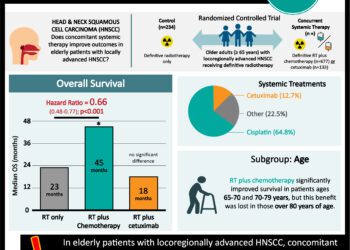
#StudyGraphics: Concomitant chemoradiotherapy improves survival in elderly adults with locally advanced head and neck squamous cell carcinoma

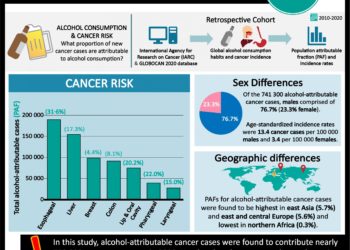
#VisualAbstract: Head and neck cancers are highly prevalent among alcohol consumption-associated malignancies in the global population

Oral cancer treatment

  • Surgery removes the tumor with a margin of healthy tissue. Lymph nodes in the neck are often removed too (neck dissection). For larger cancers, surgeons rebuild the tongue, jaw or cheek with tissue taken from the arm, leg or back.
  • Radiation therapy is often given after surgery, or used as the main treatment when surgery isn’t a good option.
  • Chemotherapy, often cisplatin, is given with radiation when the cancer has a higher chance of returning.
  • Immunotherapy and targeted drugs such as pembrolizumab and cetuximab are used for cancer that has spread or come back, and immunotherapy is now used around surgery for some advanced cancers.

Treatment is planned by a team that includes a head and neck surgeon, radiation and medical oncologists, a dentist, a speech and swallowing therapist and a dietitian.

Recovery

Treatment can cause dry mouth, taste changes, mouth sores, trouble swallowing, stiff jaw muscles and changes in speech. Some people need a feeding tube for a while during radiation. Speech and swallowing therapy, saliva substitutes and good nutrition help. Before radiation, a dentist checks your teeth, since radiation raises the risk of tooth decay and jawbone damage for life. You’ll have regular checkups for at least 5 years.

Lowering your risk

  • Don’t use any tobacco. For free help quitting, call 1-800-QUIT-NOW (1-800-784-8669).
  • Limit alcohol.
  • Get the HPV vaccine. It is recommended at ages 11 to 12, can start at 9, and is advised through age 26.
  • Use lip balm with sunscreen.
  • See a dentist regularly, and look in your mouth once a month for sores, patches or lumps.

When to see a doctor

  • A mouth sore, white or red patch, or lump that lasts more than 2 to 3 weeks
  • A lump in the neck that lasts more than 2 to 3 weeks
  • Numbness, loose teeth or trouble swallowing without a clear cause
  • Hoarseness or ear pain on one side that won’t go away

Common questions about oral cancer

Is oral cancer curable?

Yes, often. When mouth cancer is found before it spreads to the neck, more than 8 in 10 people are alive 5 years later, and many are cured. The chance of cure falls as the cancer grows and spreads, which is why early checks for lasting sores matter.

What does early mouth cancer look like?

It often looks like a small, painless sore, a rough white or red patch, or a firm spot in the tongue, gums or cheek. It may bleed easily. Unlike a canker sore, it doesn’t heal within 2 weeks. Any spot like this that lasts should be looked at.

Is a hard bone on the roof of my mouth cancer?

Usually not. A hard, smooth bump in the middle of the roof of the mouth is often a torus palatinus, a harmless bony growth that many people have for years. A sore, a patch, or a lump that grows, bleeds or sits off to one side should be checked.

Could a lump under my jaw be cancer?

Most lumps under the jaw are swollen lymph nodes from a cold, tooth infection or sore throat, or a blocked salivary gland, and they shrink within a few weeks. A firm, painless lump that lasts more than 2 to 3 weeks needs an exam. It can come from mouth, throat or salivary gland cancer.

Questions to ask your doctor

  • Where exactly is the cancer, and what stage is it?
  • Has it spread to the lymph nodes in my neck?
  • Will surgery affect how I speak, eat or look, and can that be rebuilt?
  • Do I need radiation or chemotherapy after surgery?
  • What should I do to protect my teeth before treatment?

Learn more

  • Oral cancer (National Institute of Dental and Craniofacial Research)
  • Oral cancer (MedlinePlus, U.S. National Library of Medicine)

This guide is general information and doesn’t replace advice from your own doctor. Last updated October 2026.

Tags: Oral Cancer
Previous Post

Patient Basics: Obesity

Next Post

Patient Basics: Osgood-Schlatter Disease

RelatedReports

#StudyGraphics: Concomitant chemoradiotherapy improves survival in elderly adults with locally advanced head and neck squamous cell carcinoma
StudyGraphics

#StudyGraphics: Concomitant chemoradiotherapy improves survival in elderly adults with locally advanced head and neck squamous cell carcinoma

March 9, 2023
#VisualAbstract: High-dose glucocorticoids may be detrimental for the management of patients with advanced melanoma expieriencing immune-related adverse events
StudyGraphics

#VisualAbstract: Head and neck cancers are highly prevalent among alcohol consumption-associated malignancies in the global population

May 13, 2022
#VisualAbstract: Pembrolizumab improves long-term survival in patients with stage III melanoma
StudyGraphics

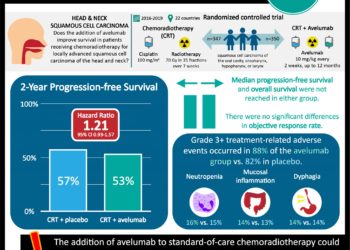
#VisualAbstract: Avelumab does not improve outcomes in patients receiving chemoradiotherapy for squamous cell carcinomas of the head and neck

May 6, 2021
Next Post
Collage of an older man in side profile, nasal polyps shaped like small grapes, a blank nasal spray and a single rose

Patient Basics: Nasal Polyps

Collage on nearsightedness: a girl in round glasses, a long eyeball focusing light too soon, and a blurry distant tree

Patient Basics: Nearsightedness (Myopia)

Perimenopause collage: a calm woman in her 50s beside a uterus and ovaries, an open hand fan and a paper crescent moon

Patient Basics: Menopause and Perimenopause

✦ EvidencePulse™ by 2 Minute Medicine 3 reports You asked top stroke trials 2026 Synthesizing medical evidence... Top 2026 stroke trial results: OCEANIC — ischemic stroke: 6.2% vs 8.4% OPTION* — mRS 0–1: 43.6% vs 34.2% ORIENTAL* — mRS 0–2: 58.6% vs 46.6% *Higher sICH in intervention arms Participants randomizedN OCEANIC 12,327 OPTION 570 ORIENTAL 564 Ask about guidelines or landmark trials... Try EvidencePulse™ Get the signal. Try it now → Physician-trained medical AI by 2 Minute Medicine

2MM+ All Access

Full details →
$4.99 /month

3-day free trial · cancel anytime

  • ✓100+ physician-written reports
  • ✓EvidencePulse™ + HypeCheck™
  • ✓Ad-free reading + newsletters
Start 3-day free trial

Then $4.99/month. Manage renewal in your account.

2 Minute Medicine® is an award winning, physician-run, expert medical media company. Our content is curated, written and edited by practicing health professionals who have clinical and scientific expertise in their field of reporting. Our editorial management team is comprised of highly-trained MD physicians. Join numerous brands, companies, and hospitals who trust our licensed content.

Recent Reports

  • Pelacarsen lowers lipoprotein(a) but does not reduce major cardiovascular events in patients with established cardiovascular disease
  • Durvalumab plus enfortumab vedotin was approved for perioperative treatment of muscle-invasive bladder cancer
  • CDC reports 5,412 confirmed measles cases in the United States in 2026
License Content
Terms of Use | Disclaimer
Cookie Policy

Get the app

Read 2 Minute Medicine on iPhone, iPad and Android.

Download on the App StoreGet it on Google Play
QR code for www.2minutemedicine.com/app
On a computer? Scan this with your phone’s camera.
2MM+ All Access Full details →

The medical literature, distilled daily.

Monthly plan selected: $4.99 /month.

$4.99/month

3-day free trial · cancel anytime

Start 3-day free trial

Then $4.99/month. Manage renewal in your account.

Yearly plan selected: $49.90 /year.

$49.90/year

2 months free

Start 3-day free trial

Then $49.90/year.

Membership benefits

  • ✓100+ new physician-written study summaries monthly, 12,000+ searchable
  • ✓AI EvidencePulse™ + HypeCheck™
  • ✓Ad-free reading + newsletters
  • ✓FDA drug approvals + clinical calculators

Already a member? Sign in

  • Get the app
  • About
  • Specialties
    • All Specialties, All Recent Reports
    • Cardiology
    • Chronic Disease
    • Dermatology
    • Emergency
    • Endocrinology
    • Gastroenterology
    • Imaging and Intervention
    • Infectious Disease
    • Nephrology
    • Neurology
    • Obstetrics
    • Oncology
    • Ophthalmology
    • Pediatrics
    • Pharma
    • Preclinical
    • Psychiatry
    • Public Health
    • Pulmonology
    • Rheumatology
    • Surgery
    • Rewinds
    • The Scan
  • EvidencePulse™
  • HypeCheck™
  • AI News
  • Classics™
    • 2MM+ Online Access
    • Paperback and Ebook
  • Tools
    • NPI Registry Lookup
    • RVU Search
    • Physician Pay by Specialty
    • ICD-10 Code Lookup
    • FDA Drug Approvals
    • Drug Safety for Breastfeeding/Pregnancy
    • Clinical Guidelines
    • Medical Calculators
    • ECG Reference
      • QTc Calculator
      • Sgarbossa Criteria
      • ECG Axis Calculator
      • AV Block Helper
  • Rankings
    • Medical School Rankings
    • Residency Rankings
  • Partners
    • License Content
    • Advertise with Us
No Result
View All Result

© 2026 2 Minute Medicine, Inc. - Physician-written medical news.