

Patient Basics: Polycystic Ovary Syndrome (PCOS)
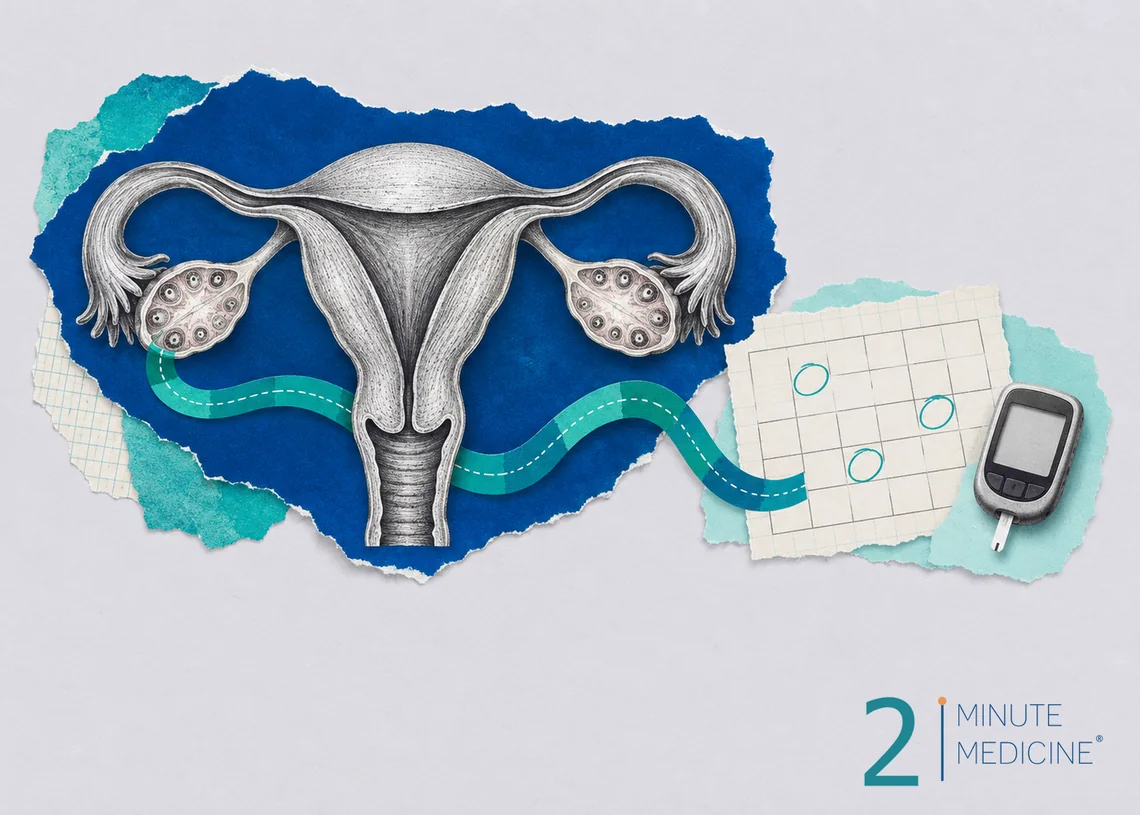
Polycystic ovary syndrome (PCOS) is a common hormone condition that affects about 1 in 10 women of childbearing age. It causes irregular or missed periods, higher levels of male-type hormones (androgens), and often many small fluid-filled sacs on the ovaries. PCOS is also linked to insulin resistance and type 2 diabetes. There is no cure, but treatment can control symptoms, protect long-term health and help with pregnancy.
Key points
- Common signs are irregular periods, extra hair on the face or body, acne, and trouble getting pregnant.
- Doctors diagnose PCOS from symptoms, blood tests and sometimes an ultrasound, after ruling out other causes.
- Healthy eating and regular activity help, and losing even a small amount of extra weight can bring periods back.
- Birth control pills, metformin and other medicines treat specific symptoms.
- Many women with PCOS get pregnant, sometimes with help from fertility medicine.
What causes polycystic ovary syndrome
The exact cause isn’t known. PCOS often runs in families, so genes play a part. Two problems feed into each other:
- Insulin resistance. The body doesn’t respond well to insulin, so it makes more. High insulin pushes the ovaries to make more androgens.
- Hormone signals. The brain sends signals that also raise androgen levels. Too many androgens keep eggs from maturing and being released each month.
Without regular ovulation, periods become irregular, and the small sacs (follicles) holding immature eggs build up on the ovaries. These follicles are not true cysts and are not harmful, despite the name.
Symptoms of polycystic ovary syndrome
Symptoms often start around the first period in the teen years, but some women notice them only later, for example after gaining weight or when trying to get pregnant.
- Periods that come far apart, are irregular, or stop
- Extra hair on the face, chin, chest, belly or back (hirsutism)
- Acne or oily skin
- Thinning hair on the scalp
- Weight gain, especially around the belly, and trouble losing weight
- Dark, velvety patches of skin on the neck, armpits or groin (acanthosis nigricans), a sign of insulin resistance
- Trouble getting pregnant
Women with PCOS are also more likely to have depression and anxiety, sleep apnea, fatty liver disease, high cholesterol and high blood pressure.
How polycystic ovary syndrome is diagnosed
Most doctors diagnose PCOS in adults when you have at least two of these three features:
- Irregular or absent ovulation, usually shown by irregular periods
- Signs of high androgens, either symptoms such as extra hair or acne, or high levels on a blood test
- Many follicles on an ultrasound of the ovaries, or a high level of a hormone called AMH on a blood test
Your doctor will also test for conditions that can look like PCOS, such as thyroid disease, a high prolactin level, pregnancy, and a rare inherited adrenal gland condition. Tests for diabetes, cholesterol and blood pressure are part of the workup. In teens, irregular periods are common for a few years after the first period, so doctors look for both irregular periods and high androgens and usually skip the ultrasound.
PCOS treatment
Treatment depends on your symptoms and whether you want to get pregnant.
Healthy habits
Regular activity and a balanced diet improve insulin resistance, mood and periods. No single diet is best for PCOS. For women with extra weight, losing about 5% of body weight can make periods more regular and raise the chance of ovulation.
Irregular periods
Combined birth control pills, patches or rings make periods regular and lower androgen levels. When periods are very far apart, the lining of the uterus can build up and raise the risk of uterine cancer. Birth control, a progestin pill taken some days each month, or a hormonal IUD protects the lining. Metformin, a diabetes medicine, can also make cycles more regular.
Unwanted hair and acne
Birth control pills are the first step. Spironolactone blocks androgens and is often added, but it can harm a developing baby, so it must be used with reliable birth control. Laser hair removal, electrolysis and a prescription cream for facial hair (eflornithine) also help, as do usual acne treatments.
Getting pregnant
Letrozole, a pill taken for a few days each cycle, is the first-choice medicine to bring on ovulation. Clomiphene is another option. If these don’t work, choices include hormone shots, in vitro fertilization (IVF) and minor surgery on the ovaries. PCOS raises the risk of diabetes and high blood pressure during pregnancy, so early prenatal care matters.
Weight and blood sugar
Metformin may help with blood sugar and weight. Weight-loss medicines such as semaglutide or tirzepatide may be options for some women, but they must be stopped well before trying to get pregnant. Weight-loss surgery is sometimes considered for severe obesity.
Long-term health
PCOS lasts through life, though symptoms change. Periods often become more regular as women approach menopause, but the higher risk of diabetes and heart disease continues. Get regular checks of blood sugar, blood pressure and cholesterol, and tell your doctor about mood changes, snoring or daytime sleepiness.
When to see a doctor
- You have fewer than eight or nine periods a year, or periods stop for three months or more
- You have new or growing hair on your face or body, or bad acne
- You have been trying to get pregnant for a year, or six months if you are 35 or older
- You notice signs of diabetes, such as thirst, frequent urination or dark velvety skin patches
Common questions about polycystic ovary syndrome
Can you get pregnant with PCOS?
Yes. Many women with PCOS get pregnant on their own, though it may take longer because ovulation is irregular. If it doesn’t happen, medicines such as letrozole help most women ovulate. Talk with your doctor before trying, so you can stop any medicines that aren’t safe in pregnancy.
Does PCOS mean I have cysts on my ovaries?
No, not in the usual sense. The “cysts” in PCOS are small follicles holding eggs that didn’t mature and get released. They don’t need to be removed and don’t turn into cancer. Some women with PCOS have normal-looking ovaries, and some women without PCOS have many follicles.
Can you have PCOS without being overweight?
Yes. Many women with PCOS are at a healthy weight. They can still have irregular periods, extra hair and insulin resistance. Treatment is similar, and it focuses on the symptoms that bother you most, along with regular checks for diabetes and heart risks.
Does PCOS go away?
PCOS doesn’t go away, but it can change. Symptoms often ease with weight loss and as women near menopause, while the risk of diabetes and heart disease stays. Treatment controls symptoms well for most women, so regular follow-up helps.
Questions to ask your doctor
- How sure are you that I have PCOS, and what else could it be?
- Which treatment fits my goals right now?
- How often should I be checked for diabetes and high cholesterol?
- What should I do if I want to get pregnant?
- How can I protect the lining of my uterus?
Learn more
- Polycystic ovary syndrome (PCOS) (Eunice Kennedy Shriver National Institute of Child Health and Human Development)
- Polycystic ovary syndrome (MedlinePlus, U.S. National Library of Medicine)
This guide is general information and doesn’t replace advice from your own doctor. Last updated October 2026.
RelatedReports






 Get the app