

Patient Basics: Sarcoidosis
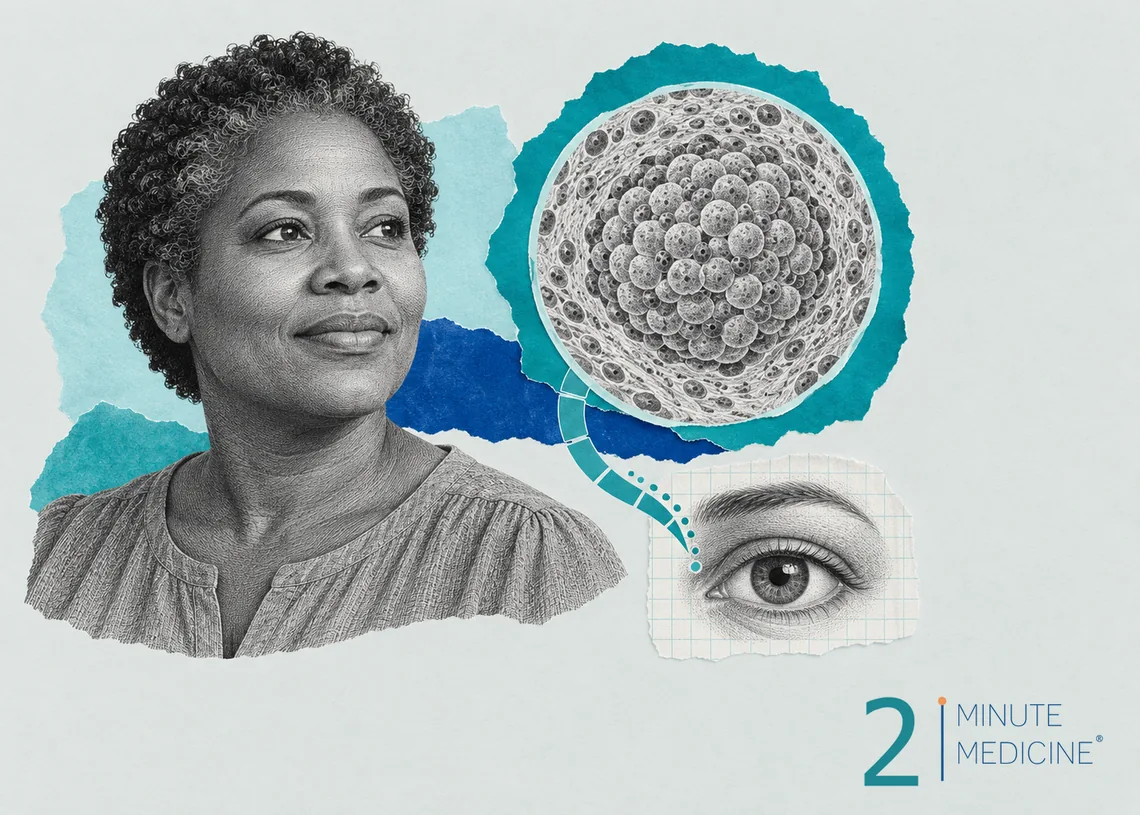
Sarcoidosis is a disease in which tiny clumps of immune cells, called granulomas, form in the body’s organs. It most often affects the lungs and the lymph nodes in the chest, but it can also involve the skin, eyes, heart, nerves and other organs. Many people have mild sarcoidosis that clears on its own, while others need treatment to protect the organs involved.
Key points
- The cause is unknown. It seems to be an overreaction of the immune system in people whose genes make them more likely to get it.
- Sarcoidosis is not contagious and is not cancer.
- Common symptoms are a dry cough, shortness of breath, tiredness, skin bumps and red, sore eyes. Some people have no symptoms at all.
- Diagnosis usually needs a chest scan and a small tissue sample (biopsy).
- Steroids such as prednisone are the usual first treatment when treatment is needed. Other medicines help people who need longer care.
- Everyone with sarcoidosis should have an eye exam and a heart check, even without symptoms.
What causes sarcoidosis
Granulomas form when immune cells gather to wall off something they see as a threat. In sarcoidosis, they form without a clear reason and can build up enough to affect how an organ works. Experts think a trigger in the environment, such as dust, mold, chemicals or certain germs, sets off this reaction in people with certain genes.
Sarcoidosis can affect anyone, but it is more common in:
- Adults between 20 and 60
- Women
- Black Americans, who also tend to have more severe disease
- People of Northern European descent
- People with a parent, brother or sister who has it
- Firefighters and some other workers exposed to dust and fumes
Sarcoidosis symptoms
Symptoms depend on which organs are affected. Many people have no symptoms and learn they have sarcoidosis from a chest X-ray done for another reason.
- Lungs: dry cough, shortness of breath, wheezing or chest discomfort
- Whole body: tiredness, fever, weight loss and night sweats
- Skin: tender red bumps on the shins, raised bumps or patches on the face, arms or old scars and tattoos, or purple patches on the nose and cheeks
- Eyes: redness, pain, blurry vision, light sensitivity or dryness
- Joints: swollen, painful ankles
- Heart: skipped or racing heartbeats, dizziness or fainting
- Nerves: weakness on one side of the face, numbness, headaches or seizures
Sarcoidosis can also raise calcium levels in the blood and urine, which can lead to kidney stones.
One form, called Löfgren syndrome, starts suddenly with fever, red bumps on the shins, swollen ankles and swollen lymph nodes in the chest. It usually goes away on its own within months to two years.
How sarcoidosis is diagnosed
No single test proves sarcoidosis. Doctors look for granulomas and rule out other causes, such as tuberculosis, fungal infections and lymphoma.
- Chest X-ray and CT scan show swollen lymph nodes and changes in the lungs.
- Breathing tests measure how well your lungs move air and pass oxygen into the blood.
- Biopsy. A small tissue sample is taken, often during a bronchoscopy. A thin, lighted tube goes through the mouth into the airways, and a needle guided by ultrasound samples the lymph nodes. A skin bump may also be sampled.
- Blood and urine tests check calcium, kidney and liver function.
- Eye exam by an eye doctor, because eye inflammation can cause no symptoms at first.
- Heart tests, starting with an ECG. A heart MRI or PET scan may follow if there is any sign of heart involvement.
How sarcoidosis is treated
Many people don’t need treatment. If symptoms are mild and no important organ is at risk, doctors often watch and repeat tests every few months, because sarcoidosis often settles down on its own.
Treatment is advised when symptoms bother you or when the eyes, heart, nerves, kidneys or lungs are at risk. Options include:
- Corticosteroids. Prednisone is usually the first medicine. It works quickly, but long use can cause weight gain, high blood sugar, thin bones and mood changes, so doctors aim for the lowest dose for the shortest time.
- Steroid-sparing medicines. Methotrexate, azathioprine, leflunomide or mycophenolate let people take less prednisone.
- Hydroxychloroquine can help skin disease and high calcium.
- Biologic medicines such as infliximab or adalimumab, for severe or stubborn disease.
- Eye drops, skin creams or shots for problems in just one area.
- A pacemaker or implanted defibrillator if the heart’s rhythm is affected.
A few people with severe lung scarring need oxygen, and rarely, a lung transplant.
Living with sarcoidosis
- Don’t smoke, and avoid dust, fumes and mold where you can.
- Keep up with checkups, breathing tests and a yearly eye exam.
- Get flu, pneumonia and COVID-19 vaccines, especially if you take medicines that lower immunity.
- Ask before taking calcium or vitamin D supplements, because they can raise calcium levels too far.
- Stay active. Exercise and pulmonary rehab can ease tiredness and breathlessness.
Tiredness can last even after other signs improve. Tell your doctor, because there are ways to help.
When to see a doctor
- A cough or shortness of breath that lasts more than a few weeks
- New skin bumps or patches that don’t go away
- Red, painful eyes or vision changes. Get seen within a day.
- Pain in your side or back with blood in the urine, which can mean a kidney stone
Call 911 for fainting, chest pain, a very fast or irregular heartbeat, or severe trouble breathing.
Common questions about sarcoidosis
Is sarcoidosis an autoimmune disease?
Not exactly. Sarcoidosis is an immune disease, but doctors haven’t found the body attacking a specific part of itself, as happens in lupus or rheumatoid arthritis. Instead, immune cells overreact to an unknown trigger. It is treated with some of the same medicines used for autoimmune diseases.
Can sarcoidosis go away on its own?
Yes, often. Many people, especially those with mild disease or Löfgren syndrome, see it fade within two to three years without treatment. In others it lasts longer or comes back, and some need medicine for years. Regular checkups show which pattern you have.
What is the life expectancy with sarcoidosis?
Most people with sarcoidosis live a normal life span. The outlook is less certain for people with severe lung scarring or heart involvement, which is why early heart and eye checks and steady follow-up matter. Treatment can control the disease in most of these cases.
Questions to ask your doctor
- Which organs are affected in my case?
- Do I need treatment now, or can we watch and wait?
- What side effects should I watch for with my medicines?
- How often do I need breathing tests, eye exams and heart checks?
- Is there anything at work or home I should avoid?
Learn more
- Sarcoidosis (National Heart, Lung, and Blood Institute)
- Sarcoidosis (MedlinePlus, U.S. National Library of Medicine)
This guide is general information and doesn’t replace advice from your own doctor. Last updated October 2026.






 Get the app