• About
  • Masthead
  • License Content
  • Advertise
  • Submit Press Release
  • RSS/Email List
  • 2MM Podcast
  • Write for us
  • Contact Us
2 Minute Medicine
No Result
View All Result

No products in the cart.

SUBSCRIBE
  • Specialties
    • All Specialties, All Recent Reports
    • Cardiology
    • Chronic Disease
    • Dermatology
    • Emergency
    • Endocrinology
    • Gastroenterology
    • Imaging and Intervention
    • Infectious Disease
    • Nephrology
    • Neurology
    • Obstetrics
    • Oncology
    • Ophthalmology
    • Pediatrics
    • Pharma
    • Preclinical
    • Psychiatry
    • Public Health
    • Pulmonology
    • Rheumatology
    • Surgery
  • Tools
    • EvidencePulse™
    • RVU Search
    • NPI Registry Lookup
  • Pharma
  • AI News
  • The Scan+
  • Classics™+
    • 2MM+ Online Access
    • Paperback and Ebook
  • Rewinds
  • Partners
    • License Content
    • Submit Press Release
    • Advertise with Us
  • Account
    • Subscribe
    • Sign-in
    • My account
2 Minute Medicine
  • Specialties
    • All Specialties, All Recent Reports
    • Cardiology
    • Chronic Disease
    • Dermatology
    • Emergency
    • Endocrinology
    • Gastroenterology
    • Imaging and Intervention
    • Infectious Disease
    • Nephrology
    • Neurology
    • Obstetrics
    • Oncology
    • Ophthalmology
    • Pediatrics
    • Pharma
    • Preclinical
    • Psychiatry
    • Public Health
    • Pulmonology
    • Rheumatology
    • Surgery
  • Tools
    • EvidencePulse™
    • RVU Search
    • NPI Registry Lookup
  • Pharma
  • AI News
  • The Scan+
  • Classics™+
    • 2MM+ Online Access
    • Paperback and Ebook
  • Rewinds
  • Partners
    • License Content
    • Submit Press Release
    • Advertise with Us
  • Account
    • Subscribe
    • Sign-in
    • My account
SUBSCRIBE
2 Minute Medicine
Subscribe
Home All Specialties Neurology

Plasma sulfar amino acids and risk of cerebrovascular diseases
byBrian DoughertyandAlex Chan
December 28, 2020
in Neurology
Reading Time: 2 mins read
0
Share on FacebookShare on Twitter

1. Plasma concentration of homocysteine was found to not be associated with incident stroke in a case-control, nested study.

2. Both methionine concentration and methionine to homocysteine ratio were associated with a lower risk of incident stoke.

Evidence Level Rating: 2 (Good)

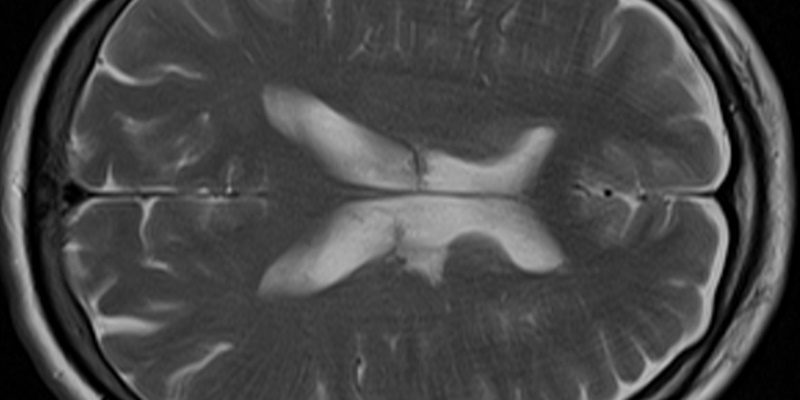
Stroke is a leading cause of morbidity and mortality worldwide, and homocysteine, formed from the metabolism of methionine, has been recognized as the major sulfur-containing amino acid linked to cardiovascular disease, including stroke, though the pathogenesis is somewhat unclear. Furthermore, due to the relationship between homocysteine and other sulfur-containing compounds, there is a risk of confounding variables. This nested case-control study of the EPIC (European Prospective Investigation Into Cancer and Nutrition)-Norfolk study examined the association of plasma concentration of individual sulfur-containing compounds as well as the ratio of methionine to homocysteine – which represents the activity of one-carbon metabolism – with the incidence of stroke. From the original EPIC-Norfolk study (n = 25,639), 480 cerebrovascular disease cases (mean [SD] age = 67.4 [7.3] years, 52.3% female) and 480 matched controls (mean [SD] age = 67.2 [7.3] years, 52.3% female) were evaluated. It was found that higher plasma concentrations of homocysteine were significantly associated with incident stroke; this associated, though, was attenuated after adjustment. In contrast, higher plasma concentrations of methionine and a higher methionine to homocysteine ratio were both associated with a lower risk of incident stroke, with odds ratios per 1 SD of 0.83 (95% CI 0.72 to 0.96) and 0.82 (95% CI 0.71 to 0.95), respectively. This association persisted after adjusting for homocysteine and other potential variables like lipid levels and blood pressure. Other sulfur-containing compounds like cystathionine, cysteine, glutathione, and taurine were not associated with a risk of stroke. In all, though the plasma concentration of homocysteine was not found to be associated with incident stroke, there may be a potential role for methionine in the prevention of cerebrovascular disease.

Click to read the study in JAHA

Image: PD

RELATED REPORTS

Physical frailty is associated with increased risk of epilepsy

Tenecteplase (TNKase) may worsen functional outcomes in older patients with minor ischemic stroke

Transcranial ultrasound stimulation may modulate acute heat pain perception

©2020 2 Minute Medicine, Inc. All rights reserved. No works may be reproduced without expressed written consent from 2 Minute Medicine, Inc. Inquire about licensing here. No article should be construed as medical advice and is not intended as such by the authors or by 2 Minute Medicine, Inc.

Tags: neurology
Previous Post

2 Minute Medicine Rewind December 28, 2020

Next Post

#VisualAbstract: Special Report: Vaccines in Development Part 2: Moderna vaccine second to receive emergency use authorization

RelatedReports

Home nursing visits for elderly after hospitalization may reduce short term mortality
Chronic Disease

Physical frailty is associated with increased risk of epilepsy

May 20, 2026
Non-alcoholic fatty liver disease and risk of incident acute myocardial infarction and stroke: findings from matched cohort study of 18 million European adults
Neurology

Tenecteplase (TNKase) may worsen functional outcomes in older patients with minor ischemic stroke

April 24, 2026
Brain lesions on MRI linked with subsequent increased stroke risk
Imaging and Intervention

Transcranial ultrasound stimulation may modulate acute heat pain perception

April 20, 2026
No difference in mortality for intensive versus standard reduction in blood pressure in intracerebral hemorrhage: The ATACH-2 trial
Emergency

Early control of systolic blood pressure following intracerebral hemorrhage may improve functional recovery

March 24, 2026
Next Post
#VisualAbstract: Special Report: Vaccines in Development Part 2: Moderna vaccine second to receive emergency use authorization

#VisualAbstract: Special Report: Vaccines in Development Part 2: Moderna vaccine second to receive emergency use authorization

2 Minute Medicine Rewind October 14, 2019

Lower doses of ketamine shown to be non-inferior for acute pain control in the emergency setting

Medical vaccine exemptions increase after elimination of nonmedical exemptions

Adenovirus-vectored ChAdOx1 nCoV-19 vaccine offers a good safety profile and strong immunogenicity against COVID-19 in older adults 

2 Minute Medicine® is an award winning, physician-run, expert medical media company. Our content is curated, written and edited by practicing health professionals who have clinical and scientific expertise in their field of reporting. Our editorial management team is comprised of highly-trained MD physicians. Join numerous brands, companies, and hospitals who trust our licensed content.

Recent Reports

  • Hospitals face a new test of artificial intelligence governance
  • Food and Drug Administration reviews model for predicting drug related liver injury
  • Recombinant Zoster Vaccination May Reduce Dementia Risk in Older Adults
License Content
Terms of Use | Disclaimer
Cookie Policy
Privacy Statement (EU)
Disclaimer
  • Specialties
    • All Specialties, All Recent Reports
    • Cardiology
    • Chronic Disease
    • Dermatology
    • Emergency
    • Endocrinology
    • Gastroenterology
    • Imaging and Intervention
    • Infectious Disease
    • Nephrology
    • Neurology
    • Obstetrics
    • Oncology
    • Ophthalmology
    • Pediatrics
    • Pharma
    • Preclinical
    • Psychiatry
    • Public Health
    • Pulmonology
    • Rheumatology
    • Surgery
  • Tools
    • EvidencePulse™
    • RVU Search
    • NPI Registry Lookup
  • Pharma
  • AI News
  • The Scan
  • Classics™
    • 2MM+ Online Access
    • Paperback and Ebook
  • Rewinds
  • Partners
    • License Content
    • Submit Press Release
    • Advertise with Us
  • Account
    • Subscribe
    • Sign-in
    • My account
No Result
View All Result

© 2026 2 Minute Medicine, Inc. - Physician-written medical news.