• About
  • Masthead
  • License Content
  • Advertise
  • Submit Press Release
  • RSS/Email List
  • 2MM Podcast
  • Write for us
  • Contact Us
2 Minute Medicine
No Result
View All Result

No products in the cart.

SUBSCRIBE
  • About
  • Specialties
    • All Specialties, All Recent Reports
    • Cardiology
    • Chronic Disease
    • Dermatology
    • Emergency
    • Endocrinology
    • Gastroenterology
    • Imaging and Intervention
    • Infectious Disease
    • Nephrology
    • Neurology
    • Obstetrics
    • Oncology
    • Ophthalmology
    • Pediatrics
    • Pharma
    • Preclinical
    • Psychiatry
    • Public Health
    • Pulmonology
    • Rheumatology
    • Surgery
  • Tools+
    • EvidencePulse™
    • HypeCheck™
    • NPI Registry Lookup
    • RVU Search
  • Pharma
  • AI Roundup
  • The Scan+
  • Classics™+
    • 2MM+ Online Access
    • Paperback and Ebook
  • Rewinds
  • Partners
    • License Content
    • Submit Press Release
    • Advertise with Us
  • Account
    • Subscribe
    • My account
    • Cart
    • Sign-in
2 Minute Medicine
  • About
  • Specialties
    • All Specialties, All Recent Reports
    • Cardiology
    • Chronic Disease
    • Dermatology
    • Emergency
    • Endocrinology
    • Gastroenterology
    • Imaging and Intervention
    • Infectious Disease
    • Nephrology
    • Neurology
    • Obstetrics
    • Oncology
    • Ophthalmology
    • Pediatrics
    • Pharma
    • Preclinical
    • Psychiatry
    • Public Health
    • Pulmonology
    • Rheumatology
    • Surgery
  • Tools+
    • EvidencePulse™
    • HypeCheck™
    • NPI Registry Lookup
    • RVU Search
  • Pharma
  • AI Roundup
  • The Scan+
  • Classics™+
    • 2MM+ Online Access
    • Paperback and Ebook
  • Rewinds
  • Partners
    • License Content
    • Submit Press Release
    • Advertise with Us
  • Account
    • Subscribe
    • My account
    • Cart
    • Sign-in
SUBSCRIBE
2 Minute Medicine
Subscribe
Home All Specialties Emergency

Proadrenomedullin predicts severe community-acquired pneumonia among children
byBrian DoughertyandAlex Chan
September 2, 2020
in Emergency, Infectious Disease, Pediatrics, Pulmonology
Reading Time: 3 mins read
Prescription of antibiotics for acute respiratory infections increasing
Share on FacebookShare on Twitter

1. Among children with community-acquired pneumonia, proadrenomedullin more accurately predicted severe disease than established biomarkers such as C-reactive protein and procalcitonin.

Evidence Rating Level: 2 (Good)

Study Rundown: Health care encounters for community-acquired pneumonia (CAP) among children are both frequent and costly. Though clinical biomarkers like white blood cell count (WBC), C-reactive protein (CRP), and procalcitonin (PCT) offer a more objective assessment of disease status than clinical judgment, these markers have not been shown to possess significantly robust discriminatory value with regards to overall severity. Recently, proadrenomedullin (proADM) – a vasodilatory peptide with antimicrobial and anti-inflammatory properties – has shown promise as a clinical predictor of disease severity among adults with sepsis and lower respiratory tract infections. Data among children, however, are lacking. This prospective cohort study utilized data from the Catalyzing Ambulatory Research in Pneumonia Etiology and Diagnostic Innovations in Emergency Medicine (CARPE DIEM) study and sought to evaluate the predictive capacity of proADM across a variety of clinical scenarios. The primary outcome was disease severity after the initial encounter in the emergency department. It was found that proADM concentrations increased with increasing disease severity, and when included in a single adjusted model with CRP and PCT, only proADM was associated with severe disease in children with CAP. These findings were consistent among children with radiographic CAP. A strength of this study is its relatively large sample size. An important limitation, though, was the use of compositive outcomes with regards to disease severity. Individual outcomes may have varied dramatically within the discrete categorizations and, therefore, proADM levels may not be as predictive for some individuals compared with others. Additionally, the lack of availability of proADM level testing at some institutions may limit its applicability. Overall, this study suggested that proADM levels are more predictive of severe CAP compared with CRP and PCT, two established clinical biomarkers. It may play a role, thus, in triage and clinical decision making among children with CAP.

Click here to read the study in Clinical Infectious Diseases

Relevant reading: Biomarkers and Disease Severity in Children With Community-Acquired Pneumonia

In-depth [prospective cohort study]: Of the 1,142 children in the CARPE DIEM study, proADM levels were available for 369 (mean [SD] age = 6.1 [4.7] years, 48% female). Median proAMD concentration was 0.587 nmol/L, and increased with increasing disease severity: 0.53 nmol/L in mild, 0.56 nmol/L in mild-moderate, 0.61 nmol/L in moderate-severe, and 0.70 nmol/L in severe disease (p = 0.002). When examining individual components of the primary outcome, proADM was found to be significantly elevated among children who were hospitalized, required ICU-level care, had a length of stay greater than 24 hours, received IV fluid boluses or continuous IV fluids for more than 12 hours, or required supplemental oxygen. In the model that combined proADM with CRP and PCT, only proADM was associated with severe disease among children with CAP (OR 2.02, 95% CI 1.06 to 4.03), while CRP (OR 0.98, 95% CI 0.74 to 1.31) and PCT (OR 1.05, 95% CI 0.83 to 1.31) were not. Similarly, among children with radiographic CAP, only proADM levels were significant predictors of severe disease (OR 3.88, 95% CI 1.57 to 11.53). ROC curve analysis showed that a proADM threshold of 0.66 nmol/L maximized sensitivity and specificity of testing. At this cutoff, proADM had an area under the ROC curve (AUC) of 0.64 among children with suspected CAP and 0.77 among children with radiographic CAP.

RELATED REPORTS

Melatonin use is associated with lower proportions of rapid eye movement sleep in children

The association between parental and offspring body mass index may be due to genetic confounding

Maternal use of benzodiazepines and non-benzodiazepine hypnotics is not associated with increased risk of psychiatric

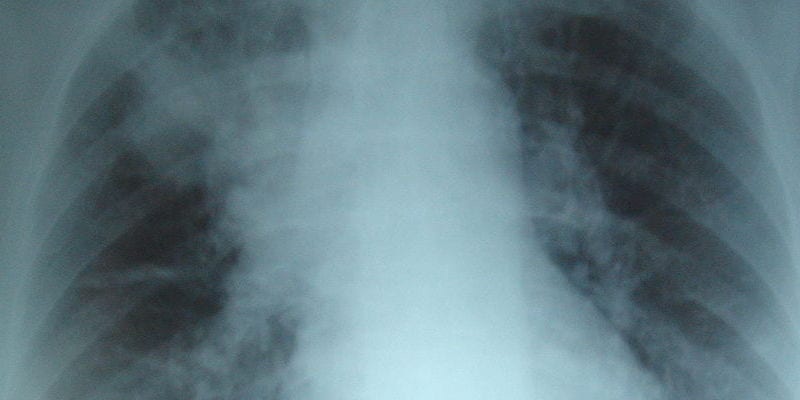
Image: PD

©2020 2 Minute Medicine, Inc. All rights reserved. No works may be reproduced without expressed written consent from 2 Minute Medicine, Inc. Inquire about licensing here. No article should be construed as medical advice and is not intended as such by the authors or by 2 Minute Medicine, Inc.


Tags: community acquired pneumoniapediatricspneumonia
Previous Post

#VisualAbstract: For-profit long term care homes associated with increased extent of COVID-19 outbreaks and related mortality

Next Post

#VisualAbstract: Better glucose control with closed-loop system in children with type 1 diabetes

RelatedReports

Parents with poor sleep quality report sleep problems in kids
Pediatrics

Melatonin use is associated with lower proportions of rapid eye movement sleep in children

August 14, 2026
Parents of children with autism report greater difficulty accessing health care
Chronic Disease

The association between parental and offspring body mass index may be due to genetic confounding

June 30, 2026
Prenatal antidepressant exposure may increase risk of poor motor development
Chronic Disease

Maternal use of benzodiazepines and non-benzodiazepine hypnotics is not associated with increased risk of psychiatric

May 6, 2026
Adolescent mothers in protective care more likely to have their children placed in care
Pediatrics

Early child-rearing conditions may improve psychosocial outcomes in adopted children compared to unadopted biological siblings

April 27, 2026
Next Post
#VisualAbstract: Better glucose control with closed-loop system in children with type 1 diabetes

#VisualAbstract: Better glucose control with closed-loop system in children with type 1 diabetes

Quick Take: Effect of Pregabalin on Radiotherapy-Related Neuropathic Pain in Patients With Head and Neck Cancer: A Randomized Controlled Trial

Incorporating pharmacists into kidney care model may reduce inappropriate prescription rates

Image-guided percutaneous drainage of pericardial effusions is safe and effective

2 Minute Medicine Rewind September 7, 2020

EvidencePulse™ by 2 Minute Medicine 2026 evidence scan 3 reports You asked top stroke trials 2026 Synthesizing medical evidence... Top 2026 stroke trial results: OCEANIC — ischemic stroke: 6.2% vs 8.4% OPTION* — mRS 0–1: 43.6% vs 34.2% ORIENTAL* — mRS 0–2: 58.6% vs 46.6% *Higher sICH in intervention arms Participants randomizedN OCEANIC 12,327 OPTION 570 ORIENTAL 564 Ask about guidelines or landmark trials... ↑ Try EvidencePulse™ Ask the evidence.
Get the signal.
Try it now → Physician-trained medical AI by 2 Minute Medicine

2MM+ All Access

Full details →
$4.99 /month

5-day free trial · cancel anytime

  • ✓100+ physician-written reports
  • ✓EvidencePulse™ + HypeCheck™
  • ✓Ad-free reading + newsletters
Start 5-day free trial

Then $4.99/month. Manage renewal in your account.

2 Minute Medicine® is an award winning, physician-run, expert medical media company. Our content is curated, written and edited by practicing health professionals who have clinical and scientific expertise in their field of reporting. Our editorial management team is comprised of highly-trained MD physicians. Join numerous brands, companies, and hospitals who trust our licensed content.

Recent Reports

  • Earlier Genetic Testing Predicts Bilateral Mastectomy in Young BRCA Carriers
  • Uterine-Sparing Mesh Repair Outperforms Hysterectomy for Prolapse
  • Daraxonrasib showed antitumor activity in previously treated RAS-mutant non–small-cell lung cancer
License Content
Terms of Use | Disclaimer
Cookie Policy
Cleantalk Pixel
  • About
  • Specialties
    • All Specialties, All Recent Reports
    • Cardiology
    • Chronic Disease
    • Dermatology
    • Emergency
    • Endocrinology
    • Gastroenterology
    • Imaging and Intervention
    • Infectious Disease
    • Nephrology
    • Neurology
    • Obstetrics
    • Oncology
    • Ophthalmology
    • Pediatrics
    • Pharma
    • Preclinical
    • Psychiatry
    • Public Health
    • Pulmonology
    • Rheumatology
    • Surgery
  • Tools
    • EvidencePulse™
    • HypeCheck™
    • NPI Registry Lookup
    • RVU Search
  • Pharma
  • AI Roundup
  • The Scan
  • Classics™
    • 2MM+ Online Access
    • Paperback and Ebook
  • Rewinds
  • Partners
    • License Content
    • Submit Press Release
    • Advertise with Us
  • Account
    • Subscribe
    • My account
    • Cart
    • Sign-in
No Result
View All Result

© 2026 2 Minute Medicine, Inc. - Physician-written medical news.

2MM+ All Access Full details →

The medical literature, distilled daily.

Monthly plan selected: $4.99 /month.

$4.99/month

5-day free trial · cancel anytime

Start 5-day free trial

Then $4.99/month. Manage renewal in your account.

Yearly plan selected: $49.90 /year.

$49.90/year

2 months free · only $4.16/month

Start 5-day free trial

Then $49.90/year. Manage renewal in your account.

Membership benefits

  • ✓100+ physician-written reports
  • ✓AI EvidencePulse™ + HypeCheck™
  • ✓Ad-free reading + newsletters

Already a member? Sign in