• About
  • Masthead
  • License Content
  • Advertise
  • Submit Press Release
  • RSS/Email List
  • 2MM Podcast
  • Write for us
  • Contact Us
2 Minute Medicine
No Result
View All Result

No products in the cart.

SUBSCRIBE
  • Specialties
    • All Specialties, All Recent Reports
    • Cardiology
    • Chronic Disease
    • Dermatology
    • Emergency
    • Endocrinology
    • Gastroenterology
    • Imaging and Intervention
    • Infectious Disease
    • Nephrology
    • Neurology
    • Obstetrics
    • Oncology
    • Ophthalmology
    • Pediatrics
    • Pharma
    • Preclinical
    • Psychiatry
    • Public Health
    • Pulmonology
    • Rheumatology
    • Surgery
  • AI EvidencePulse™
  • Pharma
  • AI News
  • The Scan+
  • Classics™+
    • 2MM+ Online Access
    • Paperback and Ebook
  • Rewinds
  • Podcasts
  • Partners
    • License Content
    • Submit Press Release
    • Advertise with Us
  • Account
    • Subscribe
    • Sign-in
    • My account
2 Minute Medicine
  • Specialties
    • All Specialties, All Recent Reports
    • Cardiology
    • Chronic Disease
    • Dermatology
    • Emergency
    • Endocrinology
    • Gastroenterology
    • Imaging and Intervention
    • Infectious Disease
    • Nephrology
    • Neurology
    • Obstetrics
    • Oncology
    • Ophthalmology
    • Pediatrics
    • Pharma
    • Preclinical
    • Psychiatry
    • Public Health
    • Pulmonology
    • Rheumatology
    • Surgery
  • AI EvidencePulse™
  • Pharma
  • AI News
  • The Scan+
  • Classics™+
    • 2MM+ Online Access
    • Paperback and Ebook
  • Rewinds
  • Podcasts
  • Partners
    • License Content
    • Submit Press Release
    • Advertise with Us
  • Account
    • Subscribe
    • Sign-in
    • My account
SUBSCRIBE
2 Minute Medicine
Subscribe
Home All Specialties Oncology

Selpercatinib in Advanced RET-Mutant Medullary Thyroid Cancer
byDaniel GoldshteinandSze Wah Samuel Chan
November 20, 2023
in Chronic Disease, Oncology
Reading Time: 3 mins read
0
Share on FacebookShare on Twitter

1. Progression-free survival was not reached in the selpercatinib group and was 16.8 months in the control group, with an HR of 0.28.

2. Adverse events grade ≥3 occurred in 52.8% in the selpercatinib group vs 76.3% in the control group.

Evidence Rating Level: 1 (Excellent)

Study Rundown: Medullary thyroid cancer is primarily caused by mutations in the RET, leading to constitutive activation of the RET kinase. Vandetanib and cabozantinib, multikinase inhibitors, are approved for treatment, but they have suboptimal RET inhibition and toxic effects. Selpercatinib, a selective and potent RET kinase inhibitor, demonstrated efficacy in nonrandomized studies. This phase 3 trial compared selpercatinib with vandetanib or cabozantinib in patients with progressive RET-mutant medullary thyroid cancer who hadn’t received kinase inhibitor treatment. The primary endpoint was progression-free survival (PFS) and secondary endpoints included treatment failure–free survival (TFFS), overall response rate (ORR), overall survival (OS), and safety. Median PFS was not reached in the selpercatinib group and was 16.8 months in the control group, with an HR of 0.28 (p<0.001). At 12 months, PFS was 86.8% in the selpercatinib group vs 65.7% in the control group. Similarly, median TFFS was not reached in the selpercatinib group and was 13.9 months in the control group, with an HR of 0.25 (p<0.001). ORR was 69.4% in the selpercatinib group vs 38.8%, with 11.9% vs 4.1% having a complete response, respectively. There was no OS data but estimates at 18 months were 95.5% in the selpercatinib group vs 92.8% in the control group. With regards to safety, adverse events grade ≥3 occurred in 52.8% in the selpercatinib group (hypertension 18.7%, increase in ALT 10.4%, increase in AST 4.7%, QT prolongation 4.7%) vs 76.3% in the control group (hypertension 17.5%, mucosal inflammation 13.4%, and palmar-plantar erythrodysesthesia syndrome 9.3%). The strengths of this study were the methodology and the limitations included the small sample size, and immature data.  Overall, this study found that selpercatinib showed improved outcomes in advanced RET-mutant medullary thyroid cancer than cabozantinib or vandetanib.

Click to read the study in NEJM

Relevant Reading: Efficacy of Selpercatinib in RET Fusion–Positive Non–Small-Cell Lung Cancer

RELATED REPORTS

Association between baseline BMI and in-hospital mortality in critically ill cardiac surgery patients: a retrospective cohort study

Wide awake local anesthesia no tourniquet (WALANT) versus ultrasound-guided axillary block in carpal tunnel release: a non-inferiority randomized controlled trial

2 Minute Medicine Rewind November 17, 2025

In-Depth [randomized controlled trial]: This open-label phase 3 trial enrolled patients (>12 years) with pathologically confirmed, unresectable, locally advanced or metastatic medullary thyroid cancer with a RET mutation and prior use of kinase inhibitors and randomized (2:1) into selpercatinib (193 patients) vs physicians choice of cabozantinib (73) or vandetanib (25). Median PFS was not reached in the selpercatinib group and was 16.8 months (95%CI, 12.2-25.1) in the control group, with an HR of 0.28 (95%CI, 0.16-0.48, p<0.001). At 12 months, PFS was 86.8% (95%CI, 79.8-91.6) in the selpercatinib group vs 65.7% (95%CI, 51.9-76.4) in the control group. Similarly, median TFFS was not reached in the selpercatinib group and was 13.9 months (95%CI, 11.3-25.1) in the control group, with an HR 0.25 (95%CI, 0.15-0.42, p<0.001). ORR was 69.4% (95%CI, 62.4-75.8) in the selpercatinib group vs 38.8% (95%CI, 29.1-49.2), with 11.9% vs 4.1% having a complete response, respectively. There was no OS data but estimates at 18 months were 95.5% (95%CI, 90.1-98.0) in the selpercatinib group vs 92.8% (95%CI, 83.0-97.1) in the control group. With regards to safety, adverse events grade ≥3 occurred in 52.8% in the selpercatinib group (hypertension 18.7%, increase in ALT 10.4%, increase in AST 4.7%, QT prolongation 4.7%) vs 76.3% in the control group (hypertension 17.5%, mucosal inflammation 13.4%, and palmar–plantar erythrodysesthesia syndrome 9.3%). Overall, this study found that selpercatinib showed improved outcomes in advanced RET-mutant medullary thyroid cancer than cabozantinib or vandetanib.

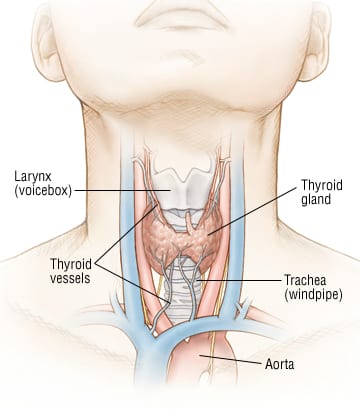
Image: PD

©2023 2 Minute Medicine, Inc. All rights reserved. No works may be reproduced without expressed written consent from 2 Minute Medicine, Inc. Inquire about licensing here. No article should be construed as medical advice and is not intended as such by the authors or by 2 Minute Medicine, Inc.


Previous Post

#VisualAbstract: Apixaban for Stroke Prevention in Subclinical Atrial Fibrillation

Next Post

Pomegranate peel extract improved the metabolic profile of patients with non-alcoholic fatty liver disease

RelatedReports

Survival greater in cervical cancer patients undergoing abdominal hysterectomy compared to minimally invasive techniques: the LACC trial
Cardiology

Association between baseline BMI and in-hospital mortality in critically ill cardiac surgery patients: a retrospective cohort study

November 17, 2025
Social networks play key roles in parental vaccination decisions
Imaging and Intervention

Wide awake local anesthesia no tourniquet (WALANT) versus ultrasound-guided axillary block in carpal tunnel release: a non-inferiority randomized controlled trial

November 17, 2025
Lariat device for left atrial appendage exclusion associated with adverse events
Weekly Rewinds

2 Minute Medicine Rewind November 17, 2025

November 17, 2025
Brain lesions on MRI linked with subsequent increased stroke risk
Chronic Disease

Diphenhydramine, Sodium Bicarbonate, or Combination for Acute Peripheral Vertigo: A Randomized Clinical Trial

November 14, 2025
Next Post
Obeticholic acid for the treatment of non-alcoholic steatohepatitis

Pomegranate peel extract improved the metabolic profile of patients with non-alcoholic fatty liver disease

Variation in NICU antibiotic use not linked to outcomes

Ceftobiprole non-inferior to daptomycin in treating Staphylococcus aureus bacteremia

Reduced gestational weight gain with lifestyle intervention

Combined aerobic and strength training most effective for improving diabetes outcomes

2 Minute Medicine® is an award winning, physician-run, expert medical media company. Our content is curated, written and edited by practicing health professionals who have clinical and scientific expertise in their field of reporting. Our editorial management team is comprised of highly-trained MD physicians. Join numerous brands, companies, and hospitals who trust our licensed content.

Recent Reports

  • Association between baseline BMI and in-hospital mortality in critically ill cardiac surgery patients: a retrospective cohort study
  • Wide awake local anesthesia no tourniquet (WALANT) versus ultrasound-guided axillary block in carpal tunnel release: a non-inferiority randomized controlled trial
  • 2 Minute Medicine Rewind November 17, 2025
License Content
Terms of Use | Disclaimer
Cookie Policy
Privacy Statement (EU)
Disclaimer

© 2025 2 Minute Medicine, Inc. - Physician-written medical news.

  • Specialties
    • All Specialties, All Recent Reports
    • Cardiology
    • Chronic Disease
    • Dermatology
    • Emergency
    • Endocrinology
    • Gastroenterology
    • Imaging and Intervention
    • Infectious Disease
    • Nephrology
    • Neurology
    • Obstetrics
    • Oncology
    • Ophthalmology
    • Pediatrics
    • Pharma
    • Preclinical
    • Psychiatry
    • Public Health
    • Pulmonology
    • Rheumatology
    • Surgery
  • AI EvidencePulse™
  • Pharma
  • AI News
  • The Scan
  • Classics™
    • 2MM+ Online Access
    • Paperback and Ebook
  • Rewinds
  • Podcasts
  • Partners
    • License Content
    • Submit Press Release
    • Advertise with Us
  • Account
    • Subscribe
    • Sign-in
    • My account
No Result
View All Result

© 2025 2 Minute Medicine, Inc. - Physician-written medical news.