• About
  • Masthead
  • License Content
  • Advertise
  • Submit Press Release
  • RSS/Email List
  • 2MM Podcast
  • Write for us
  • Contact Us
2 Minute Medicine
No Result
View All Result

No products in the cart.

SUBSCRIBE
  • About
  • Specialties
    • All Specialties, All Recent Reports
    • Cardiology
    • Chronic Disease
    • Dermatology
    • Emergency
    • Endocrinology
    • Gastroenterology
    • Imaging and Intervention
    • Infectious Disease
    • Nephrology
    • Neurology
    • Obstetrics
    • Oncology
    • Ophthalmology
    • Pediatrics
    • Pharma
    • Preclinical
    • Psychiatry
    • Public Health
    • Pulmonology
    • Rheumatology
    • Surgery
  • Tools+
    • EvidencePulse™
    • HypeCheck™
    • NPI Registry Lookup
    • RVU Search
  • Pharma
  • AI Roundup
  • The Scan+
  • Classics™+
    • 2MM+ Online Access
    • Paperback and Ebook
  • Rewinds
  • Partners
    • License Content
    • Submit Press Release
    • Advertise with Us
  • Account
    • Subscribe
    • My account
    • Cart
    • Sign-in
2 Minute Medicine
  • About
  • Specialties
    • All Specialties, All Recent Reports
    • Cardiology
    • Chronic Disease
    • Dermatology
    • Emergency
    • Endocrinology
    • Gastroenterology
    • Imaging and Intervention
    • Infectious Disease
    • Nephrology
    • Neurology
    • Obstetrics
    • Oncology
    • Ophthalmology
    • Pediatrics
    • Pharma
    • Preclinical
    • Psychiatry
    • Public Health
    • Pulmonology
    • Rheumatology
    • Surgery
  • Tools+
    • EvidencePulse™
    • HypeCheck™
    • NPI Registry Lookup
    • RVU Search
  • Pharma
  • AI Roundup
  • The Scan+
  • Classics™+
    • 2MM+ Online Access
    • Paperback and Ebook
  • Rewinds
  • Partners
    • License Content
    • Submit Press Release
    • Advertise with Us
  • Account
    • Subscribe
    • My account
    • Cart
    • Sign-in
SUBSCRIBE
2 Minute Medicine
Subscribe
EvidencePulse™ by 2 Minute Medicine 2026 evidence scan 3 reports You asked top stroke trials 2026 Synthesizing medical evidence... Top 2026 stroke trial results: OCEANIC — ischemic stroke: 6.2% vs 8.4% OPTION* — mRS 0–1: 43.6% vs 34.2% ORIENTAL* — mRS 0–2: 58.6% vs 46.6% *Higher sICH in intervention arms Participants randomizedN OCEANIC 12,327 OPTION 570 ORIENTAL 564 Ask about guidelines or landmark trials... ↑ Try EvidencePulse™ Ask the evidence.
Get the signal.
Try it now → Physician-trained medical AI by 2 Minute Medicine
Home All Specialties Cardiology

Mazdutide significantly reduces weight in adults with overweight or obesity
byMichaela DowlingandKiera Liblik
July 11, 2025
in Cardiology, Chronic Disease, Endocrinology
Reading Time: 3 mins read
Increasing maternal BMI linked to higher risk of cerebral palsy
Share on FacebookShare on Twitter

1. In this randomized controlled trial, weekly administration of Mazdutide resulted in significant weight reduction in adults classified as overweight or obese.

2. The most common side effect was gastrointestinal upset; however, discontinuation rates among those receiving Mazdutide were comparable to placebo.

Evidence Rating Level: 1 (Excellent)

Study Rundown: Obesity (BMI >28) and overweight (BMI 24 to <28) are well-known risk factors for multiple comorbidities. Although glucagon receptor antagonists lower blood glucose, they can cause dyslipidemia, weight gain, and hepatic steatosis. This has led to growing interest in dual GLP-1/glucagon receptor agonists, which may better support weight loss and hepatic lipolysis. Mazdutide, a once-weekly dual GLP-1/glucagon agonist, showed promising weight reduction in phase two trials involving individuals with type 2 diabetes. This phase three trial evaluated the long-term efficacy and safety of Mazdutide in Chinese adults with overweight or obesity and at least one comorbidity. Participants were randomized to receive a placebo, 4 mg of Mazdutide, or 6 mg of Mazdutide. At 32 weeks, both Mazdutide groups showed significantly greater weight loss than placebo. Although the 6 mg group had a slightly larger reduction than the 4 mg group, the difference was not statistically significant. A greater proportion of participants in both treatment arms achieved ≥5% weight loss. By week 48, both doses of Mazdutide remained superior to placebo in body weight reduction, waist circumference, and the proportion achieving ≥5%, ≥10%, and ≥15% weight loss. It also significantly improved cardiometabolic markers, including systolic blood pressure, triglycerides, LDL cholesterol, serum uric acid, and ALT. Gastrointestinal side effects were the most frequent adverse events. However, discontinuation rates were lowest in the 6 mg group. Although limited by a homogeneous study population and short off-treatment follow-up, the findings support Mazdutide’s safety and efficacy for weight management.

Click here to read the study in NEJM

In-Depth [randomized controlled trial]: This randomized controlled trial evaluated the efficacy of Mazdutide, a once-weekly dual GLP-1/glucagon receptor agonist, for sustained weight reduction. Chinese adults aged 18–75 with overweight (BMI 24 to <28) or obesity (BMI >28) and at least one comorbidity (e.g., prediabetes, hypertension, dyslipidemia, fatty liver disease, joint pain, dyspnea, or sleep apnea) were eligible. Key exclusion criteria included weight fluctuations >5% in the prior 12 weeks, a positive pregnancy test, or breastfeeding. A total of 610 participants were randomized to receive placebo (n = 205), 4 mg Mazdutide (n = 203), or 6 mg Mazdutide (n = 202). At 32 weeks, the primary outcomes were percent weight reduction from baseline and the proportion achieving ≥5% weight loss. Both Mazdutide doses showed significantly greater weight loss from baseline than placebo: 12.55% (95% CI, 13.64 to 11.45) for 6 mg and 10.09% (95% CI, 11.15 to 9.04) for 4 mg (p < 0.001 for both). Only 10.5% of the placebo group achieved ≥5% weight loss, compared to 82.0% (95% CI, 76.7–87.4) in the 6 mg group and 73.9% (95% CI, 67.8–79.9) in the 4 mg group (p < 0.001). At 48 weeks, the 6 mg group remained superior to placebo across secondary outcomes, including percent weight change (-14.01% vs. 0.30%), waist circumference reduction (-10.72 cm vs. -1.41 cm), and the proportion achieving ≥5% (81.6% vs. 10.8%), ≥10% (66.7% vs. 2.6%), and ≥15% (49.5% vs. 2.0%) weight loss. The 4 mg dose also demonstrated significant improvements in these secondary outcomes compared to placebo. Additionally, Mazdutide significantly reduced systolic blood pressure, triglycerides, total cholesterol, LDL, serum uric acid, and ALT (all p < 0.001). Adverse events were common but comparable across groups (96.1% for 4 mg, 97.0% for 6 mg, and 89.3% for placebo), with nausea being most frequent (32.5% for 4 mg and 50.5% for 6 mg). In summary, this study supports the efficacy and tolerability of both 4 mg and 6 mg Mazdutide for weight management in adults with overweight or obesity.

RELATED REPORTS

Chronic exposure to particulate matter is associated with increased cardiovascular risk

The mortality in-hospital for patients undergoing elective catheter ablation for atrial fibrillation is low

A healthy lifestyle may reduce risk of infection in patients with type 2 diabetes

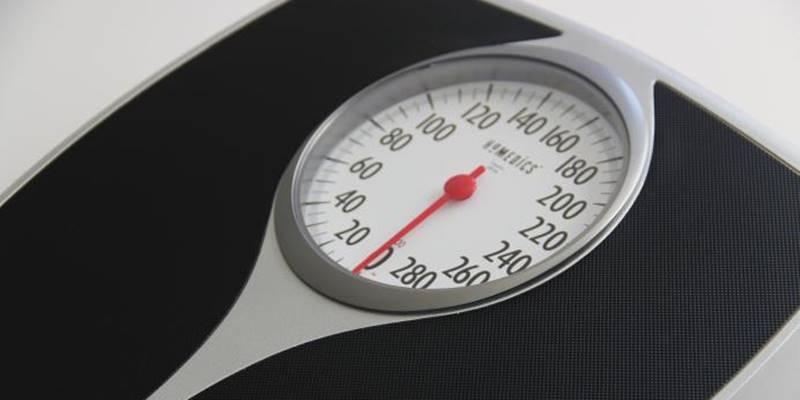
Image: PD

©2025 2 Minute Medicine, Inc. All rights reserved. No works may be reproduced without expressed written consent from 2 Minute Medicine, Inc. Inquire about licensing here. No article should be construed as medical advice and is not intended as such by the authors or by 2 Minute Medicine, Inc.

Tags: cardiologychronic diseaseendocrinologyMazdutideobesityprimary care
Previous Post

Oral vancomycin may be effective for pouchitis in inflammatory bowel disease

Next Post

Nerandomilast slows decline in FVC in idiopathic pulmonary fibrosis

RelatedReports

Cardiology

Chronic exposure to particulate matter is associated with increased cardiovascular risk

September 10, 2026
Rivaroxaban likely reduces risk of recurrent stroke in specific subgroup of patients with embolic stroke of undetermined source
Cardiology

The mortality in-hospital for patients undergoing elective catheter ablation for atrial fibrillation is low

September 4, 2026
Reduced gestational weight gain with lifestyle intervention
Chronic Disease

A healthy lifestyle may reduce risk of infection in patients with type 2 diabetes

September 2, 2026
Increasing maternal BMI linked to higher risk of cerebral palsy
Endocrinology

Newer GLP-1 agents yield substantial weight loss in nondiabetic adults

August 31, 2026
Next Post
Multiple-electrode switching radiofrequency ablation may successfully treat lung tumors

Nerandomilast slows decline in FVC in idiopathic pulmonary fibrosis

SGLT2 inhibitors may delay cognitive impairment in elderly patients with heart failure

Living in a marginalized neighbourhood is associated with worse outcomes in patients with myocardial infarction

EvidencePulse™ by 2 Minute Medicine 2026 evidence scan 3 reports You asked top stroke trials 2026 Synthesizing medical evidence... Top 2026 stroke trial results: OCEANIC — ischemic stroke: 6.2% vs 8.4% OPTION* — mRS 0–1: 43.6% vs 34.2% ORIENTAL* — mRS 0–2: 58.6% vs 46.6% *Higher sICH in intervention arms Participants randomizedN OCEANIC 12,327 OPTION 570 ORIENTAL 564 Ask about guidelines or landmark trials... ↑ Try EvidencePulse™ Ask the evidence.
Get the signal.
Try it now → Physician-trained medical AI by 2 Minute Medicine

2MM+ All Access

Full details →
$4.99 /month

5-day free trial · cancel anytime

  • ✓100+ physician-written reports
  • ✓EvidencePulse™ + HypeCheck™
  • ✓Ad-free reading + newsletters
Start 5-day free trial

Then $4.99/month. Manage renewal in your account.

2 Minute Medicine® is an award winning, physician-run, expert medical media company. Our content is curated, written and edited by practicing health professionals who have clinical and scientific expertise in their field of reporting. Our editorial management team is comprised of highly-trained MD physicians. Join numerous brands, companies, and hospitals who trust our licensed content.

Recent Reports

  • Daraxonrasib extends survival in metastatic pancreatic cancer
  • Artificial intelligence (AI) scribes showed mixed effects on documentation time and improvements in physician well-being
  • A lower threshold for referral to the emergency department for outpatient hyperkalemia may reduce mortality
License Content
Terms of Use | Disclaimer
Cookie Policy
Cleantalk Pixel
2MM+ All Access Full details →

The medical literature, distilled daily.

Monthly plan selected: $4.99 /month.

$4.99/month

5-day free trial · cancel anytime

Start 5-day free trial

Then $4.99/month. Manage renewal in your account.

Yearly plan selected: $49.90 /year.

$49.90/year

2 months free · only $4.16/month

Start 5-day free trial

Then $49.90/year. Manage renewal in your account.

Membership benefits

  • ✓100+ physician-written reports
  • ✓AI EvidencePulse™ + HypeCheck™
  • ✓Ad-free reading + newsletters

Already a member? Sign in

  • About
  • Specialties
    • All Specialties, All Recent Reports
    • Cardiology
    • Chronic Disease
    • Dermatology
    • Emergency
    • Endocrinology
    • Gastroenterology
    • Imaging and Intervention
    • Infectious Disease
    • Nephrology
    • Neurology
    • Obstetrics
    • Oncology
    • Ophthalmology
    • Pediatrics
    • Pharma
    • Preclinical
    • Psychiatry
    • Public Health
    • Pulmonology
    • Rheumatology
    • Surgery
  • Tools
    • EvidencePulse™
    • HypeCheck™
    • NPI Registry Lookup
    • RVU Search
  • Pharma
  • AI Roundup
  • The Scan
  • Classics™
    • 2MM+ Online Access
    • Paperback and Ebook
  • Rewinds
  • Partners
    • License Content
    • Submit Press Release
    • Advertise with Us
  • Account
    • Subscribe
    • My account
    • Cart
    • Sign-in
No Result
View All Result

© 2026 2 Minute Medicine, Inc. - Physician-written medical news.