• About
  • Masthead
  • License Content
  • Advertise
  • Submit Press Release
  • RSS/Email List
  • 2MM Podcast
  • Write for us
  • Contact Us
2 Minute Medicine
No Result
View All Result

No products in the cart.

SUBSCRIBE
  • Specialties
    • All Specialties, All Recent Reports
    • Cardiology
    • Chronic Disease
    • Dermatology
    • Emergency
    • Endocrinology
    • Gastroenterology
    • Imaging and Intervention
    • Infectious Disease
    • Nephrology
    • Neurology
    • Obstetrics
    • Oncology
    • Ophthalmology
    • Pediatrics
    • Pharma
    • Preclinical
    • Psychiatry
    • Public Health
    • Pulmonology
    • Rheumatology
    • Surgery
  • Tools
    • EvidencePulse™
    • RVU Search
    • NPI Registry Lookup
  • Pharma
  • AI News
  • The Scan+
  • Classics™+
    • 2MM+ Online Access
    • Paperback and Ebook
  • Rewinds
  • Partners
    • License Content
    • Submit Press Release
    • Advertise with Us
  • Account
    • Subscribe
    • Sign-in
    • My account
2 Minute Medicine
  • Specialties
    • All Specialties, All Recent Reports
    • Cardiology
    • Chronic Disease
    • Dermatology
    • Emergency
    • Endocrinology
    • Gastroenterology
    • Imaging and Intervention
    • Infectious Disease
    • Nephrology
    • Neurology
    • Obstetrics
    • Oncology
    • Ophthalmology
    • Pediatrics
    • Pharma
    • Preclinical
    • Psychiatry
    • Public Health
    • Pulmonology
    • Rheumatology
    • Surgery
  • Tools
    • EvidencePulse™
    • RVU Search
    • NPI Registry Lookup
  • Pharma
  • AI News
  • The Scan+
  • Classics™+
    • 2MM+ Online Access
    • Paperback and Ebook
  • Rewinds
  • Partners
    • License Content
    • Submit Press Release
    • Advertise with Us
  • Account
    • Subscribe
    • Sign-in
    • My account
SUBSCRIBE
2 Minute Medicine
Subscribe
Home All Specialties Chronic Disease

Semaglutide results in better glycemic control than placebo in diabetes

bySusy LamandMichael Milligan
October 19, 2017
in Chronic Disease, Endocrinology, Public Health
Reading Time: 4 mins read
0
Share on FacebookShare on Twitter

1. This randomized clinical trial showed that, among patients with type 2 diabetes, oral semaglutide resulted in better glycemic control compared to placebo over 26 weeks.

2. A decrease in mean HBA1C in the subcutaneous semaglutide group was also significantly greater than the placebo group.

Evidence Rating Level: 1 (Excellent)

Study Rundown: Glucagon-like peptide-1 (GLP-1) receptor antagonists have expanded the range of diabetes treatment options, and now, the first oral GLP-1 analog—semaglutide in tablet form—is in clinical development. Despite the availability of multiple type 2 diabetes mellitus (T2DM) treatments, physicians and patients must carefully consider the risks and adverse effects (hypoglycemia, weight gain) of any specific therapy. GLP-1 receptor antagonists have a relatively lower risk of hypoglycemia compared to other agents, and provide weight loss by reducing appetite and energy intake. This study had 2 aims: (1) to characterize the dose-response relationship of oral semaglutide, and (2) to test the effectiveness of glycemic control with once-weekly subcutaneous semaglutide. It found that all dosages of oral semaglutide, as well as subcutaneous semaglutide, led to significantly reduced mean HbA1C levels compared to placebo after 26 weeks of administration, in a dose-dependent manner. There was a significant amount of weight loss over the trial period, with the proportion of patients reaching 5% weight loss being significantly greater in the oral semaglutide dosage groups of 10 mg and higher. There was a larger proportion of patients reporting gastrointestinal adverse events in both the oral and subcutaneous semaglutide groups compared to placebo. There was no significant difference in hypoglycemic episodes between treatment and placebo groups.

There are a few limitations to the study. First, the duration of the study is relatively short. Longer-term data will provide more information regarding safety, efficacy, and durability of semaglutide for diabetes management. Second, there were no adjustments made in the statistical analyses for multiplicity, which may contribute to type 1 error. Third, the use of placebo instead of the gold standard treatment highlights changes in HbA1c levels well, but perhaps the study could be more powerful if the first line treatment (metformin) for T2DM was used as a comparison instead. Overall, this study provides evidence that both oral and subcutaneous Semaglutide improves glycemic control in patients with T2DM over a 26 week period

Click to read the study in JAMA

RELATED REPORTS

Lilly’s retatrutide achieves significant weight loss and A1C reduction in Phase 3 trial

2 Minute Medicine: Pharma Roundup – Pfizer’s Talzenna delays prostate cancer progression, apixaban lowers VTE bleeding risk, Lilly’s retatrutide hits Phase III metabolic targets, and FDA warns Novo Nordisk over safety reporting violations [March 2026]

Dipeptidyl peptidase-4 inhibitors may be associated with an increased incidence of malignancy

Relevant Reading: Glucagon-like peptide 1 promotes satiety and suppresses energy intake in humans.

In-Depth [randomized control study]: This randomized clinical trial studied the dose-response relationship for oral semaglutide in patients with T2DM and poor glycemic control. The study also included an open label study of subcutaneous injections of semaglutide in T2DM patients for glycemic control. Adult patients with T2DM and insufficient glycemic control (HbA1C level 7.0%-9.5%) on diet and exercise alone, or with a stable dose of at least 1 month of metformin, were enrolled at 100 sites across 14 countries. This 26-week, randomized, parallel group, phase 2, dosage finding trial, divided patients into multiple dose-response groups of once daily oral semaglutide, compared to placebo. As well, an open label, once-weekly subcutaneous injection of semaglutide was included in the randomization for these patients with T2DM. Primary endpoints were change in HbA1C level at week 26 compared to baseline, and secondary endpoints were the proportion of patients achieving HbA1c target level of less than 7.0%; change in baseline in fasting plasma glucose and body weight; percent of patients achieving 5% or more of body weight reductions; among other measures. Safety endpoints included the number of treatment emergent adverse events and severe hypoglycemic episodes recorded from baseline until week 31.

A total of 632 patients with T2DM meeting the enrollment criteria were randomized into the study, with 70 patients randomized into each oral semaglutide dosage group (placebo, 2.5, 5, 10, 20mg, etc.). Additionally, the 210 patients receiving the highest dose of semaglutide (70 in each group of: 40 mg, standard dose escalation; 40 mg, 8-week dose escalation; 40 mg, 2-week dose escalation); were randomized to receive a weekly 1 mg subcutaneous injection of semaglutide. All dosages of oral semaglutide reduced mean HbA1c level more than placebo by week 26 in a dose-dependent manner: ETDs for dosage-dependent oral semaglutide vs placebo were −0.4% (95%CI –0.7% to –0.1% for the 2.5-mg group; –0.9%, 95%CI –1.2% to –0.6% for the 5-mg group; –1.2%, 95%CI –1.5% to –0.9% for the 10-mg group; –1.4%, 95%CI –1.7% to –1.1% for the 20-mg group; and –1.6%, 95%CI –1.9% to –1.3% for the 40-mg standard escalation group; p = 0.007 for the 2.5-mg group, p < 0.001 for other dosages). The proportion of patients achieving 5% weight loss was significantly greater for oral semaglutide dosage groups of 10-mg and higher (p < 0.001; 10-mg group: 38 of 69 patients [56%], RR, 4.1 [95%CI 2.2 to 7.6]; 20-mg group: 45 of 70 patients [64%], RR, 5.2 [95%CI 2.8 to 9.6]; 40-mg standard escalation group: 50 of 71 patients [71%], RR, 5.4 [95%CI 9.2 to 9.9]) vs the placebo group (9 of 71 patients [13%]), and the subcutaneous semaglutide (45 of 69 patients [66%], RR, 5.2 [95%CI 2.8 to 9.6], p < 0.001). In terms of adverse events, gastrointestinal events were the most common: the proportion of patients reporting gastrointestinal events was higher with oral semaglutide (31%-77%; 255 of 490 patients) and subcutaneous semaglutide (54%; 37 of 69 patients) than with placebo (28%; 20 of 71 patients). The overall number of hypoglycemic episodes was low and similar for oral semaglutide, subcutaneous semaglutide, and placebo.

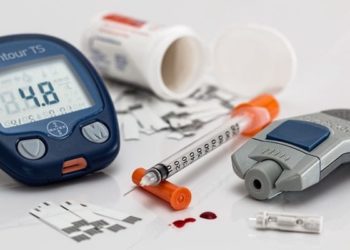
Image: PD

©2017 2 Minute Medicine, Inc. All rights reserved. No works may be reproduced without expressed written consent from 2 Minute Medicine, Inc. Inquire about licensing here. No article should be construed as medical advice and is not intended as such by the authors or by 2 Minute Medicine, Inc.


Tags: diabetes mellitustype 2 diabetes
Previous Post

Nearly half of potentially preventable Medicare spending focused on frail elderly patients

Next Post

Blood transfusions from ever-pregnant donors may increase mortality in male patients

RelatedReports

Sleep duration inversely related to childhood type 2 diabetes risk makers
Cardiology

Lilly’s retatrutide achieves significant weight loss and A1C reduction in Phase 3 trial

April 3, 2026
2 Minute Medicine: Pharma Roundup: Price Hikes, Breakthrough Approvals, Legal Showdowns, Biotech Expansion, and Europe’s Pricing Debate [May 12nd, 2025]
Endocrinology

2 Minute Medicine: Pharma Roundup – Pfizer’s Talzenna delays prostate cancer progression, apixaban lowers VTE bleeding risk, Lilly’s retatrutide hits Phase III metabolic targets, and FDA warns Novo Nordisk over safety reporting violations [March 2026]

March 30, 2026
Intrapartum serum prolactin may predict risk of postpartum diabetes
Chronic Disease

Dipeptidyl peptidase-4 inhibitors may be associated with an increased incidence of malignancy

March 26, 2026
Risk of autism in offspring linked to maternal pregestational diabetes and severe obesity
Weekly Rewinds

2 Minute Medicine Rewind March 23, 2026

March 23, 2026
Next Post
History of maternal anorexia linked to small infant size

Blood transfusions from ever-pregnant donors may increase mortality in male patients

Quality improvement intervention decreases time to antibiotics in children with intestinal failure and fever

Quality improvement intervention decreases time to antibiotics in children with intestinal failure and fever

Late gestation antidepressant use linked to postpartum hemorrhage

Lifestyle factors important in subsequent cardiovascular risk for women with gestational diabetes

2 Minute Medicine® is an award winning, physician-run, expert medical media company. Our content is curated, written and edited by practicing health professionals who have clinical and scientific expertise in their field of reporting. Our editorial management team is comprised of highly-trained MD physicians. Join numerous brands, companies, and hospitals who trust our licensed content.

Recent Reports

  • A multidisciplinary home-based intervention may reduce risk of falls after stroke
  • Prednisone may have bone and cardiovascular benefits compared to hydrocortisone therapy in adrenal insufficiency
  • Lilly’s retatrutide achieves significant weight loss and A1C reduction in Phase 3 trial
License Content
Terms of Use | Disclaimer
Cookie Policy
Privacy Statement (EU)
Disclaimer

The Classics in Medicine Paperback Released!

Over the past 30 years, the transition from print to digital media has contributed to an exponential increase in medical literature. In response, 2 Minute Medicine presents 160+ authoritative, physician-written summaries of the most cited landmark trials in medicine.

amazon-logo_blackGet-it-on-iBooks-badge

Click anywhere to close this announcement

  • Specialties
    • All Specialties, All Recent Reports
    • Cardiology
    • Chronic Disease
    • Dermatology
    • Emergency
    • Endocrinology
    • Gastroenterology
    • Imaging and Intervention
    • Infectious Disease
    • Nephrology
    • Neurology
    • Obstetrics
    • Oncology
    • Ophthalmology
    • Pediatrics
    • Pharma
    • Preclinical
    • Psychiatry
    • Public Health
    • Pulmonology
    • Rheumatology
    • Surgery
  • Tools
    • EvidencePulse™
    • RVU Search
    • NPI Registry Lookup
  • Pharma
  • AI News
  • The Scan
  • Classics™
    • 2MM+ Online Access
    • Paperback and Ebook
  • Rewinds
  • Partners
    • License Content
    • Submit Press Release
    • Advertise with Us
  • Account
    • Subscribe
    • Sign-in
    • My account
No Result
View All Result

© 2026 2 Minute Medicine, Inc. - Physician-written medical news.