• About
  • Masthead
  • License Content
  • Advertise
  • Submit Press Release
  • RSS/Email List
  • 2MM Podcast
  • Write for us
  • Contact Us
2 Minute Medicine
No Result
View All Result

No products in the cart.

SUBSCRIBE
  • Specialties
    • All Specialties, All Recent Reports
    • Cardiology
    • Chronic Disease
    • Dermatology
    • Emergency
    • Endocrinology
    • Gastroenterology
    • Imaging and Intervention
    • Infectious Disease
    • Nephrology
    • Neurology
    • Obstetrics
    • Oncology
    • Ophthalmology
    • Pediatrics
    • Pharma
    • Preclinical
    • Psychiatry
    • Public Health
    • Pulmonology
    • Rheumatology
    • Surgery
  • Tools
    • EvidencePulse™
    • RVU Search
    • NPI Registry Lookup
  • Pharma
  • AI News
  • The Scan+
  • Classics™+
    • 2MM+ Online Access
    • Paperback and Ebook
  • Rewinds
  • Partners
    • License Content
    • Submit Press Release
    • Advertise with Us
  • Account
    • Subscribe
    • Sign-in
    • My account
2 Minute Medicine
  • Specialties
    • All Specialties, All Recent Reports
    • Cardiology
    • Chronic Disease
    • Dermatology
    • Emergency
    • Endocrinology
    • Gastroenterology
    • Imaging and Intervention
    • Infectious Disease
    • Nephrology
    • Neurology
    • Obstetrics
    • Oncology
    • Ophthalmology
    • Pediatrics
    • Pharma
    • Preclinical
    • Psychiatry
    • Public Health
    • Pulmonology
    • Rheumatology
    • Surgery
  • Tools
    • EvidencePulse™
    • RVU Search
    • NPI Registry Lookup
  • Pharma
  • AI News
  • The Scan+
  • Classics™+
    • 2MM+ Online Access
    • Paperback and Ebook
  • Rewinds
  • Partners
    • License Content
    • Submit Press Release
    • Advertise with Us
  • Account
    • Subscribe
    • Sign-in
    • My account
SUBSCRIBE
2 Minute Medicine
Subscribe
Home All Specialties Chronic Disease

Several serum proteins may provide prognostic value in metabolic dysfunction-associated steatotic liver disease
byPaary BalakumarandSimon Pan
April 23, 2026
in Chronic Disease, Endocrinology, Gastroenterology
Reading Time: 2 mins read
0
Share on FacebookShare on Twitter

1. Distinct circulating and hepatic molecular signatures appear to track metabolic dysfunction-associated steatotic liver disease progression.

2. Serum proteins showed concordant liver transcriptomic changes in steatohepatitis and fibrosis-related markers such as gelsolin and lumican remained consistent across multiple cohorts, supporting their potential as noninvasive biomarkers and therapeutic targets.

Evidence Rating Level: 2 (Good) 

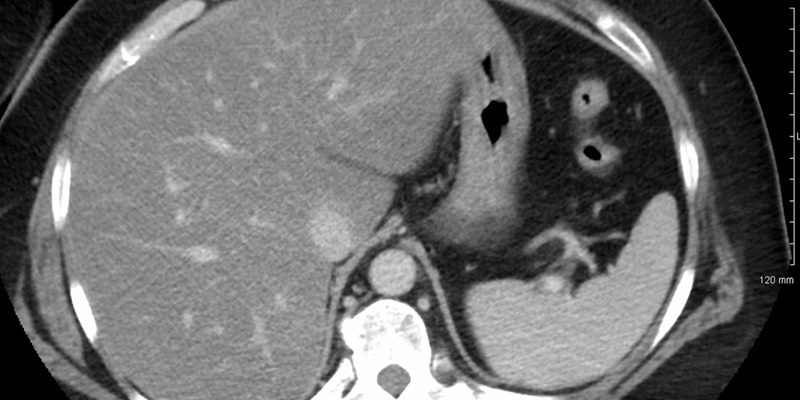
This multi-cohort study examined whether circulating protein signatures correspond to intrahepatic molecular changes across the spectrum of metabolic dysfunction-associated steatotic liver disease. The rationale was that blood-based proteomics may help identify clinically useful noninvasive biomarkers, but prior studies have rarely linked serum findings directly to hepatic gene expression. Investigators analyzed serum proteomics in two population-based cohorts from the Guangzhou Nutrition and Health Study: a cross-sectional magnetic resonance imaging cohort of 1,048 participants, including 428 with simple steatosis, and a prospective cohort of 2,945 participants followed for a median of 9.8 years, in which incident steatosis was identified by ultrasonography. They then assessed liver transcriptomics in a biopsy-based Chinese steatohepatitis cohort of 94 patients and validated hepatic gene signatures in independent Japanese and German cohorts. Serum proteomics identified several proteins associated with steatosis risk, including higher C3, C9, F9, vitronectin, and afamin, and lower sex hormone-binding globulin, apolipoprotein D, and apolipoprotein F. Hepatic transcriptomics showed that progression to steatohepatitis was associated with downregulation of complement-related genes and apolipoprotein F, while fibrosis was linked to increased alpha-2-macroglobulin, gelsolin, and lumican. These fibrosis-related signatures were reproduced across external cohorts. Overall, the study suggests that distinct serum and hepatic molecular signatures may support disease stratification, mechanistic insight, and future biomarker or therapeutic development in steatotic liver disease.

Click here to read the study in BMC Medicine

Image: PD

RELATED REPORTS

2 Minute Medicine Rewind April 20, 2026

Maternal prothrombin time may be an effective marker for neonatal sepsis risk stratification

Mobile telemedicine is associated with higher chances of initiating hepatitis C virus treatment in intravenous drug users with chronic hepatitis C

©2026 2 Minute Medicine, Inc. All rights reserved. No works may be reproduced without expressed written consent from 2 Minute Medicine, Inc. Inquire about licensing here. No article should be construed as medical advice and is not intended as such by the authors or by 2 Minute Medicine, Inc. 
Tags: biomarker stratificationGastroenterologyhepatologymetabolic dysfunction-associated steatotic liver disease
Previous Post

Small-bites fascial closure reduces long-term risk of incisional hernia after midline laparotomy

RelatedReports

Non-alcoholic fatty liver disease and risk of incident acute myocardial infarction and stroke: findings from matched cohort study of 18 million European adults
Weekly Rewinds

2 Minute Medicine Rewind April 20, 2026

April 20, 2026
Obstetric scoring systems overestimate cases of severe sepsis
All Specialties

Maternal prothrombin time may be an effective marker for neonatal sepsis risk stratification

March 25, 2026
Screening insufficient for newborns exposed to hepatitis C virus
Chronic Disease

Mobile telemedicine is associated with higher chances of initiating hepatitis C virus treatment in intravenous drug users with chronic hepatitis C

February 2, 2026
2MM: AI Roundup- AI Cancer Test, Smarter Hospitals, Faster Drug Discovery, and Mental Health Tech [May 2nd, 2025]
AI Roundup

2MM: AI Roundup – Lilly and NVIDIA’s $1B AI lab, Illumina’s Billion Cell Atlas, AstraZeneca’s Modella deal, and Claude for Healthcare [Jan 19th, 2026]

January 19, 2026

2 Minute Medicine® is an award winning, physician-run, expert medical media company. Our content is curated, written and edited by practicing health professionals who have clinical and scientific expertise in their field of reporting. Our editorial management team is comprised of highly-trained MD physicians. Join numerous brands, companies, and hospitals who trust our licensed content.

Recent Reports

  • Several serum proteins may provide prognostic value in metabolic dysfunction-associated steatotic liver disease
  • Small-bites fascial closure reduces long-term risk of incisional hernia after midline laparotomy
  • TikTok “Fibermaxxing” trend targets gut microbiome health
License Content
Terms of Use | Disclaimer
Cookie Policy
Privacy Statement (EU)
Disclaimer

The Classics in Medicine Paperback Released!

Over the past 30 years, the transition from print to digital media has contributed to an exponential increase in medical literature. In response, 2 Minute Medicine presents 160+ authoritative, physician-written summaries of the most cited landmark trials in medicine.

amazon-logo_blackGet-it-on-iBooks-badge

Click anywhere to close this announcement

  • Specialties
    • All Specialties, All Recent Reports
    • Cardiology
    • Chronic Disease
    • Dermatology
    • Emergency
    • Endocrinology
    • Gastroenterology
    • Imaging and Intervention
    • Infectious Disease
    • Nephrology
    • Neurology
    • Obstetrics
    • Oncology
    • Ophthalmology
    • Pediatrics
    • Pharma
    • Preclinical
    • Psychiatry
    • Public Health
    • Pulmonology
    • Rheumatology
    • Surgery
  • Tools
    • EvidencePulse™
    • RVU Search
    • NPI Registry Lookup
  • Pharma
  • AI News
  • The Scan
  • Classics™
    • 2MM+ Online Access
    • Paperback and Ebook
  • Rewinds
  • Partners
    • License Content
    • Submit Press Release
    • Advertise with Us
  • Account
    • Subscribe
    • Sign-in
    • My account
No Result
View All Result

© 2026 2 Minute Medicine, Inc. - Physician-written medical news.