• About
  • Masthead
  • License Content
  • Advertise
  • Submit Press Release
  • RSS/Email List
  • 2MM Podcast
  • Write for us
  • Contact Us
2 Minute Medicine
No Result
View All Result

No products in the cart.

SUBSCRIBE
  • Specialties
    • All Specialties, All Recent Reports
    • Cardiology
    • Chronic Disease
    • Dermatology
    • Emergency
    • Endocrinology
    • Gastroenterology
    • Imaging and Intervention
    • Infectious Disease
    • Nephrology
    • Neurology
    • Obstetrics
    • Oncology
    • Ophthalmology
    • Pediatrics
    • Pharma
    • Preclinical
    • Psychiatry
    • Public Health
    • Pulmonology
    • Rheumatology
    • Surgery
  • Tools
    • EvidencePulse™
    • RVU Search
    • NPI Registry Lookup
  • Pharma
  • AI News
  • The Scan+
  • Classics™+
    • 2MM+ Online Access
    • Paperback and Ebook
  • Rewinds
  • Partners
    • License Content
    • Submit Press Release
    • Advertise with Us
  • Account
    • Subscribe
    • Sign-in
    • My account
2 Minute Medicine
  • Specialties
    • All Specialties, All Recent Reports
    • Cardiology
    • Chronic Disease
    • Dermatology
    • Emergency
    • Endocrinology
    • Gastroenterology
    • Imaging and Intervention
    • Infectious Disease
    • Nephrology
    • Neurology
    • Obstetrics
    • Oncology
    • Ophthalmology
    • Pediatrics
    • Pharma
    • Preclinical
    • Psychiatry
    • Public Health
    • Pulmonology
    • Rheumatology
    • Surgery
  • Tools
    • EvidencePulse™
    • RVU Search
    • NPI Registry Lookup
  • Pharma
  • AI News
  • The Scan+
  • Classics™+
    • 2MM+ Online Access
    • Paperback and Ebook
  • Rewinds
  • Partners
    • License Content
    • Submit Press Release
    • Advertise with Us
  • Account
    • Subscribe
    • Sign-in
    • My account
SUBSCRIBE
2 Minute Medicine
Subscribe
Home All Specialties Chronic Disease

Strict glucose control does not improve outcomes in acute ischemic stroke patients

byJason Nam, MDandDaniel Fisher
July 25, 2019
in Chronic Disease, Endocrinology, Neurology
Reading Time: 2 mins read
0
Share on FacebookShare on Twitter

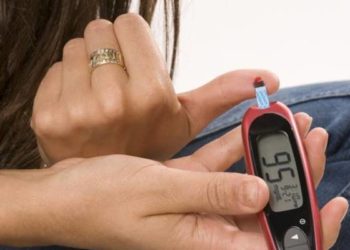
1. In this randomized controlled trial, intensive hyperglycemia treatment did not lead to improved outcomes compared to standard treatment in patients 90 days after stroke.

2. The intensive therapy group experienced more episodes of hypoglycemia and more adverse events attributed to hypoglycemia.

Evidence Rating Level: 1 (Excellent)

Study Rundown: Hyperglycemia is common in acute ischemic stroke and is associated with worse clinical outcomes, including greater infarct growth and hemorrhagic infarct conversion. However, it is unclear if more intense hyperglycemia management would prevent these sequelae and improve outcomes. In this randomized controlled trial, intensive compared with standard glucose control did not improve 90-day functional outcomes in patients with acute ischemic stroke and hyperglycemia. The intensive therapy group had more episodes of hypoglycemia and more adverse events attributed to hypoglycemia.

This study has several limitations. First, almost half of the patients were enrolled by only six of the clinical sites, and site-specific practices may reduce the generalizability of the results. Second, treatment with intravenous tissue plasminogen activator therapy in 63% of the patients may suggest a selection bias for patients requiring a higher level of care. Third, this trial did not capture recanalization data.

Click to read the study in JAMA

RELATED REPORTS

Metformin is associated with lowering maternal hyperglycemia and reducing the risk of neonatal hypoglycemia among pregnant patients at risk of preterm delivery

Aerobic-resistance training and high-intensity interval training may improve metabolic and functional outcomes in adults with type 2 diabetes

2 Minute Medicine Rewind November 3rd, 2025

Relevant Reading: The effect of post-stroke hyperglycaemia on the levels of brain damage and repair-related circulating biomarkers: the Glycaemia in Acute Stroke Study II.

In-Depth [randomized controlled trial]: The Stroke Hyperglycemia Insulin Network Effort (SHINE) included 1151 adults who received either intensive treatment of hyperglycemia (target blood glucose concentration of 80-130mg/dL) or standard treatment of hyperglycemia (target glucose concentration of 80-179mg/dL). Patients were randomized to receive continuous intravenous insulin using a computerized decision support tool (intensive treatment group: n = 581) or insulin on a sliding scale that was administered subcutaneously (standard treatment group: n = 570) for up to 72 hours. The primary efficacy outcome was the proportion of patients with a favorable outcome at 90 days after randomization as defined as a modified Rankin Scale score of 0 in patients with a baseline NIHSS score of 3 to 7, a modified Rankin Scale score of 0 to 1 in patients with a baseline NIHSS score of 8 to 14, and a modified Rankin Scale score of 0 to 2 in patients with a baseline NIHSS score of 15 to 22. Key secondary outcomes included 90-day NIHSS score, 90-day Barthel Index score (scores range from 0-100; higher scores indicate greater ability to perform activities of daily living), and 90-day Stroke Specific Quality of Life score. A favorable outcome occurred in 119 of 581 patients (20.5%) in the intensive treatment group and in 123 of 570 patients (21.6%) in the standard treatment group (adjusted relative risk 0.97; CI95 0.87 to 1.08). Treatment was stopped early for hypoglycemia or other adverse events in 65 of 581 patients (11.2%) in the intensive treatment group and in 18 of 570 patients (3.2%) in the standard treatment group. Severe hypoglycemia occurred only among patients in the intensive treatment group (2.6%; risk difference 2.58%; CI95 1.29 to 3.87%).

Image: PD

©2019 2 Minute Medicine, Inc. All rights reserved. No works may be reproduced without expressed written consent from 2 Minute Medicine, Inc. Inquire about licensing here. No article should be construed as medical advice and is not intended as such by the authors or by 2 Minute Medicine, Inc.

Tags: glucose controlhyperglycemiahypoglycemiaNational Institutes of Health Stroke Scale (NIHSS)Rankin Scalestroke
Previous Post

Neonates with isolated historical fever likely at lower risk for serious bacterial infection

Next Post

Quick Take: Association between heart failure and postoperative mortality among patients undergoing ambulatory noncardiac surgery

RelatedReports

Prenatal antidepressant exposure may increase risk of poor motor development
Chronic Disease

Metformin is associated with lowering maternal hyperglycemia and reducing the risk of neonatal hypoglycemia among pregnant patients at risk of preterm delivery

January 13, 2026
Pediatric DKA associated with recent acute care visits
Chronic Disease

Aerobic-resistance training and high-intensity interval training may improve metabolic and functional outcomes in adults with type 2 diabetes

January 13, 2026
Rivaroxaban likely reduces risk of recurrent stroke in specific subgroup of patients with embolic stroke of undetermined source
Weekly Rewinds

2 Minute Medicine Rewind November 3rd, 2025

January 13, 2026
Nearly Half of All Pediatric Buprenorphine Exposures Result in Hospitalization
Cardiology

Clopidogrel monotherapy is superior to aspirin for secondary prevention in coronary artery disease

October 30, 2025
Next Post
CHADS-VASc score may help predict outcomes in heart failure

Quick Take: Association between heart failure and postoperative mortality among patients undergoing ambulatory noncardiac surgery

Quick Take: Impact of scribes on emergency medicine doctors’ productivity and patient throughput: multicentre randomised trial

ACA implementation not linked to a surge in hospital use

Using HEART score to risk stratify patients with chest pain is safe but underutilized in the ED

Quick Take: Effect of Simvastatin-Ezetimibe Compared With Simvastatin Monotherapy After Acute Coronary Syndrome Among Patients 75 Years or Older

2 Minute Medicine® is an award winning, physician-run, expert medical media company. Our content is curated, written and edited by practicing health professionals who have clinical and scientific expertise in their field of reporting. Our editorial management team is comprised of highly-trained MD physicians. Join numerous brands, companies, and hospitals who trust our licensed content.

Recent Reports

  • Placental abruption during pregnancy is not associated with increased risk of cardiovascular mortality in children
  • Pfizer’s Talzenna combo significantly delays prostate cancer progression
  • Bottom-vented bottles may not reduce gastrointestinal discomfort in infants
License Content
Terms of Use | Disclaimer
Cookie Policy
Privacy Statement (EU)
Disclaimer

The Classics in Medicine Paperback Released!

Over the past 30 years, the transition from print to digital media has contributed to an exponential increase in medical literature. In response, 2 Minute Medicine presents 160+ authoritative, physician-written summaries of the most cited landmark trials in medicine.

amazon-logo_blackGet-it-on-iBooks-badge

Click anywhere to close this announcement

  • Specialties
    • All Specialties, All Recent Reports
    • Cardiology
    • Chronic Disease
    • Dermatology
    • Emergency
    • Endocrinology
    • Gastroenterology
    • Imaging and Intervention
    • Infectious Disease
    • Nephrology
    • Neurology
    • Obstetrics
    • Oncology
    • Ophthalmology
    • Pediatrics
    • Pharma
    • Preclinical
    • Psychiatry
    • Public Health
    • Pulmonology
    • Rheumatology
    • Surgery
  • Tools
    • EvidencePulse™
    • RVU Search
    • NPI Registry Lookup
  • Pharma
  • AI News
  • The Scan
  • Classics™
    • 2MM+ Online Access
    • Paperback and Ebook
  • Rewinds
  • Partners
    • License Content
    • Submit Press Release
    • Advertise with Us
  • Account
    • Subscribe
    • Sign-in
    • My account
No Result
View All Result

© 2026 2 Minute Medicine, Inc. - Physician-written medical news.