• About
  • Masthead
  • License Content
  • Advertise
  • Submit Press Release
  • RSS/Email List
  • 2MM Podcast
  • Write for us
  • Contact Us
2 Minute Medicine
No Result
View All Result

No products in the cart.

SUBSCRIBE
  • Specialties
    • All Specialties, All Recent Reports
    • Cardiology
    • Chronic Disease
    • Dermatology
    • Emergency
    • Endocrinology
    • Gastroenterology
    • Imaging and Intervention
    • Infectious Disease
    • Nephrology
    • Neurology
    • Obstetrics
    • Oncology
    • Ophthalmology
    • Pediatrics
    • Pharma
    • Preclinical
    • Psychiatry
    • Public Health
    • Pulmonology
    • Rheumatology
    • Surgery
  • Tools
    • EvidencePulse™
    • RVU Search
    • NPI Registry Lookup
  • Pharma
  • AI News
  • The Scan+
  • Classics™+
    • 2MM+ Online Access
    • Paperback and Ebook
  • Rewinds
  • Partners
    • License Content
    • Submit Press Release
    • Advertise with Us
  • Account
    • Subscribe
    • Sign-in
    • My account
2 Minute Medicine
  • Specialties
    • All Specialties, All Recent Reports
    • Cardiology
    • Chronic Disease
    • Dermatology
    • Emergency
    • Endocrinology
    • Gastroenterology
    • Imaging and Intervention
    • Infectious Disease
    • Nephrology
    • Neurology
    • Obstetrics
    • Oncology
    • Ophthalmology
    • Pediatrics
    • Pharma
    • Preclinical
    • Psychiatry
    • Public Health
    • Pulmonology
    • Rheumatology
    • Surgery
  • Tools
    • EvidencePulse™
    • RVU Search
    • NPI Registry Lookup
  • Pharma
  • AI News
  • The Scan+
  • Classics™+
    • 2MM+ Online Access
    • Paperback and Ebook
  • Rewinds
  • Partners
    • License Content
    • Submit Press Release
    • Advertise with Us
  • Account
    • Subscribe
    • Sign-in
    • My account
SUBSCRIBE
2 Minute Medicine
Subscribe
Home The Classics General Medicine Classics

The HAS-BLED score: Bleeding risk in atrial fibrillation [Classics Series]

byAndrew Cheung, MD MBA
November 12, 2013
in General Medicine Classics, The Classics
Reading Time: 4 mins read
0
Share on FacebookShare on Twitter

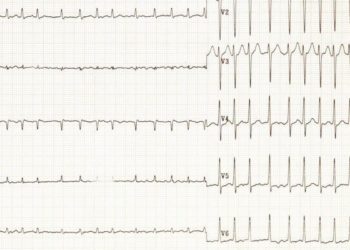
Image: PD

1. The HAS-BLED score is an easy to remember and easy to apply tool that has good predictive accuracy for the risk of major bleeding in patients with atrial fibrillation

2. Since its publication, the HAS-BLED score has been validated in a large cohort study of 7,329 patients

Original Date of Publication: November 2010

Study Rundown: In atrial fibrillation, it is thought that impaired atrial contraction leads to blood stasis within the atria, thereby increasing the risk of thrombus formation and cardioembolic stroke. The CHADS2 score is a risk stratification tool that was developed to identify patients with atrial fibrillation who are at higher risk of stroke and who should therefore be treated with oral anticoagulation. Treatment with oral anticoagulants, however, increases one’s risk of bleeding. The HAS-BLED score was developed in response to the need for tools to estimate the risk of major bleeding in patients with atrial fibrillation. Originally published in 2010, the score consists of 7 factors: hypertension, abnormal renal/liver function, stroke, bleeding history or predisposition, labile INR, elderly (>65 years), and drugs/alcohol use concomitantly. This study demonstrated that the HAS-BLED score had good predictive accuracy for major bleeding in the overall cohort of patients (C statistic 0.72; 95%CI 0.65-0.79), but performed much better in patients on antiplatelet agents (C statistic 0.91; 95%CI 0.83-1.00) or no antithrombotic therapy (C statistic 0.85; 95%CI 0.00-1.00). While its performance was very similar to that of the HEMOR2RHAGES scheme, the HAS-BLED score is much easier to remember and use, as it consists of fewer factors and only requires clinical assessment or routine bloodwork. The HAS-BLED score has since been validated in a larger cohort study published in the Journal of the American College of Cardiology.

Click to read study in Chest

RELATED REPORTS

Association between atrial fibrillation and both the in-hospital mortality and disease severity in acute pancreatitis: insights from a multicenter study

2 Minute Medicine Rewind December 29th, 2025

Atrial fibrillation risk is high following coronary artery bypass grafting and is low but gradually accumulates following percutaneous coronary intervention

In-Depth [retrospective cohort study]: This study was originally published in 2010 in Chest. It utilized a cohort of patients that were identified from the prospectively developed Euro Heart Survey on Atrial Fibrillation database. Patients in the database were followed for one-year to determine survival and incidence of major adverse events, including major bleeding (i.e., hemoglobin drop >2 g/L or requiring transfusion). The HAS-BLED score was constructed by identifying bleeding risk factors from a derivation cohort, and adding consistent risk factors for major bleeding found in recent systematic reviews. The final score included hypertension (systolic >160 mmHg), abnormal renal (dialysis, renal transplantation, or creatinine≥200 umol/L) or liver function (chronic liver disease, or biochemical evidence), stroke, bleeding history or predisposition, labile INR (therapeutic time in range <60%), elderly (>65 years), drugs/alcohol use concomitantly.

Of the 5,272 patients in the Euro Heart Survey on Atrial Fibrillation, 3,456 did not have mitral valve stenosis or valvular surgery and were included in this study. The HAS-BLED score was compared with the HEMOR2RHAGES scheme, a previously developed tool for estimating the risk of bleeding. C statistics were calculated to determine the predictive accuracy of each model using various sets of patients. The HAS-BLED score had C statistics of 0.72 (95%CI 0.65-0.79) for the overall cohort, 0.69 (95%CI 0.59-0.80) for patients on oral anticoagulants, 0.91 for patients on antiplatelet agents (95%CI 0.83-1.00), and 0.85 for patients on no antithrombotic therapy (95%CI 0.00-1.00). The HEMOR2RHAGES scheme had C statistics of 0.66 (95%CI 0.57-0.74) for the overall cohort, 0.64 (95%CI 0.53-0.75) for patients on oral anticoagulants , 0.83 for patients on antiplatelet agents (95%CI 0.68-0.98), and 0.81 for patients on no antithrombotic therapy (95%CI 0.00-1.00).

Clinical characteristic

Points awarded

Hypertension

1

Abnormal renal and liver function (1 each)

1 or 2

Stroke

1

Bleeding history or predisposition

1

Labile INR

1

Elderly (>65 years)

1

Drugs or alcohol (1 each)

1 or 2


HAS-BLED score

Number of patients

Bleeds per 100 patient-years

0

798

1.13

1

1,286

1.02

2

744

1.88

3

187

3.74

4

46

8.70

5

8

12.50

6

2

0.0

7

0

–

8

0

–

9

0

–


By Andrew Cheung, M.D.

© 2013 2minutemedicine.com. All rights reserved. No works may be reproduced without expressed written consent from 2minutemedicine.com. Disclaimer: We present factual information directly from peer reviewed medical journals. No post should be construed as medical advice and is not intended as such by the authors, editors, staff or by 2minutemedicine.com. PLEASE SEE A HEALTHCARE PROVIDER IN YOUR AREA IF YOU SEEK MEDICAL ADVICE OF ANY SORT.
Tags: atrial fibrillation
Previous Post

Cough medicine-related ED visits linked to unsupervised ingestion

Next Post

Vitamin and supplement data remains limited, may provide no benefit

RelatedReports

Mild-to-moderate hypertriglyceridemia associated with higher risk of acute pancreatitis
Cardiology

Association between atrial fibrillation and both the in-hospital mortality and disease severity in acute pancreatitis: insights from a multicenter study

January 12, 2026
Admission may not be needed following sleep apnea surgery
Weekly Rewinds

2 Minute Medicine Rewind December 29th, 2025

January 12, 2026
Lariat device for left atrial appendage exclusion associated with adverse events
Cardiology

Atrial fibrillation risk is high following coronary artery bypass grafting and is low but gradually accumulates following percutaneous coronary intervention

January 13, 2026
Lariat device for left atrial appendage exclusion associated with adverse events
Weekly Rewinds

2 Minute Medicine Rewind December 1st, 2025

January 13, 2026
Next Post
Vitamin and supplement data remains limited, may provide no benefit

Vitamin and supplement data remains limited, may provide no benefit

Costs for DKA care vary significantly among U.S. hospitals

Low brown fat may explain increased susceptibility to type 2 diabetes in south Asians

Bariatric surgery is an effective option for weight loss and glycemic control

Obesity without metabolic syndrome still associated with increased mortality

2 Minute Medicine® is an award winning, physician-run, expert medical media company. Our content is curated, written and edited by practicing health professionals who have clinical and scientific expertise in their field of reporting. Our editorial management team is comprised of highly-trained MD physicians. Join numerous brands, companies, and hospitals who trust our licensed content.

Recent Reports

  • Second-stage cesarean and operative vaginal deliveries are associated with similar neurodevelopmental outcomes in children
  • Isotonic Fluids Reduce Hyponatremia in Hospitalized Children
  • A planetary health diet is associated with a lower risk of developing chronic kidney disease
License Content
Terms of Use | Disclaimer
Cookie Policy
Privacy Statement (EU)
Disclaimer

© 2025 2 Minute Medicine, Inc. - Physician-written medical news.

  • Specialties
    • All Specialties, All Recent Reports
    • Cardiology
    • Chronic Disease
    • Dermatology
    • Emergency
    • Endocrinology
    • Gastroenterology
    • Imaging and Intervention
    • Infectious Disease
    • Nephrology
    • Neurology
    • Obstetrics
    • Oncology
    • Ophthalmology
    • Pediatrics
    • Pharma
    • Preclinical
    • Psychiatry
    • Public Health
    • Pulmonology
    • Rheumatology
    • Surgery
  • Tools
    • EvidencePulse™
    • RVU Search
    • NPI Registry Lookup
  • Pharma
  • AI News
  • The Scan
  • Classics™
    • 2MM+ Online Access
    • Paperback and Ebook
  • Rewinds
  • Partners
    • License Content
    • Submit Press Release
    • Advertise with Us
  • Account
    • Subscribe
    • Sign-in
    • My account
No Result
View All Result

© 2025 2 Minute Medicine, Inc. - Physician-written medical news.