• About
  • Masthead
  • License Content
  • Advertise
  • Submit Press Release
  • RSS/Email List
  • 2MM Podcast
  • Write for us
  • Contact Us
2 Minute Medicine
No Result
View All Result

No products in the cart.

SUBSCRIBE
  • About
  • Specialties
    • All Specialties, All Recent Reports
    • Cardiology
    • Chronic Disease
    • Dermatology
    • Emergency
    • Endocrinology
    • Gastroenterology
    • Imaging and Intervention
    • Infectious Disease
    • Nephrology
    • Neurology
    • Obstetrics
    • Oncology
    • Ophthalmology
    • Pediatrics
    • Pharma
    • Preclinical
    • Psychiatry
    • Public Health
    • Pulmonology
    • Rheumatology
    • Surgery
  • Tools+
    • EvidencePulse™
    • HypeCheck™
    • NPI Registry Lookup
    • RVU Search
  • Pharma
  • AI Roundup
  • The Scan+
  • Classics™+
    • 2MM+ Online Access
    • Paperback and Ebook
  • Rewinds
  • Partners
    • License Content
    • Submit Press Release
    • Advertise with Us
  • Account
    • Subscribe
    • My account
    • Cart
    • Sign-in
2 Minute Medicine
  • About
  • Specialties
    • All Specialties, All Recent Reports
    • Cardiology
    • Chronic Disease
    • Dermatology
    • Emergency
    • Endocrinology
    • Gastroenterology
    • Imaging and Intervention
    • Infectious Disease
    • Nephrology
    • Neurology
    • Obstetrics
    • Oncology
    • Ophthalmology
    • Pediatrics
    • Pharma
    • Preclinical
    • Psychiatry
    • Public Health
    • Pulmonology
    • Rheumatology
    • Surgery
  • Tools+
    • EvidencePulse™
    • HypeCheck™
    • NPI Registry Lookup
    • RVU Search
  • Pharma
  • AI Roundup
  • The Scan+
  • Classics™+
    • 2MM+ Online Access
    • Paperback and Ebook
  • Rewinds
  • Partners
    • License Content
    • Submit Press Release
    • Advertise with Us
  • Account
    • Subscribe
    • My account
    • Cart
    • Sign-in
SUBSCRIBE
2 Minute Medicine
Subscribe
EvidencePulse™ by 2 Minute Medicine 2026 evidence scan 3 reports You asked top stroke trials 2026 Synthesizing medical evidence... Top 2026 stroke trial results: OCEANIC — ischemic stroke: 6.2% vs 8.4% OPTION* — mRS 0–1: 43.6% vs 34.2% ORIENTAL* — mRS 0–2: 58.6% vs 46.6% *Higher sICH in intervention arms Participants randomizedN OCEANIC 12,327 OPTION 570 ORIENTAL 564 Ask about guidelines or landmark trials... ↑ Try EvidencePulse™ Ask the evidence.
Get the signal.
Try it now → Physician-trained medical AI by 2 Minute Medicine
Home All Specialties Infectious Disease

The OVIVA trial: oral antibiotics noninferior to intravenous antibiotics for bone and joint infections

byDayton McMillan
February 1, 2019
in Infectious Disease, Surgery
Reading Time: 3 mins read
Transthoracic echocardiography can rule out endocarditis in low-risk bacteremic patients
Share on FacebookShare on Twitter

1. Patients with bone and joint infections treated with 6 weeks of oral or intravenous antibiotic therapy had similar rates of treatment failure after 1 year.

2. Serious adverse events occurred at similar rates for patients in the oral and intravenous antibiotic groups.

Evidence Rating Level: 1 (Excellent)   

Study Rundown: Bone and joint infections are typically treated with surgical washout and a prolonged course of intravenous antibiotic therapy. Use of intravenous antibiotics has been a long-held standard of care which has significant drawbacks compared to oral treatment, though a thorough comparison has not been conducted recently. The Oral versus Intravenous Antibiotics for Bone and Joint Infection (OVIVA) trial sought to compare oral and intravenous antibiotics for patients with orthopaedic infections. Patients were randomized to oral or intravenous antibiotics after 1 week of starting antibiotic therapy. There was no significant difference in the primary outcome of treatment failure at 1 year between the oral and intravenous antibiotic groups. Incidence of serious adverse events was also similar between treatment groups.

This large randomized trial provides strong support to challenge a widely and long held conclusion that intravenous antibiotics are superior to oral antibiotics for treating orthopaedic infections. Its strengths include strong patient follow-up and inclusion of patients with multiple bacterial pathogens who were therefore treated with multiple kinds of antibiotics. Subgroup analysis of specific types of antibiotics was not performed, which may have provided useful information as to which kinds of infections were best treated with oral versus intravenous antibiotics.

Click to read the study in NEJM

RELATED REPORTS

Clinical outcomes of chronic and acute pediatric osteomyelitis

The OVIVA trial: Oral versus intravenous antibiotics for bone and joint infection [Classics Series]

Shorter antibiotic therapy for prosthetic joint infection caused worse outcomes

Click to read an accompanying editorial in NEJM

Relevant Reading: Comparative effectiveness of intravenous vs oral antibiotics for postdischarge treatment of acute osteomyelitis in children

In-Depth [randomized controlled trial]: This multicenter, open-label, randomized controlled trial enrolled patients between 2010 and 2015. Eligible participants had osteomyelitis, a native infected joint, or an infected prosthetic/orthopaedic fixation device. If patients were surgically treated, randomization to oral or intravenous groups occurred within 7 days of surgery. Patients were treated for 6 weeks after randomization, and extended antibiotic treatment was also possible if clinically warranted. If no surgery was required, randomization occurred within 7 days of beginning antibiotics.  Choice of antibiotics was left to the guidance of treating physicians. Participants in the oral (n=466) and intravenous (n=443) groups were followed for 1 year to assess for the primary outcome of treatment failure, which showed oral therapy to be noninferior to intravenous therapy (13.2% vs 14.6% failure for oral and intravenous groups, respectfully; difference in risk, -1.4%; 95% confidence interval [CI], -5.6 to 2.9). Intention-to-treat and per-protocol analysis supported the conclusion of oral therapy as noninferior. Patients in the intravenous group more commonly discontinued their treatment. Patients in the intravenous group also experienced longer hospital stays and had significantly more complications with intravenous catheters. Serious adverse events occurred at similar rates in the two groups (26.2% and 27.7% for oral and intravenous groups, respectively; P=0.58). Incidence of C. difficile diarrhea was similar in the two groups.

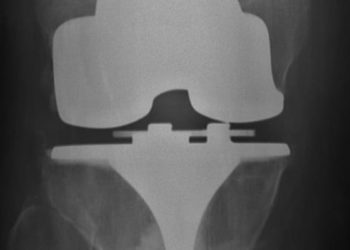
Image: PD

©2019 2 Minute Medicine, Inc. All rights reserved. No works may be reproduced without expressed written consent from 2 Minute Medicine, Inc. Inquire about licensing here. No article should be construed as medical advice and is not intended as such by the authors or by 2 Minute Medicine, Inc


Tags: IV antibioticsjoint infectionoral antibioticsosteomyelitis
Previous Post

Quick Take: Prior dengue virus infection and risk of Zika: a pediatric cohort in Nicaragua

Next Post

The PIVOTOL trial: high-dose iron reduces incidence of serious adverse events in hemodialysis patients

RelatedReports

Evidence-based supportive therapy for bronchiolitis varies significantly between hospitals
Infectious Disease

Clinical outcomes of chronic and acute pediatric osteomyelitis

February 9, 2023
ABCD2 Score: Predicting Early Stroke Risk After Transient Ischemic Attack (TIA) [Classics Series]
Neurology Classics

The OVIVA trial: Oral versus intravenous antibiotics for bone and joint infection [Classics Series]

September 14, 2022
Total knee replacement with post-surgical regimen yields greater relief vs nonsurgical treatment alone
Chronic Disease

Shorter antibiotic therapy for prosthetic joint infection caused worse outcomes

June 8, 2021
Transthoracic echocardiography can rule out endocarditis in low-risk bacteremic patients
Infectious Disease

Follow-up blood cultures in Staph aureus bacteremia rarely positive

December 7, 2020
Next Post
Fish oil and aspirin did not reduce arteriovenous fistula failure: The FAVOURED trail

The PIVOTOL trial: high-dose iron reduces incidence of serious adverse events in hemodialysis patients

Quick Take: Comparative effectiveness of rituximab, abatacept, and tocilizumab in adults with rheumatoid arthritis and inadequate response to TNF inhibitors: prospective cohort study

Quick Take: Comparative effectiveness of rituximab, abatacept, and tocilizumab in adults with rheumatoid arthritis and inadequate response to TNF inhibitors: prospective cohort study

High schoolers use e-cigarettes to vaporize cannabis

E-cigarettes more effective for smoking cessation than nicotine-replacement therapy

EvidencePulse™ by 2 Minute Medicine 2026 evidence scan 3 reports You asked top stroke trials 2026 Synthesizing medical evidence... Top 2026 stroke trial results: OCEANIC — ischemic stroke: 6.2% vs 8.4% OPTION* — mRS 0–1: 43.6% vs 34.2% ORIENTAL* — mRS 0–2: 58.6% vs 46.6% *Higher sICH in intervention arms Participants randomizedN OCEANIC 12,327 OPTION 570 ORIENTAL 564 Ask about guidelines or landmark trials... ↑ Try EvidencePulse™ Ask the evidence.
Get the signal.
Try it now → Physician-trained medical AI by 2 Minute Medicine

2MM+ All Access

Full details →
$4.99 /month

5-day free trial · cancel anytime

  • ✓100+ physician-written reports
  • ✓EvidencePulse™ + HypeCheck™
  • ✓Ad-free reading + newsletters
Start 5-day free trial

Then $4.99/month. Manage renewal in your account.

2 Minute Medicine® is an award winning, physician-run, expert medical media company. Our content is curated, written and edited by practicing health professionals who have clinical and scientific expertise in their field of reporting. Our editorial management team is comprised of highly-trained MD physicians. Join numerous brands, companies, and hospitals who trust our licensed content.

Recent Reports

  • An artificial intelligence (AI) tool achieved high diagnostic accuracy for the identification and prediction of sepsis
  • Use of long-acting broadly neutralizing antibodies may delay human immunodeficiency virus (HIV) rebound following discontinuation of antiretroviral therapy
  • Large language models (LLMs) demonstrated the ability to generate accurate research manuscripts but required human oversight for more complex analyses
License Content
Terms of Use | Disclaimer
Cookie Policy
Cleantalk Pixel
2MM+ All Access Full details →

The medical literature, distilled daily.

Monthly plan selected: $4.99 /month.

$4.99/month

5-day free trial · cancel anytime

Start 5-day free trial

Then $4.99/month. Manage renewal in your account.

Yearly plan selected: $49.90 /year.

$49.90/year

2 months free · only $4.16/month

Start 5-day free trial

Then $49.90/year. Manage renewal in your account.

Membership benefits

  • ✓100+ physician-written reports
  • ✓AI EvidencePulse™ + HypeCheck™
  • ✓Ad-free reading + newsletters

Already a member? Sign in

  • About
  • Specialties
    • All Specialties, All Recent Reports
    • Cardiology
    • Chronic Disease
    • Dermatology
    • Emergency
    • Endocrinology
    • Gastroenterology
    • Imaging and Intervention
    • Infectious Disease
    • Nephrology
    • Neurology
    • Obstetrics
    • Oncology
    • Ophthalmology
    • Pediatrics
    • Pharma
    • Preclinical
    • Psychiatry
    • Public Health
    • Pulmonology
    • Rheumatology
    • Surgery
  • Tools
    • EvidencePulse™
    • HypeCheck™
    • NPI Registry Lookup
    • RVU Search
  • Pharma
  • AI Roundup
  • The Scan
  • Classics™
    • 2MM+ Online Access
    • Paperback and Ebook
  • Rewinds
  • Partners
    • License Content
    • Submit Press Release
    • Advertise with Us
  • Account
    • Subscribe
    • My account
    • Cart
    • Sign-in
No Result
View All Result

© 2026 2 Minute Medicine, Inc. - Physician-written medical news.