

• About
  • Masthead
  • License Content
  • Advertise
  • Submit Press Release
  • RSS/Email List
  • 2MM Podcast
  • Write for us
  • Contact Us
2 Minute Medicine
No Result
View All Result

No products in the cart.

SUBSCRIBE
  • About
  • Specialties
    • All Specialties, All Recent Reports
    • Cardiology
    • Chronic Disease
    • Dermatology
    • Emergency
    • Endocrinology
    • Gastroenterology
    • Imaging and Intervention
    • Infectious Disease
    • Nephrology
    • Neurology
    • Obstetrics
    • Oncology
    • Ophthalmology
    • Pediatrics
    • Pharma
    • Preclinical
    • Psychiatry
    • Public Health
    • Pulmonology
    • Rheumatology
    • Surgery
  • Tools+
    • EvidencePulse™
    • HypeCheck™
    • NPI Registry Lookup
    • RVU Search
  • Pharma
  • AI Roundup
  • The Scan+
  • Classics™+
    • 2MM+ Online Access
    • Paperback and Ebook
  • Rewinds
  • Partners
    • License Content
    • Submit Press Release
    • Advertise with Us
  • Account
    • Subscribe
    • My account
    • Cart
    • Sign-in
2 Minute Medicine
  • About
  • Specialties
    • All Specialties, All Recent Reports
    • Cardiology
    • Chronic Disease
    • Dermatology
    • Emergency
    • Endocrinology
    • Gastroenterology
    • Imaging and Intervention
    • Infectious Disease
    • Nephrology
    • Neurology
    • Obstetrics
    • Oncology
    • Ophthalmology
    • Pediatrics
    • Pharma
    • Preclinical
    • Psychiatry
    • Public Health
    • Pulmonology
    • Rheumatology
    • Surgery
  • Tools+
    • EvidencePulse™
    • HypeCheck™
    • NPI Registry Lookup
    • RVU Search
  • Pharma
  • AI Roundup
  • The Scan+
  • Classics™+
    • 2MM+ Online Access
    • Paperback and Ebook
  • Rewinds
  • Partners
    • License Content
    • Submit Press Release
    • Advertise with Us
  • Account
    • Subscribe
    • My account
    • Cart
    • Sign-in
SUBSCRIBE
2 Minute Medicine
Subscribe
EvidencePulse™ by 2 Minute Medicine 2026 evidence scan 3 reports You asked top stroke trials 2026 Synthesizing medical evidence... Top 2026 stroke trial results: OCEANIC — ischemic stroke: 6.2% vs 8.4% OPTION* — mRS 0–1: 43.6% vs 34.2% ORIENTAL* — mRS 0–2: 58.6% vs 46.6% *Higher sICH in intervention arms Participants randomizedN OCEANIC 12,327 OPTION 570 ORIENTAL 564 Ask about guidelines or landmark trials... ↑ Try EvidencePulse™ Ask the evidence.
Get the signal.
Try it now → Physician-trained medical AI by 2 Minute Medicine
Home StudyGraphics

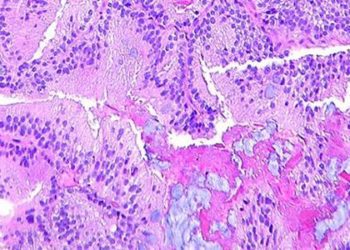
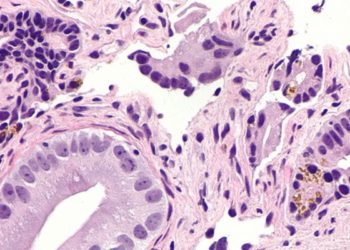
#VisualAbstract: Prostate-Specific Membrane Antigen Positron Emission Tomography can be used to detect pelvic lymph nodes in prostate cancer

byMinjee Kim
October 7, 2021
in StudyGraphics
Reading Time: 3 mins read
#VisualAbstract: Prostate-Specific Membrane Antigen Positron Emission Tomography can be used to detect pelvic lymph nodes in prostate cancer
Share on FacebookShare on Twitter

1. For the detection of pelvic nodal metastases in men with intermediate-to high-risk prostate cancer, using the 68Ga-PSMA-11 PET scan, the sensitivity and specificity were 0.40 and 0.95

2. The positive predictive value and the negative predictive value were 0.75 and 0.81

Evidence Rating Level: 1 (Excellent)

Study Rundown: Positron emission tomography (PET) targeting prostate-specific membrane antigen (PSMA) can increase diagnostic accuracy to help better detect pelvic nodal metastases at initial staging. Detecting pelvic nodal metastases at initial staging can guide clinicians when determining the appropriateness of radial prostatectomy. This study aimed to evaluate the accuracy of 68Ga-PSMA-11 PET imaging to detect pelvic nodal metastases compared to histopathology in intermediate- to high-risk prostate cancer patients being considered for radical prostatectomy. 68Ga-PSMA-11 PET imaging had lower sensitivity compared to the predefined threshold but had high specificity. The positive predictive value (PPV) was high at 0.75 and the negative predictive value (NPV) was 0.81. One of the main limitations include having lower number of the study population included in the efficacy analysis due to patients receiving other therapies instead of prostatectomy. This could have contributed to the lower sensitivity rate since patients with more extensive nodes were treated using alternative therapies. Another limitation is the open label study design of the study, which allowed clinicians to modify therapy based on the PET scan results. Overall, this study demonstrated that a positive 68Ga-PSMA-11 PET imaging could be a beneficial tool to help clinicians detect pelvic nodal metastasis as a true positive in intermediate- to high-risk prostate cancer patients considering prostatectomy. However, it may not be reliable in ruling out nodal metastases and may require further studies.

Click to read the study in JAMA Oncology

Click to read an accompanying invited commentary in JAMA Oncology

RELATED REPORTS

Enzalutamide (Xtandi) and abiraterone (Zytiga) may have similar effectiveness in metastatic castration-sensitive prostate cancer

Stockholm3 outperforms PSA for detecting significant prostate cancer 

Pfizer’s Talzenna combo significantly delays prostate cancer progression

Relevant Reading: Outcomes of primary lymph node staging of intermediate and high risk prostate cancer with 68Ga-PSMA positron emission tomography/computerized tomography compared to histological correlation of pelvic lymph node pathology

In-Depth [prospective cohort]: This was a phase 3, prospective, multicenter, single-arm, open label imaging trial of 764 patients at 2 institutions in the United States. Eligible patients included those who had intermediate- to high-risk prostate cancer and were considered for radical prostatectomy. Patients were excluded if they received prostate cancer therapy prior to prostatectomy. All patients received an imaging scan with 3-7 mCi of 68Ga-PSMA-11 PET. However, only patients who received radical prostatectomy were included in the efficacy analysis. The primary endpoint was the sensitivity and specificity of the 68Ga-PSMA-11 PET to detect pelvic nodal metastases compared to histopathology. Each imaging scan of the patients who were included in the efficacy analysis was interpreted by 3 blinded, independent central readers that were not involved in the study design and data collection process. The sensitivity and specificity were 0.40 (95% confidence interval [CI]: 0.34-0.46) and 0.95 (95% CI: 0.92-0.97). The positive predictive value (PPV) and the negative predictive value (NPV) were 0.75 (95% CI: 0.92-0.97) and 0.81 (95% CI: 0.76-0.85. Grade 1 adverse events were reported in 6% of the patients and none required further intervention. Commonly reported adverse events were rash and nausea.

Image: PD

©2021 2 Minute Medicine, Inc. All rights reserved. No works may be reproduced without expressed written consent from 2 Minute Medicine, Inc. Inquire about licensing here. No article should be construed as medical advice and is not intended as such by the authors or by 2 Minute Medicine, Inc.
Tags: #histopathology#lymph node metastasis#pelvic nodal metastasis#pelvic nodes#Positron Emission Tomography#prostate-specific membrane antigen#psmaPET scanprostateprostate cancerprostatectomyPSA
Previous Post

Fatalities in children associated with cough and cold medication often due to non-therapeutic intent

Next Post

Midodrine prevents recurrence of vasovagal syncope

RelatedReports

Radiation plus hormone therapy may improve prostate cancer survival
Chronic Disease

Enzalutamide (Xtandi) and abiraterone (Zytiga) may have similar effectiveness in metastatic castration-sensitive prostate cancer

July 22, 2026
Patient-reported outcomes differ significantly based on treatment in prostate cancer: The ProtecT trial
Oncology

Stockholm3 outperforms PSA for detecting significant prostate cancer 

June 22, 2026
Radiation plus hormone therapy may improve prostate cancer survival
Oncology

Pfizer’s Talzenna combo significantly delays prostate cancer progression

April 9, 2026
2 Minute Medicine: Pharma Roundup: Price Hikes, Breakthrough Approvals, Legal Showdowns, Biotech Expansion, and Europe’s Pricing Debate [May 12nd, 2025]
Endocrinology

2 Minute Medicine: Pharma Roundup – Pfizer’s Talzenna delays prostate cancer progression, apixaban lowers VTE bleeding risk, Lilly’s retatrutide hits Phase III metabolic targets, and FDA warns Novo Nordisk over safety reporting violations [March 2026]

March 30, 2026
Next Post
Majority of pediatric medication-related visits to emergency department are preventable

Midodrine prevents recurrence of vasovagal syncope

Exercise associated with decreased breast cancer risk

Two-year anastrozole treatment beneficial for disease-free survival in postmenopausal breast cancer

Pimavanserin continuation lower psychosis relapse risk in patient with dementia-related psychosis

EvidencePulse™ by 2 Minute Medicine 2026 evidence scan 3 reports You asked top stroke trials 2026 Synthesizing medical evidence... Top 2026 stroke trial results: OCEANIC — ischemic stroke: 6.2% vs 8.4% OPTION* — mRS 0–1: 43.6% vs 34.2% ORIENTAL* — mRS 0–2: 58.6% vs 46.6% *Higher sICH in intervention arms Participants randomizedN OCEANIC 12,327 OPTION 570 ORIENTAL 564 Ask about guidelines or landmark trials... ↑ Try EvidencePulse™ Ask the evidence.
Get the signal.
Try it now → Physician-trained medical AI by 2 Minute Medicine

2MM+ All Access

Full details →
$4.99 /month

5-day free trial · cancel anytime

  • ✓100+ physician-written reports
  • ✓EvidencePulse™ + HypeCheck™
  • ✓Ad-free reading + newsletters
Start 5-day free trial

Then $4.99/month. Manage renewal in your account.

2 Minute Medicine® is an award winning, physician-run, expert medical media company. Our content is curated, written and edited by practicing health professionals who have clinical and scientific expertise in their field of reporting. Our editorial management team is comprised of highly-trained MD physicians. Join numerous brands, companies, and hospitals who trust our licensed content.

Recent Reports

  • Deficits in executive function are not universal among patients with alcohol use disorder
  • Choice of bicarbonate-buffered solution versus compound sodium lactate as the intraoperative crystalloid solution during abdominal surgery remains unclear
  • Artificial intelligence (AI)-based coronary calcium quantification successfully identified patients who could benefit from lipid-lowering therapy
License Content
Terms of Use | Disclaimer
Cookie Policy
Cleantalk Pixel
2MM+ All Access Full details →

The medical literature, distilled daily.

Monthly plan selected: $4.99 /month.

$4.99/month

5-day free trial · cancel anytime

Start 5-day free trial

Then $4.99/month. Manage renewal in your account.

Yearly plan selected: $49.90 /year.

$49.90/year

2 months free · only $4.16/month

Start 5-day free trial

Then $49.90/year. Manage renewal in your account.

Membership benefits

  • ✓100+ physician-written reports
  • ✓AI EvidencePulse™ + HypeCheck™
  • ✓Ad-free reading + newsletters

Already a member? Sign in

  • About
  • Specialties
    • All Specialties, All Recent Reports
    • Cardiology
    • Chronic Disease
    • Dermatology
    • Emergency
    • Endocrinology
    • Gastroenterology
    • Imaging and Intervention
    • Infectious Disease
    • Nephrology
    • Neurology
    • Obstetrics
    • Oncology
    • Ophthalmology
    • Pediatrics
    • Pharma
    • Preclinical
    • Psychiatry
    • Public Health
    • Pulmonology
    • Rheumatology
    • Surgery
  • Tools
    • EvidencePulse™
    • HypeCheck™
    • NPI Registry Lookup
    • RVU Search
  • Pharma
  • AI Roundup
  • The Scan
  • Classics™
    • 2MM+ Online Access
    • Paperback and Ebook
  • Rewinds
  • Partners
    • License Content
    • Submit Press Release
    • Advertise with Us
  • Account
    • Subscribe
    • My account
    • Cart
    • Sign-in
No Result
View All Result

© 2026 2 Minute Medicine, Inc. - Physician-written medical news.