

2 Minute Medicine Rewind April 16, 2017
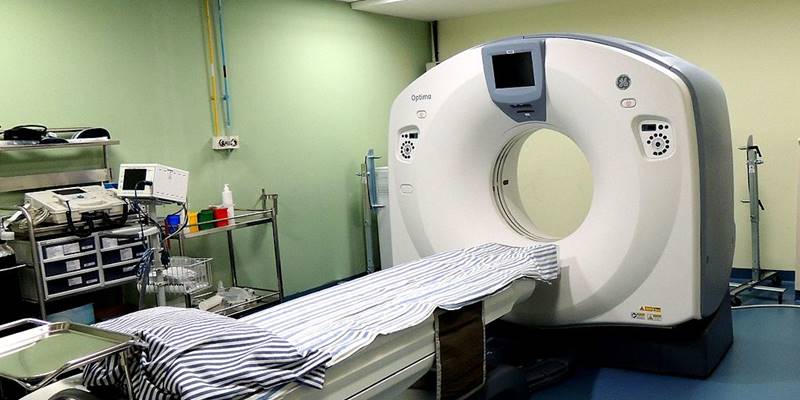
Cystic renal lesions are common incidental findings on computed tomography (CT) and often represent benign simple cysts. While the diagnosis can be made on non-enhanced CT with an attenuation value between -10 and 20 Hounsfield Units (HU), it can be challenging to exclude neoplasms in homogenous renal cysts with a mean attenuation between 20 and 30 HU on contrast-enhanced CT. The purpose of this study was to compare the attenuation and homogeneity of renal neoplasms with those of cysts on contrast-enhanced CT, and determine whether these lesions can be differentiated on the basis of these imaging characteristics. This was a retrospective cohort study, which reviewed a total of 129 renal neoplasms and 24 simple cysts and characterized mean, minimum, and maximum attenuation values. A total of 116 heterogeneous renal cell carcinomas (RCC), 13 homogenous RCCs, and 24 homogenous cysts were evaluated. All homogenous RCCs had mean attenuation values in excess of 42 HU, whereas cysts had mean attenuation values of up to 30 HU (p<0.001). On the basis of the results of this study, the authors concluded that further evaluation of a homogenous renal mass with a mean attenuation of 30 HU or less is likely not warranted.
Race and Obesity in Adolescent Hypertension
The prevalence of overweight and obesity has continued to rise among children and adolescents, with the burden of pediatric obesity falling more often on minorities in the United States. While it has been established that the risk of hypertension is greater in minority groups, there is a paucity of data regarding the relationship between blood pressure (BP) and ethnicity in the pediatric population. In this cohort study, researchers collected information on age, BMI, race, gender, and blood pressure (BP) from 21,062 adolescents aged 10 to 21 years (52% Hispanic, 33% White, 25% African American) from 27 schools in Houston, Texas from 2000 to 2015. Hypertension was defined as a mean systolic or diastolic BP ≥ the 95th percentile for age, height, and gender. Researchers found that the prevalence of hypertension overall was 2.7%. Obesity rates highest among African Americans (3.1%) and Hispanic (2.7%) adolescents compared to white Americans. Hypertension was most prevalent in Hispanic (3.1%), followed by African American (2.7%), white (2.6%), and Asian (1.7%) adolescents (p=0.019). However, at lower BMI percentiles (<60th percentile), Hispanics had the lowest prevalence of hypertension among the four groups. This study therefore shows that the prevalence of hypertension varies among different races and ethnicities, with obesity remaining a strong predictor of early hypertension.
Firearm violence is an important public health issue in the United States, accounting for death in over 86% of homicides among youth aged 15 to 24 years. However, in the emergency department (ED), there is currently no clinically relevant screening tool to aid in identifying at-risk youth. In this 24-month prospective cohort study, 599 youths aged 14 to 24 seeking ED care from 2009 to 2011 were studied as a means of developing a clinical screening tool for future risk for firearm violence. As part of study inclusion criteria, all participants had a history of drug use in the past 6 months. Of the 599 enrolled youth, 349 sustained an injury related to assault, and 250 had non-assault related injuries. A screening survey was administered to all patients with follow-up performed at 6, 12 18, and 24 months. An elastic-net penalized logistic regression was use in the survey instrument where 118 baseline predictors were analyzed and the most predictive variables fell into one of four domains: violence victimization, community exposure, peer influences, and fighting. By selecting 1 item from each domain, the 10-point SaFETy (Serious fighting, Friend weapon carrying, community Environment, and firearm Threats) score was derived. The authors found that a SaFETy score increase of 1 point was associated with a higher risk of future firearm violence (OR 1.44, 95% CI 1.20 to 1.76). In the five risk strata observed in the training data, firearm violence rates in the validation set were 18.2% (2 of 11), 40.0% (18 of 45), 55.8% (24 of 43), 81.3% (13 of 16), and 100.0% respectively. This study therefore shows that the identification of youth at risk of being involved in firearm violence may be clinically feasible through the use of validated tools such as the SaFETy score.
It has been estimated that 44% of homeless adults are infected with hepatitis C virus (HCV). While, historically, homeless and marginally housed (HMH) individuals have been met with barriers to HCV treatment, new interferon-free therapies have demonstrated improved cure rates and tolerability that may be associated with increased compliance to treatment. In this retrospective cohort study, 64 HMH individuals with chronic HCV infection, were administered oral direct-acting anti-viral medications and followed up to determine whether these new agents improve rates of sustained virologic response in this at-risk population. Sustained virologic response was defined as undetectable HCV RNA, less than 15IU/mL, 12 weeks after treatment completion (SVR-12). Researchers found that 97% of patients in the cohort achieved SVR-12, with only 13% of participants reporting more than 3 missed doses. This study therefore shows that excellent responses to community-based treatment of HCV infection using oral direct-acting anti-viral medications can be achieved among HMH individuals. These rates of sustained virologic response are similar to that achieved in clinical trials and other cohorts, despite the significant impact of social determinants of health seen in this population.
Animal studies have indicated that resveratrol may improve exercise endurance and skeletal muscle oxidative metabolism. The use of this supplement in humans has important implications for patients with reduced mobility due to peripheral artery disease (PAD). In this randomized controlled trial, 66 individuals age 65 years and older were randomized to receive resveratrol, 125 mg or 500 mg, or placebo for 6 months in order to determine whether resveratrol improves the 6-minute walk performance in patients with PAD. Researchers found that at 6-months, the mean changes in 6-minute walking distance were 4.6 meters (SE 8.1 meters) for the 125 mg resveratrol group (p=0.07) and -12.8 meters (SE 7.5 meters) for the 500 mg resveratrol group (p=0.96). This study therefore shows that resveratrol does not improve walking performance in patients age 65 years and older with PAD.
Image: PD
©2017 2 Minute Medicine, Inc. All rights reserved. No works may be reproduced without expressed written consent from 2 Minute Medicine, Inc. Inquire about licensing here. No article should be construed as medical advice and is not intended as such by the authors or by 2 Minute Medicine, Inc.




![Galangin may sensitize apoptosis-resistant renal carcinoma cells [PreClinical]](https://www.2minutemedicine.com/wp-content/uploads/2016/01/Papillary_renal_cell_carcinoma_-_very_high_mag-75x75.jpg)


