• About
  • Masthead
  • License Content
  • Advertise
  • Submit Press Release
  • RSS/Email List
  • 2MM Podcast
  • Write for us
  • Contact Us
2 Minute Medicine
No Result
View All Result

No products in the cart.

SUBSCRIBE
  • Specialties
    • All Specialties, All Recent Reports
    • Cardiology
    • Chronic Disease
    • Dermatology
    • Emergency
    • Endocrinology
    • Gastroenterology
    • Imaging and Intervention
    • Infectious Disease
    • Nephrology
    • Neurology
    • Obstetrics
    • Oncology
    • Ophthalmology
    • Pediatrics
    • Pharma
    • Preclinical
    • Psychiatry
    • Public Health
    • Pulmonology
    • Rheumatology
    • Surgery
  • Tools
    • EvidencePulse™
    • RVU Search
    • NPI Registry Lookup
  • Pharma
  • AI News
  • The Scan+
  • Classics™+
    • 2MM+ Online Access
    • Paperback and Ebook
  • Rewinds
  • Partners
    • License Content
    • Submit Press Release
    • Advertise with Us
  • Account
    • Subscribe
    • Sign-in
    • My account
2 Minute Medicine
  • Specialties
    • All Specialties, All Recent Reports
    • Cardiology
    • Chronic Disease
    • Dermatology
    • Emergency
    • Endocrinology
    • Gastroenterology
    • Imaging and Intervention
    • Infectious Disease
    • Nephrology
    • Neurology
    • Obstetrics
    • Oncology
    • Ophthalmology
    • Pediatrics
    • Pharma
    • Preclinical
    • Psychiatry
    • Public Health
    • Pulmonology
    • Rheumatology
    • Surgery
  • Tools
    • EvidencePulse™
    • RVU Search
    • NPI Registry Lookup
  • Pharma
  • AI News
  • The Scan+
  • Classics™+
    • 2MM+ Online Access
    • Paperback and Ebook
  • Rewinds
  • Partners
    • License Content
    • Submit Press Release
    • Advertise with Us
  • Account
    • Subscribe
    • Sign-in
    • My account
SUBSCRIBE
2 Minute Medicine
Subscribe
Home All Specialties Cardiology

High-sensitivity troponin T result may help rule out of myocardial infarction
byDeepti ShroffandEvelyn Nguyen
April 18, 2017
in Cardiology, Emergency, Public Health
Reading Time: 3 mins read
0
Share on FacebookShare on Twitter

1. In this meta-analysis, researchers found that a high-sensitivity cardiac troponin T (hs-cTnT) assay along with a nonischemic electrocardiogram (ECG) could be used to classify 30.6% of 9241 adults arriving at the emergency department (ED) for possible cardiac-related chest pain as low-risk for acute myocardial infarction (AMI).

2. This suggests that an hs-cTnT concentration below the detection limit along with a nonischemic ECG could help to rule out a sizeable proportion of patients, which may assist in enabling safe discharge to outpatient earlier than in current practice.

Evidence Rating Level: 1 (Excellent)

Study Rundown: Of patients arriving at the ED with chest pain that may be cardiac-related, only 10% to 20% are diagnosed with AMI. An hs-cTnT assay can detect low concentrations of troponin more reliably and may be used to quickly rule out AMI. However, findings across multiple studies need to be validated before these assays can be used to safely discharge additional patients beyond current practice. This meta-analysis sought to test if an hs-cTnT concentration below the detection limit (<0.005 ug/L) along with a nonischemic electrocardiogram (ECG) could be used to rule out AMI in adults arriving at the ED with chest pain. In this study of 11 cohorts, 30.6% of 9241 patients evaluated with both of these methods were found to be at low risk of AMI, with no deaths of any low-risk patients. This suggests that an hs-cTnT concentration below the detection limit along with a nonischemic ECG could help to rule out a sizeable proportion of patients, which may assist in enabling safe discharge to outpatient earlier than in current practice.

A strength of this meta-analysis is that cohorts were clinically and geographically diverse. Limitations of the study include a small study number and that 9 included studies had a high risk of bias due to missing data or non-random patient selection. There was also heterogeneity in the timing and methods of troponin test reference standards as well as variations in AMI risk and prevalence across studies.

Click to read the study, published today in Annals of Internal Medicine

RELATED REPORTS

Point-of-care ultrasound may be effective at identifying nephrolithiasis in the emergency department

Emergency department screening tool predicts firearm violence risk

Delivery of evidence-based interventions for alcohol misuse in the emergency department is low

Relevant Reading: High-sensitivity cardiac troponin T concentrations below the limit of detection to exclude acute myocardial infarction: A prospective evaluation

In-Depth [meta-analysis]: In this study, researchers reviewed data from MEDLINE and EMBASE from 1 January 2008 (when the hs-cTnT assay was made available) to 14 December 2016. After selecting for reports that met the study criteria and contacting investigators for data, 11 cohorts were found for inclusion in this meta-analysis. This analysis of 11 cohort studies found that of 9241 patients, 30.6% were categorized as low risk. Of these low-risk patients, 0.5% had AMI. Secondary outcomes measured were major adverse cardiac event (MACE) and death within 30 days. MACE data was obtained from 8 cohorts (n = 8059) and showed that there were 21 MACEs after the index test (hs-cTnT and ECG) result was negative. Within the 30-day follow-up period, 1.3% of patients died, but none of these were low-risk patients. The sensitivity of classifying risk for AMI and 30-day MACEs ranged from 87.5% to 100% and 87.9% to 100%, respectively.

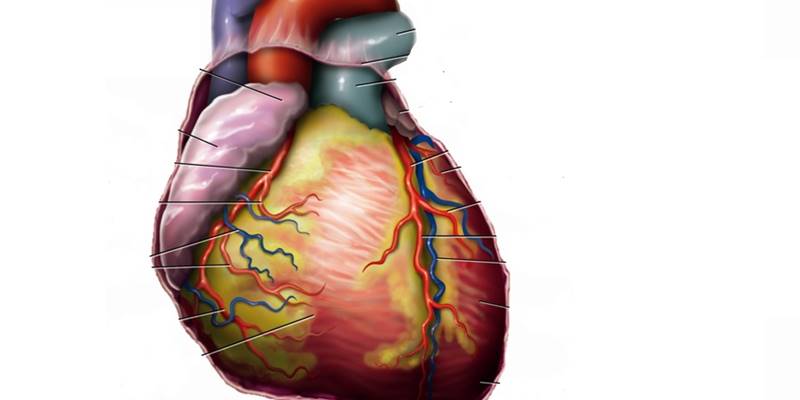
Image: PD

©2017 2 Minute Medicine, Inc. All rights reserved. No works may be reproduced without expressed written consent from 2 Minute Medicine, Inc. Inquire about licensing here. No article should be construed as medical advice and is not intended as such by the authors or by 2 Minute Medicine, Inc.
Tags: emergency departmentmyocardial infarctiontroponin
Previous Post

NICU provider burnout linked to multiple organizational factors

Next Post

2 Minute Medicine Rewind April 16, 2017

RelatedReports

Renal stones in women linked with increased risk of coronary heart disease
Emergency

Point-of-care ultrasound may be effective at identifying nephrolithiasis in the emergency department

May 11, 2026
Quick Take: State Gun Laws, Gun Ownership, and Mass Shootings in the US: Cross-Sectional Time Series
Emergency

Emergency department screening tool predicts firearm violence risk

April 6, 2026
Greater prenatal alcohol exposure trajectories linked to impaired growth and neurodevelopment
Emergency

Delivery of evidence-based interventions for alcohol misuse in the emergency department is low

March 16, 2026
Long-term Acetaminophen Use in Pregnancy and ADHD
Emergency

Placebo may be inferior compared to acetaminophen when given with morphine for the management of acute pain in the emergency department

March 6, 2026
Next Post
Attenuation values may help differentiate renal neoplasm from simple cyst on contrast-enhanced CT

2 Minute Medicine Rewind April 16, 2017

Galangin may sensitize apoptosis-resistant renal carcinoma cells [PreClinical]

Ultrasound and cystoscopy may be most cost-effective for asymptomatic microscopic hematuria

AAP reaffirms support for adolescents’ rights to confidential reproductive care

Targeted HIV-screening practices more effective for minority youths

2 Minute Medicine® is an award winning, physician-run, expert medical media company. Our content is curated, written and edited by practicing health professionals who have clinical and scientific expertise in their field of reporting. Our editorial management team is comprised of highly-trained MD physicians. Join numerous brands, companies, and hospitals who trust our licensed content.

Recent Reports

  • Two scores for risk stratification of adults presenting with syncope may be effective at identifying those with low risk
  • Use of procalcitonin in neonatal late-onset sepsis may reduce the duration of antibiotic therapy without increase in mortality
  • A novel therapy targeting γ-aminobutyric acid is safe and may be effective in major depressive disorder
License Content
Terms of Use | Disclaimer
Cookie Policy
Privacy Statement (EU)
Disclaimer
  • Specialties
    • All Specialties, All Recent Reports
    • Cardiology
    • Chronic Disease
    • Dermatology
    • Emergency
    • Endocrinology
    • Gastroenterology
    • Imaging and Intervention
    • Infectious Disease
    • Nephrology
    • Neurology
    • Obstetrics
    • Oncology
    • Ophthalmology
    • Pediatrics
    • Pharma
    • Preclinical
    • Psychiatry
    • Public Health
    • Pulmonology
    • Rheumatology
    • Surgery
  • Tools
    • EvidencePulse™
    • RVU Search
    • NPI Registry Lookup
  • Pharma
  • AI News
  • The Scan
  • Classics™
    • 2MM+ Online Access
    • Paperback and Ebook
  • Rewinds
  • Partners
    • License Content
    • Submit Press Release
    • Advertise with Us
  • Account
    • Subscribe
    • Sign-in
    • My account
No Result
View All Result

© 2026 2 Minute Medicine, Inc. - Physician-written medical news.