2 Minute Medicine Rewind August 31, 2026
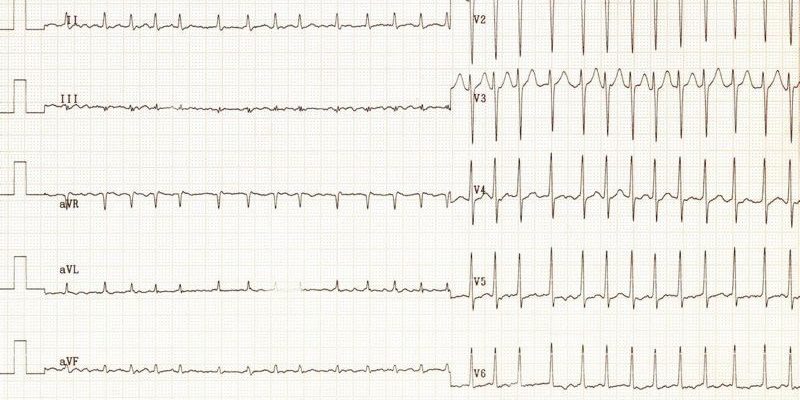
Periprocedural Mortality Risk After Elective Atrial Fibrillation Ablation in Japan
1. The in-hospital mortality rate among patients undergoing elective catheter ablation for atrial fibrillation was low at approximately 0.029%.
Evidence Rating Level: 2 (Good)
Catheter ablation is a widely employed procedure for symptom management in patients with atrial fibrillation. However, it is unknown whether safety has been preserved when expanding this procedure into widespread clinical practice. This cohort study therefore sought to investigate the periprocedural mortality among patients undergoing elective catheter ablation for atrial fibrillation. 412,947 patients (median[IQR] age, 68[60-74] years; 69.9% male) from Japan who underwent elective atrial fibrillation between April 2012 and March 2023 were included in this study. In-hospital mortality occurred in 119 of these patients, corresponding to a rate of 0.029% (95% CI, 0.024-0.034%). Some factors associated with in-hospital mortality included older age (OR, 1.04; 95% CI, 1.01-1.07), lower body mass index (OR, 0.94; 95% CI, 0.89-1.00) and an institutional volume of less than or equal to 50 procedures per year (OR, 2.52; 95% CI, 1.45-4.38). Overall, this study found that the in-hospital mortality rate for patients undergoing elective catheter ablation for atrial fibrillation is relatively low and provides a modern benchmark for Japanese patients undergoing this procedure.
1. Cognitive behaviour therapy for insomnia (CBT-I) is more effective in reducing insomnia for women undergoing chemotherapy for breast cancer compared to bright light therapy (BLT).
Evidence Rating Level: 1 (Excellent)
Insomnia symptoms are extremely common among women with breast cancer undergoing chemotherapy and are associated with worse clinical outcomes. Some existing options for the management of insomnia include CBT-I, which remains first-line therapy, and BLT, which targets the circadian rhythm to alleviate insomnia symptoms. However, evidence for these therapies among chemotherapy patients is lacking. This randomized controlled trial therefore sought to investigate the efficacy of CBT-I and BLT in the management of insomnia in women undergoing chemotherapy for breast cancer. 219 women (mean[SD] age, 50.7[10.8] years] from 5 Australian centres with breast cancer undergoing chemotherapy were included in the trial. Patients were randomized to either CBT-I alone, BLT alone, CBT-I plus BLT, and sleep hygiene education (SHE). Patients in CBT-I groups had significantly greater reduction in insomnia symptoms compared with non-CBT-I groups (insomnia severity index [ISI] score mean difference [MD], −2.19 [95% CI, −3.33 to −1.05] points; P = .002; standardized mean difference, -0.40). There were no significant differences in ISI scores between BLT and non-BLT groups with an ISI score MD of -0.88 points (95% CI, −2.02 to 0.26 points; P = .26). Overall, this study found that among women undergoing chemotherapy for breast cancer, CBT-I is significantly more effective compared with BLT in improving insomnia symptoms.
1. Adherence to a healthy lifestyle is associated with an approximately 44% reduction in infection incidence among patients living with type 2 diabetes mellitus (T2DM).
Evidence Rating Level: 2 (Good)
Patients with T2DM are known to be at increased risk of infections, yet further strategies for preventing such infections are needed. A healthy lifestyle has been shown to reduce risk of infections in the general population, but it is unknown whether such benefits extend to patients with T2DM. This prospective cohort study therefore sought to investigate the association between healthy lifestyle adherence among patients with T2DM and infection incidence and the biological pathways involved. 12,885 patients with T2DM (mean age, 60.1 years, 30.6% female) from the UK Biobank were included in the study. Participants were classified into three categories of lifestyle (ideal, intermediate and poor) based on various factors including physical activity level, alcohol consumption, dietary quality, sleep health and others. Patients in the ideal lifestyle group had a 44% lower incidence of total infections, with notable protection against pneumonia (IRR, 0.45; 95% CI, 0.31-0.63) and sepsis (IRR, 0.60; 95% CI, 0.41-0.90). Patients in the intermediate lifestyle group had a 21% lower risk of infection (IRR, 0.79; 95% CI, 0.71-0.88). Some important protective factors investigated included never smoking (IRR, 0.63; 95% CI, 0.55-0.73), adequate sleep duration (IRR, 0.83; 95% CI, 0.76-0.90) and regular physical activity (IRR, 0.89; 95% CI, 0.82-0.97). Overall, this study found that among patients with T2DM, adherence to a healthy lifestyle was associated with significantly reduced risk of infection.
1. Patients in Sweden with COVID-19 and lower levels of education or of Northwestern European or Northern American descent were at higher risk of non-admission to the intensive care unit (ICU).
Evidence Rating Level: 2 (Good)
Many patients throughout the COVID-19 pandemic required ICU level care, with withholding of treatment employed only if patients refuse treatment or if treatment is deemed futile. This retrospective, multicentre cohort study sought to investigate the incidence of non-admission to the ICU among patients in Sweden with COVID-19 based on socioeconomic factors. 20,764 patients from 5 centres in Sweden admitted to hospital with COVID-19 between March 2020 and February 2023 were included in the study. In total, 2823 (13.6%) of patients received non-admission to the ICU. Patients within the non-admission group were less likely to have completed tertiary education (584 [20.7%]) compared with patients not in the non-admission group (5578 [31.1%]). Further, patients within the non-admission group were more likely to have lived in a single-person household (1460 [51.7%]) compared with patients not in the non-admission group (5060 [28.2%]). Being born in Northwestern Europe or Northern America was also associated with increased risk of non-admission to the ICU (adjusted risk ratio 1.15 [95% CI, 1.06-1.26], p<0.01). Overall, this study found that among patients with COVID-19 in Sweden, lower level of education and being of Northwestern European or Northern American descent were associated with increased risk of ICU non-admission.
1. Among chronically homeless patients who moved into supported housing units in Ottawa, Canada, the mortality rate was high at 22%.
Evidence Rating Level: 2 (Good)
Homeless people have markedly higher rates of mortality compared to the general population, with deaths occurring due to various preventable causes including drug overdose or poorly managed chronic disease. Supported housing has become an increasingly important policy, both in Canada and internationally, for addressing homeless health outcomes. This retrospective cohort study sought to characterize mortality in the post-housing period among homeless people who moved into supported housing units. 123 homeless people (mean[SD] age, 41.3[11.9] years; 62% men) from Ottawa, Canada who moved into supported housing units were included in the study. Among these 123 participants, 27 (22%) died during the observation period of the study, with the median[SD] length of follow-up being 2.6[2.0] years. The most common cause of death was “other causes” which occurred in 11 (40%) of participants, while other causes include “natural causes” in 7 (26%) participants and opioid overdose in 7 (26%) participants. Overall, this study found that among homeless people who moved into supported housing units in Ottawa, Canada, the mortality rate was high at over one in five.
Image: PD
©2026 2 Minute Medicine, Inc. All rights reserved. No works may be reproduced without expressed written consent from 2 Minute Medicine, Inc. Inquire about licensing here. No article should be construed as medical advice and is not intended as such by the authors or by 2 Minute Medicine, Inc.