• About
  • Masthead
  • License Content
  • Advertise
  • Press Releases
  • Newsroom
  • RSS/Email List
  • 2MM Podcast
  • Write for us
  • Contact Us
2 Minute Medicine
No Result
View All Result

No products in the cart.

Sign in
SUBSCRIBE
  • About
  • Specialties
    • All Specialties, All Recent Reports
    • Cardiology
    • Chronic Disease
    • Dermatology
    • Emergency
    • Endocrinology
    • Gastroenterology
    • Imaging and Intervention
    • Infectious Disease
    • Nephrology
    • Neurology
    • Obstetrics
    • Oncology
    • Ophthalmology
    • Pediatrics
    • Pharma
    • Preclinical
    • Psychiatry
    • Public Health
    • Pulmonology
    • Rheumatology
    • Surgery
    • Rewinds
    • The Scan
  • EvidencePulse™
  • HypeCheck™
  • AI News
  • Classics™
    • 2MM+ Online Access
    • Paperback and Ebook
  • Tools
    • NPI Registry Lookup
    • RVU Search
    • ICD-10 Code Lookup
    • Medical School Rankings
    • FDA Drug Approvals
    • Drug Safety for Breastfeeding/Pregnancy
    • Clinical Guidelines
    • Medical Calculators
  • Partners
    • License Content
    • Advertise with Us
2 Minute Medicine
  • About
  • Specialties
    • All Specialties, All Recent Reports
    • Cardiology
    • Chronic Disease
    • Dermatology
    • Emergency
    • Endocrinology
    • Gastroenterology
    • Imaging and Intervention
    • Infectious Disease
    • Nephrology
    • Neurology
    • Obstetrics
    • Oncology
    • Ophthalmology
    • Pediatrics
    • Pharma
    • Preclinical
    • Psychiatry
    • Public Health
    • Pulmonology
    • Rheumatology
    • Surgery
    • Rewinds
    • The Scan
  • EvidencePulse™
  • HypeCheck™
  • AI News
  • Classics™
    • 2MM+ Online Access
    • Paperback and Ebook
  • Tools
    • NPI Registry Lookup
    • RVU Search
    • ICD-10 Code Lookup
    • Medical School Rankings
    • FDA Drug Approvals
    • Drug Safety for Breastfeeding/Pregnancy
    • Clinical Guidelines
    • Medical Calculators
  • Partners
    • License Content
    • Advertise with Us
Sign in
SUBSCRIBE
2 Minute Medicine
Sign in
Subscribe
2 Minute MedicineFree on Google PlayGet
✦EvidencePulse™by 2 Minute Medicine3 reportsYou askedtop stroke trials 2026Synthesizing medical evidence...Top 2026 stroke trial results:OCEANIC — ischemic stroke: 6.2% vs 8.4%OPTION* — mRS 0–1: 43.6% vs 34.2%ORIENTAL* — mRS 0–2: 58.6% vs 46.6%*Higher sICH in intervention armsParticipants randomizedNOCEANIC12,327OPTION570ORIENTAL564Ask about guidelines or landmark trials...↑Try EvidencePulse™Ask the evidence. Get the signal.Try it now →
Home All Specialties Obstetrics

More live births after natural cycle IVF

byMaren ShapiroandLeah Hawkins Bressler, MD, MPH
August 30, 2015
in Obstetrics
Reading Time: 3 mins read
Share on FacebookShare on TwitterShare on LinkedIn

1. In poor responders, live birth rates were higher after modified natural stimulation compared with high-dose hormonal stimulation cycles.

2. Compared to high-dose cycles, modified natural cycles resulted in fewer follicles on day of trigger, fewer oocytes retrieved, and fewer good-quality embryos transferred.

Evidence Rating Level: 2 (Good)

Study Rundown: Advancements in assisted reproductive technology, like in vitro fertilization (IVF), have expanded hope for patients with infertility. A subset of infertile women with diminished ovarian reserve, however, have lower rates of achieving pregnancy with IVF treatments. These women, known as poor responders, experience a blunted response to ovarian stimulation with gonadotropin hormones such that they fail to produce an appropriate amount of viable oocytes. Diminished ovarian reserve is a diagnosis made following clinical and laboratory assessment (anti-mullerian hormone levels, cycle day 3 follicle stimulating hormone (FSH) levels, sonographic antral follicle count) whereas poor responders are diagnosed after functional testing (controlled ovarian hyperstimulation) demonstrates a suboptimal or inadequate response. There are many protocols for controlled ovarian hyperstimulation and when poor responders fail to achieve results with more standard protocols, alternative protocols are often tried. Poor responders are often tried on a cycle with higher doses of gonadotropins but in recent years a modified natural cycle using less hormones has been increasingly used with promising but mixed results. Prior research demonstrates that modified natural cycles are associated with improved live birth rates in couples with a high chance of success with IVF and drastic reductions in cost. In this retrospective cohort analysis, researchers compared differences in live births between natural and high-dose stimulation protocols among poor responders.

Women undergoing natural cycles were significantly more likely to experience live birth than those in the high-dose group despite lower oocyte yields. Results imply that higher doses of gonadotropins might stimulate greater yield of oocytes but at the cost of quality. Strengths of this study included the first study to directly compare these two stimulation protocols. Findings were limited by retrospective design, observational results and relatively small sample size. A randomized controlled trial assessing reproducibility would solidify results presented herein.

Click to read the study in Human Reproduction

RELATED REPORTS

Bariatric surgery may improve rates for spontaneous ovulation in patients with polycystic ovarian syndrome and obesity

Intracytoplasmic sperm injection offers no benefit over in-vitro fertilization for non-severe male factor infertility

Relevant Reading: Live birth rates following natural cycle IVF in women with poor ovarian response according to the Bologna criteria

In-Depth [retrospective cohort study]: Women who presented to an Italian fertility center for IVF from January 2008-December 2013 and qualified as diminished ovarian reserve (antral follicle count ≤5, basal FSH >12 IU/I, and ≥1 previous failed IVF cycle) were included in the study. There were 161 modified natural cycles and 164 high-dose cycles. The primary outcome was live birth.

The probability of live birth was higher with natural compared with high-dose cycles (OR: 4.01, 95%CI 1.14-14.09). Participants in the modified natural cycle group produced fewer follicles (1.9 vs. 3.2, p < 0.001), had fewer oocytes retrieved (1.1 vs. 2.4, p < 0.001) and fewer embryos transferred (0.7 vs. 1.4, p < 0.001). The proportion of cycles resulting in transfer of at least one good-quality embryo was similar between groups.

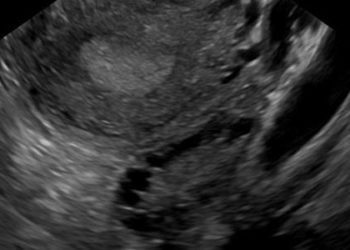
Image: CC/WikimediaCommons/ScienceGenetics

©2015 2 Minute Medicine, Inc. All rights reserved. No works may be reproduced without expressed written consent from 2 Minute Medicine, Inc. Inquire about licensing here. No article should be construed as medical advice and is not intended as such by the authors or by 2 Minute Medicine, Inc.

Tags: in vitro fertilizationreproductive endocrinology
Previous Post

Radiographic surrogates may predict tumor-specific survival in renal carcinoma

Next Post

Food environment associated with gestational diabetes

RelatedReports

Letrozole (Femara) boosts fertility of women with Polycystic Ovarian Syndrome
Chronic Disease

Bariatric surgery may improve rates for spontaneous ovulation in patients with polycystic ovarian syndrome and obesity

June 12, 2024
Chronic Disease

Intracytoplasmic sperm injection offers no benefit over in-vitro fertilization for non-severe male factor infertility

April 12, 2024
Assisted conception not associated with increased pediatric cancer risk
Endocrinology

Double embryo transfer may be associated with neonatal risks

December 19, 2022
Mental retardation associated with IVF treatment
Chronic Disease

No difference in live birth rates between intracytoplasmic sperm injection and conventional in-vitro fertilization for couples with non-male factor infertility

May 6, 2021
Next Post

Food environment associated with gestational diabetes

Substance abuse prevalent among adolescents with chronic medical conditions

Hearing screening may not detect all infants with hearing loss

Hearing screening may not detect all infants with hearing loss

✦ EvidencePulse™ by 2 Minute Medicine 3 reports You asked top stroke trials 2026 Synthesizing medical evidence... Top 2026 stroke trial results: OCEANIC — ischemic stroke: 6.2% vs 8.4% OPTION* — mRS 0–1: 43.6% vs 34.2% ORIENTAL* — mRS 0–2: 58.6% vs 46.6% *Higher sICH in intervention arms Participants randomizedN OCEANIC 12,327 OPTION 570 ORIENTAL 564 Ask about guidelines or landmark trials... Try EvidencePulse™ Get the signal. Try it now → Physician-trained medical AI by 2 Minute Medicine

2MM+ All Access

Full details →
$4.99 /month

3-day free trial · cancel anytime

  • ✓100+ physician-written reports
  • ✓EvidencePulse™ + HypeCheck™
  • ✓Ad-free reading + newsletters
Start 3-day free trial

Then $4.99/month. Manage renewal in your account.

NPI Lookup · Free

Look up any US clinician

Search by name or NPI number, live from the CMS NPI Registry.

  • OIG exclusion check
  • Licenses and specialties
  • No account needed
Open NPI Lookup →

2 Minute Medicine® is an award winning, physician-run, expert medical media company. Our content is curated, written and edited by practicing health professionals who have clinical and scientific expertise in their field of reporting. Our editorial management team is comprised of highly-trained MD physicians. Join numerous brands, companies, and hospitals who trust our licensed content.

Recent Reports

  • A concentrated exposure therapy intervention may be more effective than digital cognitive behavioural therapy in obsessive-compulsive disorder
  • Routine CT scans show steeper fat loss years before pancreatic cancer diagnosis
  • Post-hoc CHARM analysis linked CIRARA with better functional outcomes in selected patients with severe stroke
License Content
Terms of Use | Disclaimer
Cookie Policy

Get the app

Read 2 Minute Medicine on iPhone, iPad and Android.

Download on the App StoreGet it on Google Play
QR code for www.2minutemedicine.com/app
On a computer? Scan this with your phone’s camera.
2MM+ All Access Full details →

The medical literature, distilled daily.

Monthly plan selected: $4.99 /month.

$4.99/month

3-day free trial · cancel anytime

Start 3-day free trial

Then $4.99/month. Manage renewal in your account.

Yearly plan selected: $49.90 /year.

$49.90/year

2 months free

Start 3-day free trial

Then $49.90/year.

Membership benefits

  • ✓100+ physician-written reports
  • ✓AI EvidencePulse™ + HypeCheck™
  • ✓Ad-free reading + newsletters
  • ✓NPI watchlist + bulk NPI verification

Already a member? Sign in

  • Get the app
  • About
  • Specialties
    • All Specialties, All Recent Reports
    • Cardiology
    • Chronic Disease
    • Dermatology
    • Emergency
    • Endocrinology
    • Gastroenterology
    • Imaging and Intervention
    • Infectious Disease
    • Nephrology
    • Neurology
    • Obstetrics
    • Oncology
    • Ophthalmology
    • Pediatrics
    • Pharma
    • Preclinical
    • Psychiatry
    • Public Health
    • Pulmonology
    • Rheumatology
    • Surgery
    • Rewinds
    • The Scan
  • EvidencePulse™
  • HypeCheck™
  • AI News
  • Classics™
    • 2MM+ Online Access
    • Paperback and Ebook
  • Tools
    • NPI Registry Lookup
    • RVU Search
    • ICD-10 Code Lookup
    • Medical School Rankings
    • FDA Drug Approvals
    • Drug Safety for Breastfeeding/Pregnancy
    • Clinical Guidelines
    • Medical Calculators
  • Partners
    • License Content
    • Advertise with Us
No Result
View All Result

© 2026 2 Minute Medicine, Inc. - Physician-written medical news.