• About
  • Masthead
  • License Content
  • Advertise
  • Submit Press Release
  • RSS/Email List
  • 2MM Podcast
  • Write for us
  • Contact Us
2 Minute Medicine
No Result
View All Result

No products in the cart.

SUBSCRIBE
  • Specialties
    • All Specialties, All Recent Reports
    • Cardiology
    • Chronic Disease
    • Dermatology
    • Emergency
    • Endocrinology
    • Gastroenterology
    • Imaging and Intervention
    • Infectious Disease
    • Nephrology
    • Neurology
    • Obstetrics
    • Oncology
    • Ophthalmology
    • Pediatrics
    • Pharma
    • Preclinical
    • Psychiatry
    • Public Health
    • Pulmonology
    • Rheumatology
    • Surgery
  • Tools
    • EvidencePulse™
    • RVU Search
    • NPI Registry Lookup
  • Pharma
  • AI News
  • The Scan+
  • Classics™+
    • 2MM+ Online Access
    • Paperback and Ebook
  • Rewinds
  • Partners
    • License Content
    • Submit Press Release
    • Advertise with Us
  • Account
    • Subscribe
    • Sign-in
    • My account
2 Minute Medicine
  • Specialties
    • All Specialties, All Recent Reports
    • Cardiology
    • Chronic Disease
    • Dermatology
    • Emergency
    • Endocrinology
    • Gastroenterology
    • Imaging and Intervention
    • Infectious Disease
    • Nephrology
    • Neurology
    • Obstetrics
    • Oncology
    • Ophthalmology
    • Pediatrics
    • Pharma
    • Preclinical
    • Psychiatry
    • Public Health
    • Pulmonology
    • Rheumatology
    • Surgery
  • Tools
    • EvidencePulse™
    • RVU Search
    • NPI Registry Lookup
  • Pharma
  • AI News
  • The Scan+
  • Classics™+
    • 2MM+ Online Access
    • Paperback and Ebook
  • Rewinds
  • Partners
    • License Content
    • Submit Press Release
    • Advertise with Us
  • Account
    • Subscribe
    • Sign-in
    • My account
SUBSCRIBE
2 Minute Medicine
Subscribe
Home The Classics General Medicine Classics

The SPAF trial: Warfarin and aspirin reduce the risk of stroke in atrial fibrillation [Classics Series]

byAndrew Cheung, MD MBA
October 22, 2015
in General Medicine Classics, The Classics
Reading Time: 2 mins read
0
Share on FacebookShare on Twitter

1. Patients with atrial fibrillation are at higher risk of ischemic stroke and systemic embolism.

2. Compared to placebo, warfarin and aspirin significantly reduced the risk of ischemic stroke and systemic embolism in patients with atrial fibrillation.

3. Today, antithrombotic therapy remains a vital consideration in managing patients with atrial fibrillation, though many more agents are available.

Original Date of Publication: August 1991

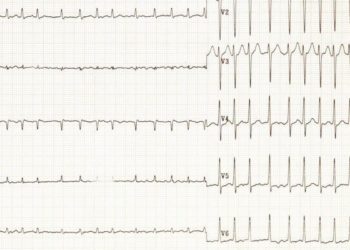
Study Rundown: Patients with atrial fibrillation have a higher risk of ischemic stroke. It is suspected that atrial fibrillation increases the risk of left atrial thrombi, which subsequently increases the risk of cardioembolic stroke. Thus, many patients with atrial fibrillation are treated with antithrombotic therapy to reduce the risk of stroke and systemic embolism. The Stroke Prevention in Atrial Fibrillation (SPAF) trial was conducted to determine the effects of warfarin and aspirin on ischemic stroke and systemic embolism as compared to placebo. While preliminary results had been published previously, this paper described the final results of the trial.

In summary, it was found that both warfarin and aspirin significantly reduced the risk of ischemic stroke and systemic embolism when compared with placebo. Patients on warfarin experienced a 67% reduction in this risk, while those on aspirin experienced a 42% reduction compared to patients taking placebo. Both warfarin and aspirin were compared directly to placebo, but not to one another. This study was one of the first randomized trials demonstrating that antithrombotic therapy reduced the risk of ischemic stroke and systemic embolism in patients with atrial fibrillation, and antithrombotic therapy remains a vital consideration in the management of these patients today.

RELATED REPORTS

Catheter ablation within 1 year of atrial fibrillation diagnosis is associated with reduced risk of recurrence

2 Minute Medicine Rewind July 20, 2026

COVID-19 vaccination is associated with reduced risk of new-onset atrial fibrillation following COVID-19 infection

Click to read the study in Circulation

In-Depth [randomized controlled trial]: This randomized trial was conducted at 15 centers. Inclusion criteria were electrocardiographically documented atrial fibrillation in the 12 months prior to enrollment, no prosthetic heart valves, no echocardiographic evidence of mitral stenosis, and no other requirements for or contraindications to aspirin or warfarin. Patients who had experienced a stroke or transient ischemic attack >2 years before enrollment were also eligible. Exclusion criteria included transient, self-limited atrial fibrillation episodes, prosthetic heart valves, stroke or TIA within the preceeding 2 years, life expectancy <2 years due to another medical condition (e.g., metastatic cancer), and chronic renal failure. Included patients were randomized to treatment with warfarin (dose-adjusted to international normalized ratio between 2.0 and 4.5), aspirin 325 mg daily, or placebo. The primary outcome was ischemic stroke or systemic embolism, while secondary outcomes were myocardial infarction, TIA, unstable angina requiring hospitalization, and death.

A total of 1330 patients were randomized. When compared to placebo, patients in the warfarin group experienced significantly lower rates of ischemic stroke and systemic embolism (2.3% vs. 7.4% per year; risk reduction 67%, 95%CI 27 to 85%, p = 0.01). Patients taking aspirin also experienced significantly lower rates of ischemic stroke and systemic embolism when compared with those on placebo (3.6% vs. 6.3% per year; risk reduction 42%, 95%CI 9 to 63%, p = 0.02). The rate of major bleeding was between 1 to 2% per year in the warfarin and aspirin groups.

Image: PD

©2015 2 Minute Medicine, Inc. All rights reserved. No works may be reproduced without expressed written consent from 2 Minute Medicine, Inc. Inquire about licensing here. No article should be construed as medical advice and is not intended as such by the authors or by 2 Minute Medicine, Inc.

Tags: anticoagulationatrial fibrillation
Previous Post

Rising resistance to antibiotic prophylaxis in surgery and chemotherapy

Next Post

Total knee replacement with post-surgical regimen yields greater relief vs nonsurgical treatment alone

RelatedReports

Rivaroxaban likely reduces risk of recurrent stroke in specific subgroup of patients with embolic stroke of undetermined source
Cardiology

Catheter ablation within 1 year of atrial fibrillation diagnosis is associated with reduced risk of recurrence

July 24, 2026
Remote patient monitoring did not reduce heart failure readmissions: The BEAT-HF trial
Weekly Rewinds

2 Minute Medicine Rewind July 20, 2026

July 20, 2026
Novel coronavirus identified from patients with pneumonia in Wuhan, China
Cardiology

COVID-19 vaccination is associated with reduced risk of new-onset atrial fibrillation following COVID-19 infection

April 29, 2026
Development of a risk index for colorectal cancer screening
Weekly Rewinds

2 Minute Medicine Rewind April 27, 2026

April 27, 2026
Next Post
Total knee replacement with post-surgical regimen yields greater relief vs nonsurgical treatment alone

Total knee replacement with post-surgical regimen yields greater relief vs nonsurgical treatment alone

Adverse pregnancy outcomes associated with thrombophilias [Classics Series]

The CONSENSUS: Enalapril reduces mortality in severe heart failure [Classics Series]

Malarial transmission substantially reduced in endemic Africa

Infrequent exposure to malarial parasites associated with increased infections

2 Minute Medicine® is an award winning, physician-run, expert medical media company. Our content is curated, written and edited by practicing health professionals who have clinical and scientific expertise in their field of reporting. Our editorial management team is comprised of highly-trained MD physicians. Join numerous brands, companies, and hospitals who trust our licensed content.

Recent Reports

  • Surgery is associated with an increased quality of life in women with endometriosis
  • Bougie-guided and stylet-guided intubation may have similar success rate in the intubation of trauma patients
  • Joint fusion superior to watchful waiting for hallux rigidus 
License Content
Terms of Use | Disclaimer
Cookie Policy
Privacy Statement (EU)
Disclaimer
  • Specialties
    • All Specialties, All Recent Reports
    • Cardiology
    • Chronic Disease
    • Dermatology
    • Emergency
    • Endocrinology
    • Gastroenterology
    • Imaging and Intervention
    • Infectious Disease
    • Nephrology
    • Neurology
    • Obstetrics
    • Oncology
    • Ophthalmology
    • Pediatrics
    • Pharma
    • Preclinical
    • Psychiatry
    • Public Health
    • Pulmonology
    • Rheumatology
    • Surgery
  • Tools
    • EvidencePulse™
    • RVU Search
    • NPI Registry Lookup
  • Pharma
  • AI News
  • The Scan
  • Classics™
    • 2MM+ Online Access
    • Paperback and Ebook
  • Rewinds
  • Partners
    • License Content
    • Submit Press Release
    • Advertise with Us
  • Account
    • Subscribe
    • Sign-in
    • My account
No Result
View All Result

© 2026 2 Minute Medicine, Inc. - Physician-written medical news.