• About
  • Masthead
  • License Content
  • Advertise
  • Submit Press Release
  • RSS/Email List
  • 2MM Podcast
  • Write for us
  • Contact Us
2 Minute Medicine
No Result
View All Result

No products in the cart.

SUBSCRIBE
  • Specialties
    • All Specialties, All Recent Reports
    • Cardiology
    • Chronic Disease
    • Dermatology
    • Emergency
    • Endocrinology
    • Gastroenterology
    • Imaging and Intervention
    • Infectious Disease
    • Nephrology
    • Neurology
    • Obstetrics
    • Oncology
    • Ophthalmology
    • Pediatrics
    • Pharma
    • Preclinical
    • Psychiatry
    • Public Health
    • Pulmonology
    • Rheumatology
    • Surgery
  • Tools
    • EvidencePulse™
    • RVU Search
    • NPI Registry Lookup
  • Pharma
  • AI News
  • The Scan+
  • Classics™+
    • 2MM+ Online Access
    • Paperback and Ebook
  • Rewinds
  • Partners
    • License Content
    • Submit Press Release
    • Advertise with Us
  • Account
    • Subscribe
    • Sign-in
    • My account
2 Minute Medicine
  • Specialties
    • All Specialties, All Recent Reports
    • Cardiology
    • Chronic Disease
    • Dermatology
    • Emergency
    • Endocrinology
    • Gastroenterology
    • Imaging and Intervention
    • Infectious Disease
    • Nephrology
    • Neurology
    • Obstetrics
    • Oncology
    • Ophthalmology
    • Pediatrics
    • Pharma
    • Preclinical
    • Psychiatry
    • Public Health
    • Pulmonology
    • Rheumatology
    • Surgery
  • Tools
    • EvidencePulse™
    • RVU Search
    • NPI Registry Lookup
  • Pharma
  • AI News
  • The Scan+
  • Classics™+
    • 2MM+ Online Access
    • Paperback and Ebook
  • Rewinds
  • Partners
    • License Content
    • Submit Press Release
    • Advertise with Us
  • Account
    • Subscribe
    • Sign-in
    • My account
SUBSCRIBE
2 Minute Medicine
Subscribe
Home All Specialties Cardiology

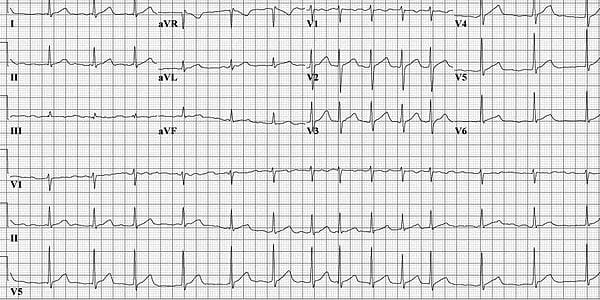
Rate and rhythm control similar in atrial fibrillation after cardiac surgery
byShayna BejaimalandShaidah Deghan, MSc. MD
May 20, 2016
in Cardiology, Chronic Disease, Surgery
Reading Time: 3 mins read
0
Share on FacebookShare on Twitter

1. In this randomized controlled trial, there was no difference in total length of hospital stay after elective cardiac surgery in patients with postoperative atrial fibrillation randomized to either rhythm or rate control.

2. The secondary outcomes of death and adverse events also did not show any significant difference.

Evidence Rating Level: 1 (Excellent)

Study Rundown: Atrial fibrillation after cardiac surgery is associated with mortality and morbidity. However, it is unclear whether rate or rhythm control after such surgery is the better initial management strategy. This randomized controlled trial compared rate and rhythm control in stable patients with new post-operative atrial fibrillation on the total length of hospital stay within 60 days after randomization.

Postoperative atrial fibrillation occurred in 33% of patients undergoing cardiac surgery. The mean number of days in hospital was not significantly different between the rate-control vs. rhythm-control groups. There was also no significant difference in rates of death or overall adverse outcomes between the two medical management styles. Approximately 25% of patients could not adhere to their assigned treatment strategy. The main reasons for switching treatment groups were: amiodarone side effects in the rhythm-control group, or drug ineffectiveness in the rate-control group. There was also a non-significant difference in proportion of patients free from atrial fibrillation from discharge or 60 days. Limitations include the use of a surrogate outcome for mortality or another clinically relevant outcome. Also there was a high rate of treatment discontinuation but the effects of these were minimized in the secondary intention-to-treat analysis.

Click to read the study, published today in NEJM

RELATED REPORTS

COVID-19 vaccination is associated with reduced risk of new-onset atrial fibrillation following COVID-19 infection

2 Minute Medicine Rewind April 27, 2026

2 Minute Medicine Rewind March 2, 2026

Relevant Reading: A Comparison of Rate Control and Rhythm Control in Patients with Atrial Fibrillation (AFFIRM)

In-Depth [randomized controlled trial]: This randomized controlled trial was conducted from May 2014 to 2015 at over 20 sites across the USA and Canada. Patients who were hemodynamically stable undergoing elective cardiac surgery with no history of atrial fibrillation were enrolled. Those who had post-operative atrial fibrillation were randomized to rhythm-control (amiodarone with or without a rate control agent) or rate control (HR controlled to <100 beats per minute). If patients in the rate control group did not respond to the strategy of rate control they were switched to rhythm control if this could alleviate symptoms or improve their hemodynamic status. If participants in the rhythm control group could not attain control, cardioversion was recommended. The primary endpoint was the total number of days in the hospital (including emergency department visits within 60 days after randomization). Secondary outcomes included length of index hospital stay, need for readmission, rates of death and adverse events.

Of all patients undergoing elective cardiac surgery, 33% (N=695) had postoperative atrial fibrillation. Of these, 595 underwent randomization. The total numbers of hospital days were similar across the rate and rhythm-control groups (median 5.1 vs. 5.0 days respectively; p= 0.76). There was also no significant different in death (p=0.64) or adverse events (p=0.61). However, up to 25% of patients in each group deviated from their assigned treatment strategy. Reasons for deviation included preference of patient or provider (20% vs. 35%, rate vs. rhythm control respectively), ineffectiveness of HR drug (51% of rate control patients), or side effects of the amiodarone (65% in the rhythm control patients).

Image: PD

©2016 2 Minute Medicine, Inc. All rights reserved. No works may be reproduced without expressed written consent from 2 Minute Medicine, Inc. Inquire about licensing here. No article should be construed as medical advice and is not intended as such by the authors or by 2 Minute Medicine, Inc.

Tags: atrial fibrillation
Previous Post

Respiratory symptoms frequent in smokers despite normal spirometry: The SPIROMICS study

Next Post

Pediatric DKA associated with recent acute care visits

RelatedReports

Novel coronavirus identified from patients with pneumonia in Wuhan, China
Cardiology

COVID-19 vaccination is associated with reduced risk of new-onset atrial fibrillation following COVID-19 infection

April 29, 2026
Development of a risk index for colorectal cancer screening
Weekly Rewinds

2 Minute Medicine Rewind April 27, 2026

April 27, 2026
Few older adolescents meet recommended levels of physical activity
Weekly Rewinds

2 Minute Medicine Rewind March 2, 2026

March 2, 2026
Mild-to-moderate hypertriglyceridemia associated with higher risk of acute pancreatitis
Cardiology

Association between atrial fibrillation and both the in-hospital mortality and disease severity in acute pancreatitis: insights from a multicenter study

January 12, 2026
Next Post
Pediatric DKA associated with recent acute care visits

Pediatric DKA associated with recent acute care visits

Type 2 diabetes associated with reduction in disability-free life years

Diabetic foot ulcers associated with worsening cognitive decline

Corticosteroids improve outcomes in treatment of community-acquired pneumonia

Misperceptions about prognosis among surrogates of critically ill patients

2 Minute Medicine® is an award winning, physician-run, expert medical media company. Our content is curated, written and edited by practicing health professionals who have clinical and scientific expertise in their field of reporting. Our editorial management team is comprised of highly-trained MD physicians. Join numerous brands, companies, and hospitals who trust our licensed content.

Recent Reports

  • Venetoclax (Venclyxto) expands treatment options as chronic lymphocytic leukemia care moves further from chemotherapy
  • 2 Minute Medicine Rewind June 8, 2026
  • Guselkumab (Tremfya) strengthens its case for protecting joints in psoriatic arthritis
License Content
Terms of Use | Disclaimer
Cookie Policy
Privacy Statement (EU)
Disclaimer
  • Specialties
    • All Specialties, All Recent Reports
    • Cardiology
    • Chronic Disease
    • Dermatology
    • Emergency
    • Endocrinology
    • Gastroenterology
    • Imaging and Intervention
    • Infectious Disease
    • Nephrology
    • Neurology
    • Obstetrics
    • Oncology
    • Ophthalmology
    • Pediatrics
    • Pharma
    • Preclinical
    • Psychiatry
    • Public Health
    • Pulmonology
    • Rheumatology
    • Surgery
  • Tools
    • EvidencePulse™
    • RVU Search
    • NPI Registry Lookup
  • Pharma
  • AI News
  • The Scan
  • Classics™
    • 2MM+ Online Access
    • Paperback and Ebook
  • Rewinds
  • Partners
    • License Content
    • Submit Press Release
    • Advertise with Us
  • Account
    • Subscribe
    • Sign-in
    • My account
No Result
View All Result

© 2026 2 Minute Medicine, Inc. - Physician-written medical news.