



• About
  • Masthead
  • License Content
  • Advertise
  • Submit Press Release
  • RSS/Email List
  • 2MM Podcast
  • Write for us
  • Contact Us
2 Minute Medicine
No Result
View All Result

No products in the cart.

SUBSCRIBE
  • Specialties
    • All Specialties, All Recent Reports
    • Cardiology
    • Chronic Disease
    • Dermatology
    • Emergency
    • Endocrinology
    • Gastroenterology
    • Imaging and Intervention
    • Infectious Disease
    • Nephrology
    • Neurology
    • Obstetrics
    • Oncology
    • Ophthalmology
    • Pediatrics
    • Pharma
    • Preclinical
    • Psychiatry
    • Public Health
    • Pulmonology
    • Rheumatology
    • Surgery
  • Tools
    • EvidencePulse™
    • RVU Search
    • NPI Registry Lookup
  • Pharma
  • AI News
  • The Scan+
  • Classics™+
    • 2MM+ Online Access
    • Paperback and Ebook
  • Rewinds
  • Partners
    • License Content
    • Submit Press Release
    • Advertise with Us
  • Account
    • Subscribe
    • Sign-in
    • My account
2 Minute Medicine
  • Specialties
    • All Specialties, All Recent Reports
    • Cardiology
    • Chronic Disease
    • Dermatology
    • Emergency
    • Endocrinology
    • Gastroenterology
    • Imaging and Intervention
    • Infectious Disease
    • Nephrology
    • Neurology
    • Obstetrics
    • Oncology
    • Ophthalmology
    • Pediatrics
    • Pharma
    • Preclinical
    • Psychiatry
    • Public Health
    • Pulmonology
    • Rheumatology
    • Surgery
  • Tools
    • EvidencePulse™
    • RVU Search
    • NPI Registry Lookup
  • Pharma
  • AI News
  • The Scan+
  • Classics™+
    • 2MM+ Online Access
    • Paperback and Ebook
  • Rewinds
  • Partners
    • License Content
    • Submit Press Release
    • Advertise with Us
  • Account
    • Subscribe
    • Sign-in
    • My account
SUBSCRIBE
2 Minute Medicine
Subscribe
Home All Specialties Chronic Disease

Adolescents with type II diabetes have more complications than those with type I

byMichael MilliganandDaniel Fisher
March 1, 2017
in Chronic Disease, Endocrinology, Pediatrics, Public Health
Reading Time: 3 mins read
0
Share on FacebookShare on Twitter

1. In this prospective cohort, adolescents with type II diabetes (DM2) were more predisposed to almost every diabetes related complication at age 21 than those with type I diabetes (DM1).

2. When controlling for known risk factors, such as obesity and glycemic control, those with DM2 still had a higher rate of diabetic kidney disease, retinopathy, and peripheral neuropathy than those with DM1.

Evidence Rating Level: 2 (Good)

Study Rundown: The prevalence of DM1 and DM2 has been rising in pediatric populations over time. Understanding how these diseases lead to complications and comorbidities is essential. Despite their similarities, DM1 and DM2 represent distinct pathogenic mechanisms, and it is unclear whether specific environmental risk factors drive morbidity in one disease over the other. In this prospective, cross-sectional cohort analysis, adolescents from 5 major US cities with DM1 or DM2 were followed until age 21, and their rates of complications and comorbidities were recorded. While mean HbA1c were similar between groups, those with DM2 developed diabetic kidney disease, retinopathy, peripheral neuropathy, arterial stiffness, and hypertension at a greater rate than those with DM1. Cardiovascular autonomic neuropathy rates were similar between groups. In addition, those with DM2 had higher rates of obesity and elevated mean arterial pressure over time. After controlling for these multiple risk factors and others, those with DM2 still had higher rates of diabetic kidney disease, retinopathy, and peripheral neuropathy, though the changes in arterial stiffness and hypertension were attenuated to non-significant levels.

This study convincingly shows that adolescents with DM2 are more likely to develop complications associated with diabetes, and the data hints that environmental factors may not be the sole cause of this difference. Based on this study, more focused investigations into the pathogenesis of DM1 and DM2 should begin to search for mechanistic differences that may explain the differences in complication rates between these two diseases.

Click to read the study, published today in JAMA

RELATED REPORTS

Fremanezumab reduces migraine frequency in children and adolescents with episodic migraine

C-peptide levels during oral glucose tolerance test may be a useful biomarker for early detection of gestational diabetes mellitus

Energy-reduced Mediterranean diet with increased physical activity may significantly reduce risk of type 2 diabetes

Relevant Reading: Prevalence of Type 1 and Type 2 Diabetes Among Children and Adolescents From 2001 to 2009

In-Depth [prospective cohort]: In 5 US cities, 2018 adolescents under the age of 20 were followed until age 21 in the SEARCH for Diabetes in Youth registry study. Those with DM2 were older at time of diagnosis, were more likely female, and more likely from minority groups than those with DM1. Other demographic data were similar. While those with DM2 had higher measures of obesity and mean arterial pressure, HbA1c counts were similar between groups. Those with DM2 were more likely to have diabetic kidney disease (absolute difference 14.0%; CI95 9.1%-19.9%), retinopathy (3.5%; CI95 0.4%-7.7%), peripheral neuropathy (9.2%; CI95 4.8- 14.4%), arterial stiffness (35.9%; CI95 29%-42.9%), and hypertension (11.5%; CI95 6.8%- 16.9%) without a change in cardiac autonomic neuropathy (p > 0.05). Adjustments for age or race did not attenuate the differences between groups. A final model accounting for hemoglobin A1c level, BMI, waist-height ratio, and mean arterial pressure averaged over time attenuated the findings for arterial stiffness and hypertension non-significant levels, though all other associations remained significantly elevated in DM2.


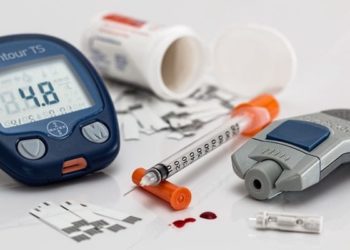
Image: PD

©2017 2 Minute Medicine, Inc. All rights reserved. No works may be reproduced without expressed written consent from 2 Minute Medicine, Inc. Inquire about licensing here. No article should be construed as medical advice and is not intended as such by the authors or by 2 Minute Medicine, Inc.

Tags: diabetes mellituspediatric
Previous Post

 Transgender adolescents report less sexual activity than non-transgender peers

Next Post

Lower doses of radiation for pediatric cancers associated with fewer subsequent cancers

RelatedReports

Migraines associated with an increased risk of cardiovascular events in women
Neurology

Fremanezumab reduces migraine frequency in children and adolescents with episodic migraine

January 23, 2026
2 Minute Medicine

C-peptide levels during oral glucose tolerance test may be a useful biomarker for early detection of gestational diabetes mellitus

January 13, 2026
Mediterranean diet may reduce age-related neurocognitive decline
Endocrinology

Energy-reduced Mediterranean diet with increased physical activity may significantly reduce risk of type 2 diabetes

August 28, 2025
Unpaid caregivers of older adults experience emotional, physical, and financial difficulty
All Specialties

Glucagon-like peptide-1 receptor agonists and dipeptidyl peptidase-4 inhibitors associated with similar dementia risk in older adults

July 22, 2025
Next Post
Ovarian cytology a poor screening test for malignancy in children

Lower doses of radiation for pediatric cancers associated with fewer subsequent cancers

Computed tomography improves diagnostic certainty in the emergency department

Most children needing end-of-life care receive it in acute care settings

Ultrasound enhances gastrointestinal absorption of drugs at low frequencies

Reminder devices may not improve medication adherence: The REMIND trial

2 Minute Medicine® is an award winning, physician-run, expert medical media company. Our content is curated, written and edited by practicing health professionals who have clinical and scientific expertise in their field of reporting. Our editorial management team is comprised of highly-trained MD physicians. Join numerous brands, companies, and hospitals who trust our licensed content.

Recent Reports

  • Appendectomy is associated with increased risk of non-typhoidal Salmonella infection in children
  • 2 Minute Medicine Rewind January 26, 2026
  • An electronic intervention may increase chances of benzodiazepine cessation
License Content
Terms of Use | Disclaimer
Cookie Policy
Privacy Statement (EU)
Disclaimer

© 2025 2 Minute Medicine, Inc. - Physician-written medical news.

  • Specialties
    • All Specialties, All Recent Reports
    • Cardiology
    • Chronic Disease
    • Dermatology
    • Emergency
    • Endocrinology
    • Gastroenterology
    • Imaging and Intervention
    • Infectious Disease
    • Nephrology
    • Neurology
    • Obstetrics
    • Oncology
    • Ophthalmology
    • Pediatrics
    • Pharma
    • Preclinical
    • Psychiatry
    • Public Health
    • Pulmonology
    • Rheumatology
    • Surgery
  • Tools
    • EvidencePulse™
    • RVU Search
    • NPI Registry Lookup
  • Pharma
  • AI News
  • The Scan
  • Classics™
    • 2MM+ Online Access
    • Paperback and Ebook
  • Rewinds
  • Partners
    • License Content
    • Submit Press Release
    • Advertise with Us
  • Account
    • Subscribe
    • Sign-in
    • My account
No Result
View All Result

© 2025 2 Minute Medicine, Inc. - Physician-written medical news.