• About
  • Masthead
  • License Content
  • Advertise
  • Submit Press Release
  • RSS/Email List
  • 2MM Podcast
  • Write for us
  • Contact Us
2 Minute Medicine
No Result
View All Result

No products in the cart.

SUBSCRIBE
  • Specialties
    • All Specialties, All Recent Reports
    • Cardiology
    • Chronic Disease
    • Dermatology
    • Emergency
    • Endocrinology
    • Gastroenterology
    • Imaging and Intervention
    • Infectious Disease
    • Nephrology
    • Neurology
    • Obstetrics
    • Oncology
    • Ophthalmology
    • Pediatrics
    • Pharma
    • Preclinical
    • Psychiatry
    • Public Health
    • Pulmonology
    • Rheumatology
    • Surgery
  • Tools
    • EvidencePulse™
    • RVU Search
    • NPI Registry Lookup
  • Pharma
  • AI News
  • The Scan+
  • Classics™+
    • 2MM+ Online Access
    • Paperback and Ebook
  • Rewinds
  • Partners
    • License Content
    • Submit Press Release
    • Advertise with Us
  • Account
    • Subscribe
    • Sign-in
    • My account
2 Minute Medicine
  • Specialties
    • All Specialties, All Recent Reports
    • Cardiology
    • Chronic Disease
    • Dermatology
    • Emergency
    • Endocrinology
    • Gastroenterology
    • Imaging and Intervention
    • Infectious Disease
    • Nephrology
    • Neurology
    • Obstetrics
    • Oncology
    • Ophthalmology
    • Pediatrics
    • Pharma
    • Preclinical
    • Psychiatry
    • Public Health
    • Pulmonology
    • Rheumatology
    • Surgery
  • Tools
    • EvidencePulse™
    • RVU Search
    • NPI Registry Lookup
  • Pharma
  • AI News
  • The Scan+
  • Classics™+
    • 2MM+ Online Access
    • Paperback and Ebook
  • Rewinds
  • Partners
    • License Content
    • Submit Press Release
    • Advertise with Us
  • Account
    • Subscribe
    • Sign-in
    • My account
SUBSCRIBE
2 Minute Medicine
Subscribe
Home All Specialties Chronic Disease

Fecal immunochemical testing demonstrates good diagnostic accuracy for high-risk individuals

byJames EnglandandAnees Daud
June 23, 2017
in Chronic Disease, Gastroenterology, Oncology, Public Health, Surgery
Reading Time: 3 mins read
0
Share on FacebookShare on Twitter

1. Meta-analysis of available studies evaluating the use of fecal immunochemical testing (FIT) for colorectal cancer (CRC) in patients at higher than average personal or familial risk of CRC demonstrated high overall diagnostic accuracy.

2. Detection of advanced neoplasia (AN), in high-risk patients only demonstrated moderate accuracy with lower sensitivity than detection of CRC.

Evidence Rating Level: 2 (Good)       

Study Rundown: Colorectal cancer (CRC) remains one of the most common solid organ tumors. Screening measures for detection of CRC has been effective in reducing mortality and morbidity. The gold standard of screening is colonoscopy, but this can be associated with procedural complications and low adherence. Fecal immunochemical testing (FIT) has been shown to be effective as a screening strategy in average risk populations but has not been systematically evaluated in patients at high risk of CRC and advanced neoplasia (AN). The current study was a meta-analysis of available studies evaluating FIT for CRC and AN detection in patients with family history of CRC, or personal history of advanced adenomas/CRC that included colonoscopy as the gold standard comparison. The analysis found that FIT for CRC demonstrated high specificity, sensitivity, and overall diagnostic accuracy. Use of FIT for AN was less sensitive but still had high specificity and moderate diagnostic accuracy. The study found cutoff values of 15 to 25 ug/g demonstrated the best diagnostic utility.

The current study is the first meta-analysis to evaluate the use of FIT for high risk patients and provides good evidence for its use in the place of regular colonoscopy. The main strengths of the study included the pooling of data from smaller studies helping to overcome the low prevalence of CRC and AN. The studies included in the analysis did have heterogeneous methods, bias, and estimations of accuracy, limiting the interpretation of these results. The study did not include those with inflammatory bowel disease (IBD), hereditary nonpolyposis colorectal cancer (HNPCC), or familial adenomatous poplyposis (FAP).

Click to read the study, published in JAMA Internal Medicine

RELATED REPORTS

Impact of population based breast density notification: multisite parallel arm randomised controlled trial in BreastScreen 

2 Minute Medicine Rewind November 24, 2025

Limited evidence of utility and risks of multi-cancer detection tests for screening

Relevant Reading: Accuracy of Fecal Immunochemical Tests for Colorectal Cancer: Systematic Review and Meta-analysis

In-Depth [meta-analysis]: This study included studies that reported diagnostic accuracy of FIT for CRC or AN (defined as CRC or adenomas >10mm or with >25% villous component or high grade dysplasia). The study defined high risk patients as those who were asymptomatic yet had family history of CRC or personal history of prior CRC/advanced adenomas. Colonoscopy was used as the gold standard comparison. Data from patients who were symptomatic, or had a history of HNPCC, FAP, or IBD were excluded. A total of 12 studies (11 cross sectional, 1 randomized control trial) were included in the analysis which encompassed data from 6204 participants.

Pooled analysis of FIT for CRC demonstrated sensitivity of 93% (95% CI 53%-99%), specificity of 91% (95% CI 89-92%) with a positive likelihood ratio of 10.30 (95%CI 7.7-13.9), negative likelihood ratio 0.08 (95%CI 0.01-0.75). FIT for AN had a sensitivity of 48% (95%CI 39-57%), specificity of 93% (95%CI 91-94%) with LR+ 6.55 (95%CI 5-8.5) and LR- 0.57 (95% CI 0.48-0.67). Diagnostic accuracy of FIT for CRC had a 0.93 AUC while AN had 0.86 AUC. Cutoff values of 15 to 25 ug/g demonstrated 93% sensitivity and 94% specificity for CRC).

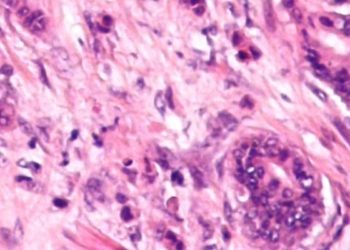
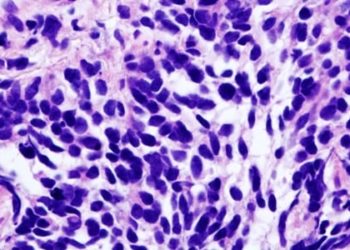
Image: PD

©2017 2 Minute Medicine, Inc. All rights reserved. No works may be reproduced without expressed written consent from 2 Minute Medicine, Inc. Inquire about licensing here. No article should be construed as medical advice and is not intended as such by the authors or by 2 Minute Medicine, Inc.
Tags: cancer screeningcolon cancer
Previous Post

Cetuximab and bevacizumab are similar in combined platin therapy for advanced or metastatic colorectal cancer

Next Post

Childhood illness linked to increased education gender gaps in LMICs

RelatedReports

2 Minute Medicine Rewind March 4, 2019
Chronic Disease

Impact of population based breast density notification: multisite parallel arm randomised controlled trial in BreastScreen 

December 10, 2025
Elective colectomy associated with improved survival in ulcerative colitis
Weekly Rewinds

2 Minute Medicine Rewind November 24, 2025

November 24, 2025
Study explores effects of daily iron supplementation in 2- to 5-year-olds
Oncology

Limited evidence of utility and risks of multi-cancer detection tests for screening

September 16, 2025
2 Minute Medicine Rewind October 21, 2019
Gastroenterology

Personalized risk messages may not increase colorectal cancer screening uptake

September 1, 2025
Next Post
Childhood illness linked to increased education gender gaps in LMICs

Childhood illness linked to increased education gender gaps in LMICs

Dementia prevalence declining in the UK

2 Minute Medicine Rewind June 26, 2017

Radiation dose associated with increased heart disease in Hodgkin lymphoma survivors

ICD therapy significantly reduces death risk in patients with ischemic or nonischemic cardiomyopathy

2 Minute Medicine® is an award winning, physician-run, expert medical media company. Our content is curated, written and edited by practicing health professionals who have clinical and scientific expertise in their field of reporting. Our editorial management team is comprised of highly-trained MD physicians. Join numerous brands, companies, and hospitals who trust our licensed content.

Recent Reports

  • Obstructive Sleep Apnea Risk and Mental Health Conditions Among Older Canadian Adults in the Canadian Longitudinal Study on Aging
  • Neighborhood Deprivation and Days Spent at Home After Fall-Related Hip Fracture
  • Three vs 12-month DAPT after implantation of biodegradable-polymer sirolimus-eluting coronary stent: a randomised clinical trial
License Content
Terms of Use | Disclaimer
Cookie Policy
Privacy Statement (EU)
Disclaimer

© 2025 2 Minute Medicine, Inc. - Physician-written medical news.

  • Specialties
    • All Specialties, All Recent Reports
    • Cardiology
    • Chronic Disease
    • Dermatology
    • Emergency
    • Endocrinology
    • Gastroenterology
    • Imaging and Intervention
    • Infectious Disease
    • Nephrology
    • Neurology
    • Obstetrics
    • Oncology
    • Ophthalmology
    • Pediatrics
    • Pharma
    • Preclinical
    • Psychiatry
    • Public Health
    • Pulmonology
    • Rheumatology
    • Surgery
  • Tools
    • EvidencePulse™
    • RVU Search
    • NPI Registry Lookup
  • Pharma
  • AI News
  • The Scan
  • Classics™
    • 2MM+ Online Access
    • Paperback and Ebook
  • Rewinds
  • Partners
    • License Content
    • Submit Press Release
    • Advertise with Us
  • Account
    • Subscribe
    • Sign-in
    • My account
No Result
View All Result

© 2025 2 Minute Medicine, Inc. - Physician-written medical news.