• About
  • Masthead
  • License Content
  • Advertise
  • Submit Press Release
  • RSS/Email List
  • 2MM Podcast
  • Write for us
  • Contact Us
2 Minute Medicine
No Result
View All Result

No products in the cart.

SUBSCRIBE
  • About
  • Specialties
    • All Specialties, All Recent Reports
    • Cardiology
    • Chronic Disease
    • Dermatology
    • Emergency
    • Endocrinology
    • Gastroenterology
    • Imaging and Intervention
    • Infectious Disease
    • Nephrology
    • Neurology
    • Obstetrics
    • Oncology
    • Ophthalmology
    • Pediatrics
    • Pharma
    • Preclinical
    • Psychiatry
    • Public Health
    • Pulmonology
    • Rheumatology
    • Surgery
  • Tools+
    • EvidencePulse™
    • HypeCheck™
    • NPI Registry Lookup
    • RVU Search
  • Pharma
  • AI Roundup
  • The Scan+
  • Classics™+
    • 2MM+ Online Access
    • Paperback and Ebook
  • Rewinds
  • Partners
    • License Content
    • Submit Press Release
    • Advertise with Us
  • Account
    • Subscribe
    • My account
    • Cart
    • Sign in
2 Minute Medicine
  • About
  • Specialties
    • All Specialties, All Recent Reports
    • Cardiology
    • Chronic Disease
    • Dermatology
    • Emergency
    • Endocrinology
    • Gastroenterology
    • Imaging and Intervention
    • Infectious Disease
    • Nephrology
    • Neurology
    • Obstetrics
    • Oncology
    • Ophthalmology
    • Pediatrics
    • Pharma
    • Preclinical
    • Psychiatry
    • Public Health
    • Pulmonology
    • Rheumatology
    • Surgery
  • Tools+
    • EvidencePulse™
    • HypeCheck™
    • NPI Registry Lookup
    • RVU Search
  • Pharma
  • AI Roundup
  • The Scan+
  • Classics™+
    • 2MM+ Online Access
    • Paperback and Ebook
  • Rewinds
  • Partners
    • License Content
    • Submit Press Release
    • Advertise with Us
  • Account
    • Subscribe
    • My account
    • Cart
    • Sign in
SUBSCRIBE
2 Minute Medicine
Subscribe
EvidencePulse™ by 2 Minute Medicine 2026 evidence scan 3 reports You asked top stroke trials 2026 Synthesizing medical evidence... Top 2026 stroke trial results: OCEANIC — ischemic stroke: 6.2% vs 8.4% OPTION* — mRS 0–1: 43.6% vs 34.2% ORIENTAL* — mRS 0–2: 58.6% vs 46.6% *Higher sICH in intervention arms Participants randomizedN OCEANIC 12,327 OPTION 570 ORIENTAL 564 Ask about guidelines or landmark trials... ↑ Try EvidencePulse™ Ask the evidence.
Get the signal.
Try it now → Physician-trained medical AI by 2 Minute Medicine
Home All Specialties Endocrinology

Risk of autism in offspring linked to maternal pregestational diabetes and severe obesity

byMatthew Lin, MDandLeah Carr, MD
August 9, 2018
in Endocrinology, Obstetrics, Pediatrics, Psychiatry
Reading Time: 3 mins read
Risk of autism in offspring linked to maternal pregestational diabetes and severe obesity
Share on FacebookShare on Twitter

1. Maternal prepregnancy obesity without pregestational diabetes mellitus (PGDM) or gestational diabetes mellitus (GDM) was associated with a slightly increased risk of having a child with a neurodevelopmental or psychiatric disorder.

2. Mothers with severe obesity and insulin-dependent, pregestational diabetes had a sixfold increased risk of having a child with autism spectrum disorder (ASD).

Evidence Rating Level: 1 (Excellent)

Study Rundown: A growing body of evidence suggests that prenatal exposure to maternal obesity and associated metabolic derangements are linked to the development of psychiatric and neurodevelopmental disorders in offspring. The purpose of this large, prospective, population-based cohort was to evaluate the association between maternal body mass index (BMI) with or without PGDM or GDM and neurodevelopmental and psychiatric disorders in offspring up to 11 years of age. Their data showed that maternal obesity without PGDM or GDM, maternal obesity with GDM, and maternal obesity with PGDM were all associated with a slightly increased risk of having a child with a psychiatric or neurodevelopmental disorder. Severe maternal obesity with PGDM was associated with a fourfold increase of having a child with a neurodevelopmental or psychiatric disorder, and specifically, a sixfold increased risk of having a child with ASD. Limitations of this study include potential missed neurodevelopmental or psychiatric diagnoses in children born later during the study period, the grouping of distinct disorders to increase sample size, and the use of insulin prescription reimbursement as a surrogate for PGDM. This study may help providers identify children who may be at higher risk for certain neurodevelopmental and psychiatric disorders based on maternal history.

Click to read the study published today in Pediatrics

Relevant Reading: Maternal obesity and neurodevelopmental and psychiatric disorders in offspring

RELATED REPORTS

Intermittent metformin (Glucophage) is non-inferior to continuous metformin for prediabetes in post-partum women with prior gestational diabetes mellitus

150 minutes of moderate-to-vigorous physical activity per week may reduce cardiovascular risk in overweight or obese adults

Prenatal depression and gestational diabetes are associated with increased risk of childhood obesity

In-Depth [Prospective cohort]: This study include all live births in Finland between 2004 and 2014 (n = 649 043) using national databases to collect maternal and pediatric clinical data. PGDM was identified by insulin treatment via a national drug database and GDM was identified by ICD-10 codes. BMI categorization was completed per World Health Organization guidelines. Primary outcome were neurodevelopmental and psychiatric disorders in offspring, including developmental disorders of speech and language, ASD, ADHD and conduct disorder. Of all births, the percentage of mothers that had normal BMIs, overweight, obesity and severe obesity were 59.2%, 20.7%, 7.67% and 3.66%, respectively. Approximately 0.62% and 15.7% of mothers had PGDM and GDM, respectively, and 5.4% of children were diagnosed with a neurodevelopmental or psychiatric disorder.

Offspring born to obese and severely obese mothers without PGDM/GDM had slightly increased risk of developing any neurodevelopmental or psychiatric disorder (HR = 1.31, 95%CI 1.2-1.37; and HR = 1.45, 95%CI: 1.35-1.56, respectively). Offspring born to mothers with PGDM who were obese or severely obese had an increased risk of developing any neurodevelopmental or psychiatric disorder (HR = 1.69, 95%CI: 1.25-2.28; and HR = 2.97; 95%CI: 2.23-3.96, respectively). Notably, severely obese mothers with PGDM had a sixfold increased risk of having a child with ASD (HR = 6.49, 95%CI: 3.08-13.69). The hazard ratios for other neurodevelopmental and psychiatric disorders in children born to severely obese mothers with PGDM were generally higher than those in severely obese women with GDM or without PGDM/GDM. Offspring mothers with GDM who were obese or severely obese had a slightly increased risk of developing any neurodevelopmental or psychiatric disorder (HR = 1.40, 95%CI: 1.32-1.48; and HR = 1.66; 95%CI: 1.55-1.77, respectively).

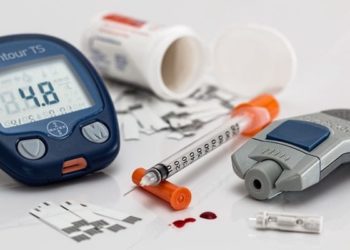
Image: PD

©2018 2 Minute Medicine, Inc. All rights reserved. No works may be reproduced without expressed written consent from 2 Minute Medicine, Inc. Inquire about licensing here. No article should be construed as medical advice and is not intended as such by the authors or by 2 Minute Medicine, Inc.

Tags: autismgestational diabetesneurodevelopmentobesity
Previous Post

Anastrazole superior to tamoxifen for breast cancer treatment [Classics Series]

Next Post

Bariatric surgery linked to significant reduction in microvascular complications of type 2 diabetes

RelatedReports

Chronic Disease

Intermittent metformin (Glucophage) is non-inferior to continuous metformin for prediabetes in post-partum women with prior gestational diabetes mellitus

July 21, 2026
Many new pediatric asthma cases attributable to obesity
Cardiology

150 minutes of moderate-to-vigorous physical activity per week may reduce cardiovascular risk in overweight or obese adults

February 26, 2026
Prenatal antidepressant exposure may increase risk of poor motor development
Chronic Disease

Prenatal depression and gestational diabetes are associated with increased risk of childhood obesity

February 23, 2026
Many new pediatric asthma cases attributable to obesity
Weekly Rewinds

2 Minute Medicine Rewind February 23, 2026

February 23, 2026
Next Post

Bariatric surgery linked to significant reduction in microvascular complications of type 2 diabetes

Nonmedical expenses of pediatric hospitalizations have disproportionate effects

Nonmedical expenses of pediatric hospitalizations have disproportionate effects

Remote patient monitoring did not reduce heart failure readmissions: The BEAT-HF trial

Microtubules linked to cardiomyocyte function in heart failure [PreClinical]

EvidencePulse™ by 2 Minute Medicine 2026 evidence scan 3 reports You asked top stroke trials 2026 Synthesizing medical evidence... Top 2026 stroke trial results: OCEANIC — ischemic stroke: 6.2% vs 8.4% OPTION* — mRS 0–1: 43.6% vs 34.2% ORIENTAL* — mRS 0–2: 58.6% vs 46.6% *Higher sICH in intervention arms Participants randomizedN OCEANIC 12,327 OPTION 570 ORIENTAL 564 Ask about guidelines or landmark trials... ↑ Try EvidencePulse™ Get the signal. Try it now → Physician-trained medical AI by 2 Minute Medicine

2MM+ All Access

Full details →
$4.99 /month

3-day free trial · cancel anytime

  • ✓100+ physician-written reports
  • ✓EvidencePulse™ + HypeCheck™
  • ✓Ad-free reading + newsletters
Start 3-day free trial

Then $4.99/month. Manage renewal in your account.

2 Minute Medicine® is an award winning, physician-run, expert medical media company. Our content is curated, written and edited by practicing health professionals who have clinical and scientific expertise in their field of reporting. Our editorial management team is comprised of highly-trained MD physicians. Join numerous brands, companies, and hospitals who trust our licensed content.

Recent Reports

  • Probiotic supplementation is associated with reduced risk of death and necrotizing enterocolitis among preterm infants
  • Artificial intelligence (AI)-triggered rapid response notifications were associated with lower mortality among inpatients
  • Post-traumatic stress disorder is associated with increased risk of mild cognitive impairment and dementia among United States Veterans
License Content
Terms of Use | Disclaimer
Cookie Policy
2MM+ All Access Full details →

The medical literature, distilled daily.

Monthly plan selected: $4.99 /month.

$4.99/month

3-day free trial · cancel anytime

Start 3-day free trial

Then $4.99/month. Manage renewal in your account.

Yearly plan selected: $49.90 /year.

$49.90/year

2 months free

Start 3-day free trial

Then $49.90/year.

Membership benefits

  • ✓100+ physician-written reports
  • ✓AI EvidencePulse™ + HypeCheck™
  • ✓Ad-free reading + newsletters

Already a member? Sign in

  • About
  • Specialties
    • All Specialties, All Recent Reports
    • Cardiology
    • Chronic Disease
    • Dermatology
    • Emergency
    • Endocrinology
    • Gastroenterology
    • Imaging and Intervention
    • Infectious Disease
    • Nephrology
    • Neurology
    • Obstetrics
    • Oncology
    • Ophthalmology
    • Pediatrics
    • Pharma
    • Preclinical
    • Psychiatry
    • Public Health
    • Pulmonology
    • Rheumatology
    • Surgery
  • Tools
    • EvidencePulse™
    • HypeCheck™
    • NPI Registry Lookup
    • RVU Search
  • Pharma
  • AI Roundup
  • The Scan
  • Classics™
    • 2MM+ Online Access
    • Paperback and Ebook
  • Rewinds
  • Partners
    • License Content
    • Submit Press Release
    • Advertise with Us
  • Account
    • Subscribe
    • My account
    • Cart
    • Sign in
No Result
View All Result

© 2026 2 Minute Medicine, Inc. - Physician-written medical news.