• About
  • Masthead
  • License Content
  • Advertise
  • Submit Press Release
  • RSS/Email List
  • 2MM Podcast
  • Write for us
  • Contact Us
2 Minute Medicine
No Result
View All Result

No products in the cart.

SUBSCRIBE
  • About
  • Specialties
    • All Specialties, All Recent Reports
    • Cardiology
    • Chronic Disease
    • Dermatology
    • Emergency
    • Endocrinology
    • Gastroenterology
    • Imaging and Intervention
    • Infectious Disease
    • Nephrology
    • Neurology
    • Obstetrics
    • Oncology
    • Ophthalmology
    • Pediatrics
    • Pharma
    • Preclinical
    • Psychiatry
    • Public Health
    • Pulmonology
    • Rheumatology
    • Surgery
  • Tools+
    • EvidencePulse™
    • HypeCheck™
    • NPI Registry Lookup
    • RVU Search
  • Pharma
  • AI Roundup
  • The Scan+
  • Classics™+
    • 2MM+ Online Access
    • Paperback and Ebook
  • Rewinds
  • Partners
    • License Content
    • Submit Press Release
    • Advertise with Us
  • Account
    • Subscribe
    • My account
    • Cart
    • Sign-in
2 Minute Medicine
  • About
  • Specialties
    • All Specialties, All Recent Reports
    • Cardiology
    • Chronic Disease
    • Dermatology
    • Emergency
    • Endocrinology
    • Gastroenterology
    • Imaging and Intervention
    • Infectious Disease
    • Nephrology
    • Neurology
    • Obstetrics
    • Oncology
    • Ophthalmology
    • Pediatrics
    • Pharma
    • Preclinical
    • Psychiatry
    • Public Health
    • Pulmonology
    • Rheumatology
    • Surgery
  • Tools+
    • EvidencePulse™
    • HypeCheck™
    • NPI Registry Lookup
    • RVU Search
  • Pharma
  • AI Roundup
  • The Scan+
  • Classics™+
    • 2MM+ Online Access
    • Paperback and Ebook
  • Rewinds
  • Partners
    • License Content
    • Submit Press Release
    • Advertise with Us
  • Account
    • Subscribe
    • My account
    • Cart
    • Sign-in
SUBSCRIBE
2 Minute Medicine
Subscribe
EvidencePulse™ by 2 Minute Medicine 2026 evidence scan 3 reports You asked top stroke trials 2026 Synthesizing medical evidence... Top 2026 stroke trial results: OCEANIC — ischemic stroke: 6.2% vs 8.4% OPTION* — mRS 0–1: 43.6% vs 34.2% ORIENTAL* — mRS 0–2: 58.6% vs 46.6% *Higher sICH in intervention arms Participants randomizedN OCEANIC 12,327 OPTION 570 ORIENTAL 564 Ask about guidelines or landmark trials... ↑ Try EvidencePulse™ Ask the evidence.
Get the signal.
Try it now → Physician-trained medical AI by 2 Minute Medicine
Home All Specialties Obstetrics

Trends in morbidity and mortality of extremely preterm infants in the United States
byYuchen DaiandMichael Pratte
January 20, 2022
in Obstetrics, Pediatrics
Reading Time: 2 mins read
Increasing C-section room temperature linked to reduced neonatal, maternal hypothermia
Share on FacebookShare on Twitter

1. Among extremely preterm infants born at 22-28 weeks’ gestational age in 2013-2018 in the United States, 78.3% of infants survived to discharge, a significant improvement from 76.0% in 2008-2012.

2. Among infants born at less than 27 weeks’ gestational age, rehospitalization and severe neurodevelopmental impairment were common at 2-year follow-up.

Evidence Rating Level: 2 (Good)

Study Rundown: Although modern practices and treatment guidelines have greatly reduced mortality and morbidity in extremely preterm infants, on-going review of neonatal outcomes is needed to develop care strategies, guide interventions, and ultimately improve survival and quality of life outcomes. This observational study evaluated mortality, in-hospital morbidities, care practices, and neurodevelopmental and functional outcomes at 22-26 months’ corrected age for extremely preterm infants born in the United States between 2013 and 2018. The main outcomes were survival and in-hospital morbidities including necrotizing enterocolitis, infection, intracranial hemorrhage, retinopathy of prematurity, and bronchopulmonary dysplasia. At 2-year follow-up, infants were assessed for health and functional outcomes including neurodevelopment, cerebral palsy, vision, hearing, rehospitalizations, and need for assistive devices. Data was compared to a similar cohort of preterm infants from 2008-2012. Among 10877 extremely preterm infants born in 2013-2018, 78.3% of infants survived to discharge, a significant improvement from 76.0% in 2008-2012. Among infants who survived to their 2-year follow-up, 49.9% had been rehospitalized and severe neurodevelopmental impairment occurred in 21.2%. A limitation of this study was that although the Neonatal Research Network cohort included a large and diverse sample size, it is an academic hospital-based database and thus, does not represent the sociodemographics of the entire US preterm population.

Click to read the study in JAMA

Click to read an accompanying editorial in JAMA

RELATED REPORTS

Drying prior to plastic wrapping may not provide thermoregulatory benefits in infants admitted to the neonatal intensive care unit

Maternal exposure to environmental stressors is associated with decreased odds of infant survival among preterm infants

2 Minute Medicine Rewind March 2, 2026

Relevant Reading: Trends in care practices, morbidity, and mortality of extremely preterm neonates, 1993-2012

In-Depth [prospective cohort]: This study included 10877 infants (49.0% female) born at 22-28 weeks’ gestational age between January 2013 and December 2018, including 2566 infants who completed follow-up at 2 years’ corrected age. Data was collected from a registry for extremely preterm infants born at 19 US centers and compared to a similar cohort of infants from 2008-2012. Overall, 78.3% of infants survived to discharge (from 76.0% in 2008-2012; adjusted difference, 2.0%; 95%CI, 1.0%-2.9%). The incidence of all in-hospital morbidities were more likely in extremely preterm infants, including necrotizing enterocolitis (8.9%), early-onset infection (2.4%), late-onset infection (19.9%), intracranial hemorrhage (14.3%), retinopathy of prematurity (12.8%), and bronchopulmonary dysplasia (8.0%). Among 2566 infants evaluated at 2-year follow-up, 8.4% had cerebral palsy, 1.5% had bilateral blindness, 2.5% required hearing aids or cochlear implants, 49.9% had been rehospitalized, and 15.4% required mobility aids or other supportive devices. Lastly, in 2458 fully evaluated infants, 48.7% had no or mild neurodevelopmental impairment, 29.3% had moderate neurodevelopmental impairment, and 21.2% had severe neurodevelopmental impairment.

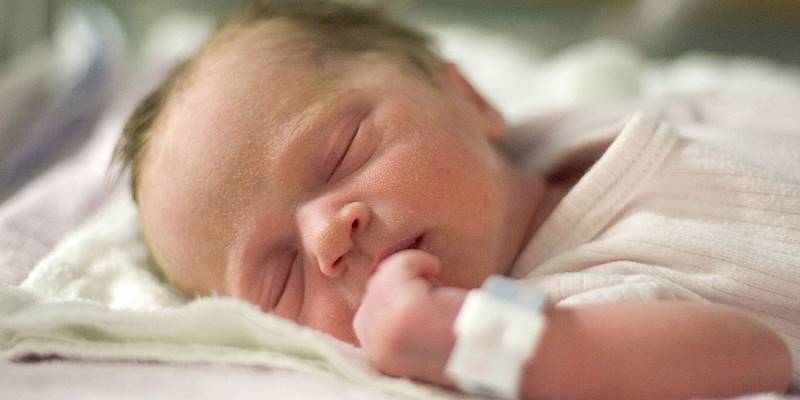
Image: PD

©2022 2 Minute Medicine, Inc. All rights reserved. No works may be reproduced without expressed written consent from 2 Minute Medicine, Inc. Inquire about licensing here. No article should be construed as medical advice and is not intended as such by the authors or by 2 Minute Medicine, Inc.


Tags: pretermpreterm birthpreterm infantpreterm infants
Previous Post

Coronary artery bypass grafting reduces rate of myocardial infarctions compared to percutaneous coronary intervention for left main coronary artery disease

Next Post

COVID-19 instructional approaches differentially impacted sleep patterns among students

RelatedReports

Stochastic resonance stimulation may decrease apnea of prematurity
Emergency

Drying prior to plastic wrapping may not provide thermoregulatory benefits in infants admitted to the neonatal intensive care unit

April 10, 2026
Prenatal antidepressant exposure may increase risk of poor motor development
Obstetrics

Maternal exposure to environmental stressors is associated with decreased odds of infant survival among preterm infants

March 5, 2026
Few older adolescents meet recommended levels of physical activity
Weekly Rewinds

2 Minute Medicine Rewind March 2, 2026

March 2, 2026
Large proportion of late preterm infants and older admitted to the NICU
Hematology

Both high and low maternal hemoglobin levels increase neonatal risk

February 2, 2026
Next Post
Intentional injuries leading to ED visits often occur at school

COVID-19 instructional approaches differentially impacted sleep patterns among students

Parental nonmedical prescription opioid use linked to adolescent use

Associations between hormonal contraception and adverse health outcomes not supported by high-quality evidence

#VisualAbstract: Cutaneous immune-related adverse events were associated with increased survival in patients treated with immune checkpoint inhibitors

#VisualAbstract: Cutaneous immune-related adverse events were associated with increased survival in patients treated with immune checkpoint inhibitors

EvidencePulse™ by 2 Minute Medicine 2026 evidence scan 3 reports You asked top stroke trials 2026 Synthesizing medical evidence... Top 2026 stroke trial results: OCEANIC — ischemic stroke: 6.2% vs 8.4% OPTION* — mRS 0–1: 43.6% vs 34.2% ORIENTAL* — mRS 0–2: 58.6% vs 46.6% *Higher sICH in intervention arms Participants randomizedN OCEANIC 12,327 OPTION 570 ORIENTAL 564 Ask about guidelines or landmark trials... ↑ Try EvidencePulse™ Ask the evidence.
Get the signal.
Try it now → Physician-trained medical AI by 2 Minute Medicine

2MM+ All Access

Full details →
$4.99 /month

5-day free trial · cancel anytime

  • ✓100+ physician-written reports
  • ✓EvidencePulse™ + HypeCheck™
  • ✓Ad-free reading + newsletters
Start 5-day free trial

Then $4.99/month. Manage renewal in your account.

2 Minute Medicine® is an award winning, physician-run, expert medical media company. Our content is curated, written and edited by practicing health professionals who have clinical and scientific expertise in their field of reporting. Our editorial management team is comprised of highly-trained MD physicians. Join numerous brands, companies, and hospitals who trust our licensed content.

Recent Reports

  • Transanastomotic tubes not linked to anastomotic stricture after esophageal atresia repair
  • Artificial intelligence (AI) chatbot reduced depression, anxiety, and eating disorder risk symptoms
  • Real-time AI guidance enters live brain tumor surgery
License Content
Terms of Use | Disclaimer
Cookie Policy
Cleantalk Pixel
2MM+ All Access Full details →

The medical literature, distilled daily.

Monthly plan selected: $4.99 /month.

$4.99/month

5-day free trial · cancel anytime

Start 5-day free trial

Then $4.99/month. Manage renewal in your account.

Yearly plan selected: $49.90 /year.

$49.90/year

2 months free · only $4.16/month

Start 5-day free trial

Then $49.90/year. Manage renewal in your account.

Membership benefits

  • ✓100+ physician-written reports
  • ✓AI EvidencePulse™ + HypeCheck™
  • ✓Ad-free reading + newsletters

Already a member? Sign in

  • About
  • Specialties
    • All Specialties, All Recent Reports
    • Cardiology
    • Chronic Disease
    • Dermatology
    • Emergency
    • Endocrinology
    • Gastroenterology
    • Imaging and Intervention
    • Infectious Disease
    • Nephrology
    • Neurology
    • Obstetrics
    • Oncology
    • Ophthalmology
    • Pediatrics
    • Pharma
    • Preclinical
    • Psychiatry
    • Public Health
    • Pulmonology
    • Rheumatology
    • Surgery
  • Tools
    • EvidencePulse™
    • HypeCheck™
    • NPI Registry Lookup
    • RVU Search
  • Pharma
  • AI Roundup
  • The Scan
  • Classics™
    • 2MM+ Online Access
    • Paperback and Ebook
  • Rewinds
  • Partners
    • License Content
    • Submit Press Release
    • Advertise with Us
  • Account
    • Subscribe
    • My account
    • Cart
    • Sign-in
No Result
View All Result

© 2026 2 Minute Medicine, Inc. - Physician-written medical news.