• About
  • Masthead
  • License Content
  • Advertise
  • RSS/Email List
  • 2MM Podcast
  • Write for us
  • Contact Us
2 Minute Medicine
No Result
View All Result

No products in the cart.

Sign in
SUBSCRIBE
  • About
  • Specialties
    • All Specialties, All Recent Reports
    • Cardiology
    • Chronic Disease
    • Dermatology
    • Emergency
    • Endocrinology
    • Gastroenterology
    • Imaging and Intervention
    • Infectious Disease
    • Nephrology
    • Neurology
    • Obstetrics
    • Oncology
    • Ophthalmology
    • Pediatrics
    • Pharma
    • Preclinical
    • Psychiatry
    • Public Health
    • Pulmonology
    • Rheumatology
    • Surgery
    • Rewinds
    • The Scan
  • EvidencePulse™
  • HypeCheck™
  • AI News
  • Classics™
    • 2MM+ Online Access
    • Paperback and Ebook
  • Tools
    • NPI Registry Lookup
    • RVU Search
  • Partners
    • License Content
    • Advertise with Us
2 Minute Medicine
  • About
  • Specialties
    • All Specialties, All Recent Reports
    • Cardiology
    • Chronic Disease
    • Dermatology
    • Emergency
    • Endocrinology
    • Gastroenterology
    • Imaging and Intervention
    • Infectious Disease
    • Nephrology
    • Neurology
    • Obstetrics
    • Oncology
    • Ophthalmology
    • Pediatrics
    • Pharma
    • Preclinical
    • Psychiatry
    • Public Health
    • Pulmonology
    • Rheumatology
    • Surgery
    • Rewinds
    • The Scan
  • EvidencePulse™
  • HypeCheck™
  • AI News
  • Classics™
    • 2MM+ Online Access
    • Paperback and Ebook
  • Tools
    • NPI Registry Lookup
    • RVU Search
  • Partners
    • License Content
    • Advertise with Us
Sign in
SUBSCRIBE
2 Minute Medicine
Sign in
Subscribe
✦ EvidencePulse™ by 2 Minute Medicine 2026 evidence scan 3 reports You asked top stroke trials 2026 Synthesizing medical evidence... Top 2026 stroke trial results: OCEANIC — ischemic stroke: 6.2% vs 8.4% OPTION* — mRS 0–1: 43.6% vs 34.2% ORIENTAL* — mRS 0–2: 58.6% vs 46.6% *Higher sICH in intervention arms Participants randomizedN OCEANIC 12,327 OPTION 570 ORIENTAL 564 Ask about guidelines or landmark trials... ↑ Try EvidencePulse™ Ask the evidence.
Get the signal.
Try it now → Physician-trained medical AI by 2 Minute Medicine
Home All Specialties Chronic Disease

CYP2C19 loss-of-function carriers have modest benefit from ticagrelor and aspirin following cerebrovascular event: CHANCE-2 Trial
byGursharan SohiandMichael Pratte
June 23, 2022
in Chronic Disease, Emergency, Neurology
Reading Time: 3 mins read
Intensive rehabilitation not superior to traditional therapy for arm function after stroke
Share on FacebookShare on TwitterShare on LinkedIn

1. Patients carrying the CYP2C19 loss-of-function mutation (C-LOF), who had experienced a minor stroke or transient ischemic attack, experienced a significant reduction in risk of ischemic events within one week of starting ticagrelor/aspirin therapy.

2. Some minor additional benefit was accrued in the second week of dual therapy and was maintained in the following weeks.

Evidence Rating: 1 (Excellent)

Study Rundown: Patients who experience a cerebrovascular event (i.e., stroke or transient ischemic attack [TIA]) are at the greatest risk of subsequent stroke within the first three months of the incident event. Dual antiplatelet therapy (P2Y12 inhibitor medications, such as ticagrelor or clopidogrel, in combination with aspirin) is a well-established risk reduction strategy in the post-stroke period, although is associated with an increased risk of bleeding. Patients carrying a loss-of-function allele to the CYP2C19 gene are known to be less responsive to clopidogrel; therefore, the present study sought to determine the benefit of dual antiplatelet therapy with ticagrelor and aspirin in this population. 6412 patients were randomized in total, including 3205 in the ticagrelor group and 3207 in the clopidogrel group. The greatest reduction in risk of a cerebrovascular event for the CYP2C19 group was within the first week of initiating dual antiplatelet therapy. The beneficial effect of dual therapy was continuous, albeit less drastic in the subsequent weeks of the trial. Similarly, the increase in bleeding risk amongst the ticagrelor group was most notable in the first week of therapy, after which the risk remained relatively stable. The composite outcome of protection from stroke and moderate-severe bleeding favored the ticagrelor-aspirin group; this was consistent through the trial duration. The present trial by Pan et al demonstrated that patients with a CYP2C19 loss-of-function allele benefit from combined ticagrelor and aspirin therapy following a cerebrovascular event, and that the effect of therapy is most pronounced in the first week of treatment. This study contributes to an understanding of best practices in antiplatelet therapy post-stroke or TIA including choice of agent and duration of treatment. These findings are strengthened by the randomized trial design which does well to control for risk of bias. A primary limitation of this work is the stringent eligibility criteria which reduces the external validity of these conclusions.

Click here to read this study in JAMA Neurology

Click to read an accompanying editorial in JAMA Neurology

RELATED REPORTS

Apixaban (Eliquis) is associated with reduced rates of ischemic stroke and bleeding in patients with atrial fibrillation and advanced chronic kidney disease compared with warfarin (Coumadin)

Antithrombotic agents may be effective in preventing migraine in patients with patent foramen ovale

Relevant reading: Risk-benefit profile of long-term dual-versus single-antiplatelet therapy among patients with ischemic stroke: a systematic review and meta-analysis

In-Depth [randomized controlled trial]: A double-blinded, randomized controlled trial was conducted in more than 200 hospitals in China. Eligible patients were older than 40 years, carried the C-LOF allele, and had experienced an acute, non-embolic ischemic stroke or high-risk TIA. Patients who had received thrombolytic therapy or mechanical thrombectomy were excluded, as were patients who were currently taking anticoagulant(s). Patients were randomized in a 1:1 fashion to receive placebo, aspirin and ticagrelor, or placebo, aspirin and clopidogrel. The risk of cerebrovascular event after 1 week was 4.2% in the ticagrelor group and 5.7% in the clopidogrel group; the absolute risk reduction was 1.34% with a 95% confidence interval from 0.29-2.39%. The absolute risk reduction with 95% confidence intervals for the subsequent weeks of the trial was as follows: 0.11% (-0.24 to 0.45) in the second week, 0.14% (-0.11 to 0.38%) in the third week and 0.04% (-0.18 to 0.25) in the fourth week. The absolute increase in risk of bleeding in the ticagrelor/aspirin group was 0.87% (0.25 to 1.50) in the first week of the trial, 1.2% (0.75 to 1.68) in the second week, 0.33% (-0.05 to 0.72) in the third and 0.23% (-0.03 to 0.49) in the fourth week. These results were robust to sensitivity analyses, including weighting by intensity of bleeding events, or by intensity of initial cerebrovascular event.

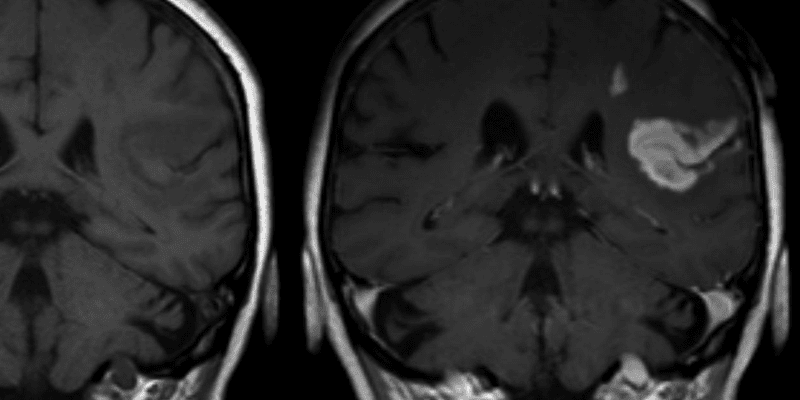
Image: PD

©2022 2 Minute Medicine, Inc. All rights reserved. No works may be reproduced without expressed written consent from 2 Minute Medicine, Inc. Inquire about licensing here. No article should be construed as medical advice and is not intended as such by the authors or by 2 Minute Medicine, Inc.

Tags: aspirinclopidogrelischemic strokestrokestroke preventionTicagrelor
Previous Post

TRAPS: Rivaroxaban vs. Warfarin for Secondary Prevention in Antiphospholipid Syndrome [Classics Series]

Next Post

Molnupiravir improves outcomes in non-hospitalized COVID-19 patients

RelatedReports

A detailed illustration of a kidney and glomeruli, with a pill depicted, representing treatment for kidney-related conditions. It suggests a focus on chronic kidney disease.
Nephrology

Apixaban (Eliquis) is associated with reduced rates of ischemic stroke and bleeding in patients with atrial fibrillation and advanced chronic kidney disease compared with warfarin (Coumadin)

September 9, 2026
Prochlorperazine for migraine may lower likelihood of ED return
Chronic Disease

Antithrombotic agents may be effective in preventing migraine in patients with patent foramen ovale

August 7, 2026
No obesity paradox found between BMI, stroke, and death
Neurology

Thrombectomy may improve functional independence in acute ischemic stroke with medium vessel occlusion

May 26, 2026
Non-alcoholic fatty liver disease and risk of incident acute myocardial infarction and stroke: findings from matched cohort study of 18 million European adults
Weekly Rewinds

2 Minute Medicine Rewind April 20, 2026

April 20, 2026
Next Post
Masks for personal protection for SARS-CoV-2 infection

Molnupiravir improves outcomes in non-hospitalized COVID-19 patients

Positive parenting intervention may decrease child socioemotional problems

Children with complex chronic conditions represent approximately half of postoperative deaths in children undergoing tonsillectomy in 5 US states

Eating in the absence of hunger linked to toddler obesity

Intensive program to support caretaker access to food improves diet of children

✦ EvidencePulse™ by 2 Minute Medicine 2026 evidence scan 3 reports You asked top stroke trials 2026 Synthesizing medical evidence... Top 2026 stroke trial results: OCEANIC — ischemic stroke: 6.2% vs 8.4% OPTION* — mRS 0–1: 43.6% vs 34.2% ORIENTAL* — mRS 0–2: 58.6% vs 46.6% *Higher sICH in intervention arms Participants randomizedN OCEANIC 12,327 OPTION 570 ORIENTAL 564 Ask about guidelines or landmark trials... Try EvidencePulse™ Get the signal. Try it now → Physician-trained medical AI by 2 Minute Medicine

2MM+ All Access

Full details →
$4.99 /month

3-day free trial · cancel anytime

  • ✓100+ physician-written reports
  • ✓EvidencePulse™ + HypeCheck™
  • ✓Ad-free reading + newsletters
Start 3-day free trial

Then $4.99/month. Manage renewal in your account.

NPI Lookup · Free

Look up any US clinician

Search by name or NPI number, live from the CMS NPI Registry.

  • OIG exclusion check
  • Licenses and specialties
  • No account needed
Open NPI Lookup →

2 Minute Medicine® is an award winning, physician-run, expert medical media company. Our content is curated, written and edited by practicing health professionals who have clinical and scientific expertise in their field of reporting. Our editorial management team is comprised of highly-trained MD physicians. Join numerous brands, companies, and hospitals who trust our licensed content.

Recent Reports

  • Children with autism spectrum disorder may have reduced fecal microbial diversity
  • Variable homicide mortality rates among women aged 15-44 years depending on state abortion policy
  • An artificial intelligence model demonstrates the potential for improving the efficiency of structural heart disease screening using electrocardiograms
License Content
Terms of Use | Disclaimer
Cookie Policy
2MM+ All Access Full details →

The medical literature, distilled daily.

Monthly plan selected: $4.99 /month.

$4.99/month

3-day free trial · cancel anytime

Start 3-day free trial

Then $4.99/month. Manage renewal in your account.

Yearly plan selected: $49.90 /year.

$49.90/year

2 months free

Start 3-day free trial

Then $49.90/year.

Membership benefits

  • ✓100+ physician-written reports
  • ✓AI EvidencePulse™ + HypeCheck™
  • ✓Ad-free reading + newsletters
  • ✓NPI watchlist + bulk NPI verification

Already a member? Sign in

  • About
  • Specialties
    • All Specialties, All Recent Reports
    • Cardiology
    • Chronic Disease
    • Dermatology
    • Emergency
    • Endocrinology
    • Gastroenterology
    • Imaging and Intervention
    • Infectious Disease
    • Nephrology
    • Neurology
    • Obstetrics
    • Oncology
    • Ophthalmology
    • Pediatrics
    • Pharma
    • Preclinical
    • Psychiatry
    • Public Health
    • Pulmonology
    • Rheumatology
    • Surgery
    • Rewinds
    • The Scan
  • EvidencePulse™
  • HypeCheck™
  • AI News
  • Classics™
    • 2MM+ Online Access
    • Paperback and Ebook
  • Tools
    • NPI Registry Lookup
    • RVU Search
  • Partners
    • License Content
    • Advertise with Us
No Result
View All Result

© 2026 2 Minute Medicine, Inc. - Physician-written medical news.