• About
  • Masthead
  • License Content
  • Advertise
  • Press Releases
  • Newsroom
  • RSS/Email List
  • 2MM Podcast
  • Write for us
  • Contact Us
2 Minute Medicine
No Result
View All Result

No products in the cart.

Sign in
SUBSCRIBE
  • About
  • Specialties
    • All Specialties, All Recent Reports
    • Cardiology
    • Chronic Disease
    • Dermatology
    • Emergency
    • Endocrinology
    • Gastroenterology
    • Imaging and Intervention
    • Infectious Disease
    • Nephrology
    • Neurology
    • Obstetrics
    • Oncology
    • Ophthalmology
    • Pediatrics
    • Pharma
    • Preclinical
    • Psychiatry
    • Public Health
    • Pulmonology
    • Rheumatology
    • Surgery
    • Rewinds
    • The Scan
  • EvidencePulse™
  • HypeCheck™
  • AI News
  • Classics™
    • 2MM+ Online Access
    • Paperback and Ebook
  • Tools
    • NPI Registry Lookup
    • RVU Search
  • Partners
    • License Content
    • Advertise with Us
2 Minute Medicine
  • About
  • Specialties
    • All Specialties, All Recent Reports
    • Cardiology
    • Chronic Disease
    • Dermatology
    • Emergency
    • Endocrinology
    • Gastroenterology
    • Imaging and Intervention
    • Infectious Disease
    • Nephrology
    • Neurology
    • Obstetrics
    • Oncology
    • Ophthalmology
    • Pediatrics
    • Pharma
    • Preclinical
    • Psychiatry
    • Public Health
    • Pulmonology
    • Rheumatology
    • Surgery
    • Rewinds
    • The Scan
  • EvidencePulse™
  • HypeCheck™
  • AI News
  • Classics™
    • 2MM+ Online Access
    • Paperback and Ebook
  • Tools
    • NPI Registry Lookup
    • RVU Search
  • Partners
    • License Content
    • Advertise with Us
Sign in
SUBSCRIBE
2 Minute Medicine
Sign in
Subscribe
2 Minute MedicineFree on Google PlayGet
✦ EvidencePulse™ by 2 Minute Medicine 2026 evidence scan 3 reports You asked top stroke trials 2026 Synthesizing medical evidence... Top 2026 stroke trial results: OCEANIC — ischemic stroke: 6.2% vs 8.4% OPTION* — mRS 0–1: 43.6% vs 34.2% ORIENTAL* — mRS 0–2: 58.6% vs 46.6% *Higher sICH in intervention arms Participants randomizedN OCEANIC 12,327 OPTION 570 ORIENTAL 564 Ask about guidelines or landmark trials... ↑ Try EvidencePulse™ Ask the evidence.
Get the signal.
Try it now → Physician-trained medical AI by 2 Minute Medicine
Home All Specialties Infectious Disease

No advantage of continuous vs intermittent meropenem in critically ill patients – the MERCY trial

byLina ChenandYuchen Dai
June 24, 2023
in Infectious Disease
Reading Time: 3 mins read
No advantage of continuous vs intermittent meropenem in critically ill patients – the MERCY trial
Share on FacebookShare on TwitterShare on LinkedIn

1. The MERCY trial revealed that continuous infusion of meropenem does not confer a significant advantage over intermittent administration in reducing mortality and preventing new antibiotic-resistant bacteria in patients with either septic shock or sepsis.

2. This randomized control trial provides contrary evidence to previous systematic reviews and meta-analyses that found better outcomes with continuous meropenem.

Evidence Rating Level: 1 (Excellent)

Study Rundown: Meropenem, a widely used β-lactam antibiotic, has traditionally been administered intermittently to treat infections in critically ill patients. However, recent studies have suggested that continuous administration might offer advantages such as enhanced bacterial clearance, reduced growth of antibiotic-resistant bacteria, and decreased mortality. In light of this, a randomized clinical trial called the Continuous Infusion vs Intermittent Administration of Meropenem in Critically Ill Patients (MERCY) was conducted to assess the occurrence of new antimicrobial resistance and mortality between the two administration methods. The study findings revealed that continuous administration did not significantly reduce the composite outcome of all-cause mortality and the emergence of pan-drug-resistant or extensively drug-resistant bacteria by day 28. A limitation of the study was that clinicians were permitted to adjust the meropenem dosage during the study period based on kidney function or clinical judgment, although guidance on dosage was provided. In conclusion, the MERCY trial provides valuable insights into the administration methods of meropenem in critically ill patients. Further research may be warranted to explore alternative administration strategies to mitigate antibiotic resistance.

Click to read the study in JAMA

Click to read an accompanying editorial in JAMA

RELATED REPORTS

Gepotidacin (Blujepa) is safe and effective in women with uncomplicated urinary tract infections

An artificial intelligence (AI) tool achieved high diagnostic accuracy for the identification and prediction of sepsis

Relevant Reading: Clinical outcomes of continuous vs intermittent meropenem infusion for the treatment of sepsis  

In-Depth [randomized clinical trial]: This study was a double-blind, randomized clinical trial conducted between June 2018 and November 2022. It involved critically ill adult patients with sepsis or septic shock who were prescribed meropenem. Exclusion criteria included previous therapy with carbapenem antibiotics, a very low probability of survival using the Simplified Acute Physiology Score (SAPS II), and severe immunosuppression. A total of 607 patients were recruited from 31 intensive care units in Croatia, Italy, Kazakhstan, and Russia. The median duration of meropenem administration was 11 days (IQR, 6-17 days), and overall median doses were 24 g (continuous) and 21 g (intermittent). The rates of all-cause mortality and the emergence of antibiotic-resistant bacteria were similar between the continuous administration group (47%) and the intermittent administration group (49%). The relative risk was not statistically significant, calculated at 0.96 (95% confidence interval, 0.81-1.13, p=0.60). Prespecified subgroup, modified intention-to-treat and per-protocol analyses showed no significant between-group differences. Additionally, none of the secondary outcomes exhibited statistical significance, including 90-day mortality and the number of days alive and free from ICU or antibiotics by day 28. No adverse events, such as seizures or allergic reactions, were recorded during the trial.

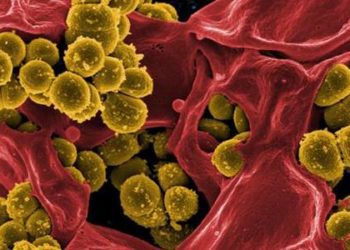
Image: PD

©2023 2 Minute Medicine, Inc. All rights reserved. No works may be reproduced without expressed written consent from 2 Minute Medicine, Inc. Inquire about licensing here. No article should be construed as medical advice and is not intended as such by the authors or by 2 Minute Medicine, Inc.

Tags: antibioticcontinuousintermittentMERCYmeropenemsepsisseptic shock
Previous Post

Ruxolitinib improves symptoms in patients with disabling pansclerotic morphea

Next Post

Mifepristone may be an effective therapeutic agent for adenomyosis-associated dysmenorrhea

RelatedReports

A physician converses with a female patient, with elements suggesting technology and healthcare in the background.
Infectious Disease

Gepotidacin (Blujepa) is safe and effective in women with uncomplicated urinary tract infections

October 9, 2026
A stylized representation of an ICU entrance in Sweden with medical-related documentation, emphasizing the impact of COVID-19 on healthcare paths.
Artificial Intelligence

An artificial intelligence (AI) tool achieved high diagnostic accuracy for the identification and prediction of sepsis

September 25, 2026
Obstetric scoring systems overestimate cases of severe sepsis
All Specialties

2 Minute Medicine Rewind July 6, 2026

July 7, 2026
Obstetric scoring systems overestimate cases of severe sepsis
Emergency

Use of procalcitonin in neonatal late-onset sepsis may reduce the duration of antibiotic therapy without increase in mortality

May 28, 2026
Next Post
Gender conformity influences use of laxatives and muscle-building products

Mifepristone may be an effective therapeutic agent for adenomyosis-associated dysmenorrhea

Being overweight and obese associated with increased incidence of chronic kidney disease

2 Minute Medicine Rewind June 26, 2023

Limited cardiovascular effect of diet and exercise in obese type II diabetics

Daily sitting time may be associated with knee pain in adults with type 2 diabetes mellitus

✦ EvidencePulse™ by 2 Minute Medicine 2026 evidence scan 3 reports You asked top stroke trials 2026 Synthesizing medical evidence... Top 2026 stroke trial results: OCEANIC — ischemic stroke: 6.2% vs 8.4% OPTION* — mRS 0–1: 43.6% vs 34.2% ORIENTAL* — mRS 0–2: 58.6% vs 46.6% *Higher sICH in intervention arms Participants randomizedN OCEANIC 12,327 OPTION 570 ORIENTAL 564 Ask about guidelines or landmark trials... Try EvidencePulse™ Get the signal. Try it now → Physician-trained medical AI by 2 Minute Medicine

2MM+ All Access

Full details →
$4.99 /month

3-day free trial · cancel anytime

  • ✓100+ physician-written reports
  • ✓EvidencePulse™ + HypeCheck™
  • ✓Ad-free reading + newsletters
Start 3-day free trial

Then $4.99/month. Manage renewal in your account.

NPI Lookup · Free

Look up any US clinician

Search by name or NPI number, live from the CMS NPI Registry.

  • OIG exclusion check
  • Licenses and specialties
  • No account needed
Open NPI Lookup →

2 Minute Medicine® is an award winning, physician-run, expert medical media company. Our content is curated, written and edited by practicing health professionals who have clinical and scientific expertise in their field of reporting. Our editorial management team is comprised of highly-trained MD physicians. Join numerous brands, companies, and hospitals who trust our licensed content.

Recent Reports

  • WGS Oncodetect showed higher recurrence sensitivity than WES Oncodetect in colorectal cancer
  • Stool biomarkers may be effective in the evaluation of necrotizing enterocolitis in preterm infants
  • Tarlatamab plus durvalumab improved survival versus durvalumab alone in extensive-stage small cell lung cancer in interim phase 3 results
License Content
Terms of Use | Disclaimer
Cookie Policy

Get the app

Read 2 Minute Medicine on iPhone, iPad and Android.

Download on the App StoreGet it on Google Play
QR code for www.2minutemedicine.com/app
On a computer? Scan this with your phone’s camera.
2MM+ All Access Full details →

The medical literature, distilled daily.

Monthly plan selected: $4.99 /month.

$4.99/month

3-day free trial · cancel anytime

Start 3-day free trial

Then $4.99/month. Manage renewal in your account.

Yearly plan selected: $49.90 /year.

$49.90/year

2 months free

Start 3-day free trial

Then $49.90/year.

Membership benefits

  • ✓100+ physician-written reports
  • ✓AI EvidencePulse™ + HypeCheck™
  • ✓Ad-free reading + newsletters
  • ✓NPI watchlist + bulk NPI verification

Already a member? Sign in

  • Get the app
  • About
  • Specialties
    • All Specialties, All Recent Reports
    • Cardiology
    • Chronic Disease
    • Dermatology
    • Emergency
    • Endocrinology
    • Gastroenterology
    • Imaging and Intervention
    • Infectious Disease
    • Nephrology
    • Neurology
    • Obstetrics
    • Oncology
    • Ophthalmology
    • Pediatrics
    • Pharma
    • Preclinical
    • Psychiatry
    • Public Health
    • Pulmonology
    • Rheumatology
    • Surgery
    • Rewinds
    • The Scan
  • EvidencePulse™
  • HypeCheck™
  • AI News
  • Classics™
    • 2MM+ Online Access
    • Paperback and Ebook
  • Tools
    • NPI Registry Lookup
    • RVU Search
  • Partners
    • License Content
    • Advertise with Us
No Result
View All Result

© 2026 2 Minute Medicine, Inc. - Physician-written medical news.