• About
  • Masthead
  • License Content
  • Advertise
  • Submit Press Release
  • RSS/Email List
  • 2MM Podcast
  • Write for us
  • Contact Us
2 Minute Medicine
No Result
View All Result

No products in the cart.

SUBSCRIBE
  • About
  • Specialties
    • All Specialties, All Recent Reports
    • Cardiology
    • Chronic Disease
    • Dermatology
    • Emergency
    • Endocrinology
    • Gastroenterology
    • Imaging and Intervention
    • Infectious Disease
    • Nephrology
    • Neurology
    • Obstetrics
    • Oncology
    • Ophthalmology
    • Pediatrics
    • Pharma
    • Preclinical
    • Psychiatry
    • Public Health
    • Pulmonology
    • Rheumatology
    • Surgery
  • Tools+
    • EvidencePulse™
    • HypeCheck™
    • NPI Registry Lookup
    • RVU Search
  • Pharma
  • AI Roundup
  • The Scan+
  • Classics™+
    • 2MM+ Online Access
    • Paperback and Ebook
  • Rewinds
  • Partners
    • License Content
    • Submit Press Release
    • Advertise with Us
  • Account
    • Subscribe
    • My account
    • Cart
    • Sign-in
2 Minute Medicine
  • About
  • Specialties
    • All Specialties, All Recent Reports
    • Cardiology
    • Chronic Disease
    • Dermatology
    • Emergency
    • Endocrinology
    • Gastroenterology
    • Imaging and Intervention
    • Infectious Disease
    • Nephrology
    • Neurology
    • Obstetrics
    • Oncology
    • Ophthalmology
    • Pediatrics
    • Pharma
    • Preclinical
    • Psychiatry
    • Public Health
    • Pulmonology
    • Rheumatology
    • Surgery
  • Tools+
    • EvidencePulse™
    • HypeCheck™
    • NPI Registry Lookup
    • RVU Search
  • Pharma
  • AI Roundup
  • The Scan+
  • Classics™+
    • 2MM+ Online Access
    • Paperback and Ebook
  • Rewinds
  • Partners
    • License Content
    • Submit Press Release
    • Advertise with Us
  • Account
    • Subscribe
    • My account
    • Cart
    • Sign-in
SUBSCRIBE
2 Minute Medicine
Subscribe
EvidencePulse™ by 2 Minute Medicine 2026 evidence scan 3 reports You asked top stroke trials 2026 Synthesizing medical evidence... Top 2026 stroke trial results: OCEANIC — ischemic stroke: 6.2% vs 8.4% OPTION* — mRS 0–1: 43.6% vs 34.2% ORIENTAL* — mRS 0–2: 58.6% vs 46.6% *Higher sICH in intervention arms Participants randomizedN OCEANIC 12,327 OPTION 570 ORIENTAL 564 Ask about guidelines or landmark trials... ↑ Try EvidencePulse™ Ask the evidence.
Get the signal.
Try it now → Physician-trained medical AI by 2 Minute Medicine
Home All Specialties Cardiology

Apixaban lowers the risk of stroke in subclinical atrial fibrillation
byNhat Hung (Benjamin) LamandKiera Liblik
January 31, 2024
in Cardiology, Emergency, Neurology
Reading Time: 3 mins read
Lariat device for left atrial appendage exclusion associated with adverse events
Share on FacebookShare on Twitter

1. In this randomized controlled trial, apixaban lowered the risk of stroke or systemic embolism significantly more than aspirin in patients with subclinical atrial fibrillation. 

2. Apixaban was associated with a higher risk of major bleeding than aspirin. 

Evidence Rating Level: 1 (Excellent)

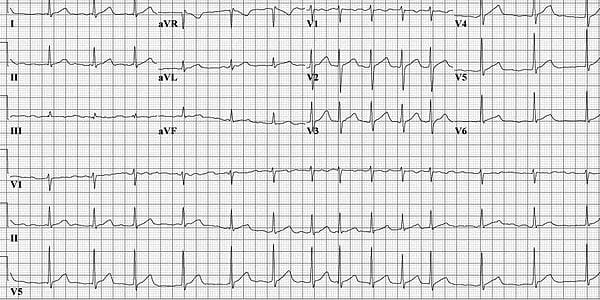
Study Rundown: Symptomatic atrial fibrillation is a leading cause of stroke and stroke-related disability and mortality, for which oral anticoagulants are established prophylactic therapies. Conversely, subclinical atrial fibrillation can be asymptomatic or only produce short-lasting symptoms and is only diagnosed by continuous cardiac rhythm monitoring with a pacemaker or defibrillator. It is associated with a 2.5-time increase in the risk of stroke or systemic embolism, yet the role of oral anticoagulation in this population is uncertain. This randomized controlled trial assessed the safety and efficacy of apixaban against aspirin in patients with subclinical atrial fibrillation and CHA2D2-VASc score ≥3. By a mean follow-up of 3.5 years, apixaban resulted in a lower risk of stroke or systemic embolism than apixaban. Nevertheless, apixaban was also associated with an increased risk of major bleeding, although fatal bleeding occurred in comparably small numbers across both groups. The study results were limited to patients with implanted cardiac electronic devices. However, it offered evidence demonstrating the benefits of apixaban over aspirin in preventing stroke and systemic embolism in this population, even when bleeding risk was considered.

Click here to read the study in NEJM

Relevant Reading: Anticoagulation with Edoxaban in Patients with Atrial High-Rate Episodes

RELATED REPORTS

A lower threshold for referral to the emergency department for outpatient hyperkalemia may reduce mortality

Chronic exposure to particulate matter is associated with increased cardiovascular risk

Apixaban (Eliquis) is associated with reduced rates of ischemic stroke and bleeding in patients with atrial fibrillation and advanced chronic kidney disease compared with warfarin (Coumadin)

In-Depth [randomized controlled trial]: The current study was a randomized controlled trial to assess the safety and efficacy of apixaban for patients with subclinical atrial fibrillation at increased risk of stroke. Patients who had subclinical atrial fibrillation lasting between six minutes and 24 hours detected by an implanted pacemaker, defibrillator, or cardiac monitor and a CHA2D2-VASc score ≥3, indicating an elevated risk of stroke, were eligible for inclusion. Exclusion criteria included age below 55 years of age (after protocol amendment), clinical atrial fibrillation, ongoing oral anticoagulation, uncorrected major bleeding, and creatinine clearance of less than 25 mL/min. Overall, 4,012 patients with a mean age of 76.8 years and a mean CHA2D2-VASc score of 3.9 were randomized to receive apixaban 5mg twice daily or aspirin 81mg daily. The primary efficacy outcome was stroke or systemic embolism and measured in the intention-to-treat population. The primary safety outcome was major bleeding, as defined by the International Society on Thrombosis and Haemostasis, assessed in the on-treatment population. A stroke or systemic embolism occurred in 55 patients in the apixaban group (0.78% per patient-year) and 86 in the aspirin group (1.24%, per patient-year; Hazard Ratio [HR], 0.63; 95% Confidence Interval [CI], 0.45-0.88; p=0.007). Ischemic stroke occurred at a significantly lower rate in the apixaban group (0.64% per patient-year) than the aspirin group (1.02% per patient-year). Major bleeding occurred in 1.71% per patient-year in the apixaban group and 0.94% per patient-year in the aspirin group (HR, 1.80; 95% CI, 1.26 to 2.57; p=0.001). The overall rates of all-cause mortality and death from cardiovascular causes were not significantly different between the two groups. This study demonstrated that apixaban may reduce the risk of stroke or systemic embolism in subclinical atrial fibrillation as compared to aspirin.

Image: PD

©2024 2 Minute Medicine, Inc. All rights reserved. No works may be reproduced without expressed written consent from 2 Minute Medicine, Inc. Inquire about licensing here. No article should be construed as medical advice and is not intended as such by the authors or by 2 Minute Medicine, Inc.

Tags: apixabanatrial fibrillationcardiologyemergencyneurologystrokesubclinical atrial fibrillation
Previous Post

#VisualAbstract: Chronic Lymphocytic Leukemia (CLL) therapy with Ibrutinib and Venetoclax guided by measurable residual disease improves progression-free survival

Next Post

Atezolizumab in addition to bevacizumab and platinum-based chemotherapy improves survival in metastatic cervical cancer

RelatedReports

Emergency

A lower threshold for referral to the emergency department for outpatient hyperkalemia may reduce mortality

September 16, 2026
Cardiology

Chronic exposure to particulate matter is associated with increased cardiovascular risk

September 10, 2026
Nephrology

Apixaban (Eliquis) is associated with reduced rates of ischemic stroke and bleeding in patients with atrial fibrillation and advanced chronic kidney disease compared with warfarin (Coumadin)

September 9, 2026
Long-term outcomes for off-pump and on-pump CABG are similar
Weekly Rewinds

2 Minute Medicine Rewind September 7, 2026

September 7, 2026
Next Post
Cervical cancer screening practices less cost-effective than suggested guidelines

Atezolizumab in addition to bevacizumab and platinum-based chemotherapy improves survival in metastatic cervical cancer

Variability in interpretation of breast biopsy slides associated with low verification of atypia and ductal carcinoma in situ

Worse breast cancer death rates for non-screen detected ductal carcinoma situ

Novel coronavirus identified from patients with pneumonia in Wuhan, China

Wellness Check: Spirituality

EvidencePulse™ by 2 Minute Medicine 2026 evidence scan 3 reports You asked top stroke trials 2026 Synthesizing medical evidence... Top 2026 stroke trial results: OCEANIC — ischemic stroke: 6.2% vs 8.4% OPTION* — mRS 0–1: 43.6% vs 34.2% ORIENTAL* — mRS 0–2: 58.6% vs 46.6% *Higher sICH in intervention arms Participants randomizedN OCEANIC 12,327 OPTION 570 ORIENTAL 564 Ask about guidelines or landmark trials... ↑ Try EvidencePulse™ Ask the evidence.
Get the signal.
Try it now → Physician-trained medical AI by 2 Minute Medicine

2MM+ All Access

Full details →
$4.99 /month

5-day free trial · cancel anytime

  • ✓100+ physician-written reports
  • ✓EvidencePulse™ + HypeCheck™
  • ✓Ad-free reading + newsletters
Start 5-day free trial

Then $4.99/month. Manage renewal in your account.

2 Minute Medicine® is an award winning, physician-run, expert medical media company. Our content is curated, written and edited by practicing health professionals who have clinical and scientific expertise in their field of reporting. Our editorial management team is comprised of highly-trained MD physicians. Join numerous brands, companies, and hospitals who trust our licensed content.

Recent Reports

  • An ultrasound-guided percutaneous method of vagal nerve stimulation may be effective for refractory chronic pain
  • Daraxonrasib extends survival in metastatic pancreatic cancer
  • Artificial intelligence (AI) scribes showed mixed effects on documentation time and improvements in physician well-being
License Content
Terms of Use | Disclaimer
Cookie Policy
Cleantalk Pixel
2MM+ All Access Full details →

The medical literature, distilled daily.

Monthly plan selected: $4.99 /month.

$4.99/month

5-day free trial · cancel anytime

Start 5-day free trial

Then $4.99/month. Manage renewal in your account.

Yearly plan selected: $49.90 /year.

$49.90/year

2 months free · only $4.16/month

Start 5-day free trial

Then $49.90/year. Manage renewal in your account.

Membership benefits

  • ✓100+ physician-written reports
  • ✓AI EvidencePulse™ + HypeCheck™
  • ✓Ad-free reading + newsletters

Already a member? Sign in

  • About
  • Specialties
    • All Specialties, All Recent Reports
    • Cardiology
    • Chronic Disease
    • Dermatology
    • Emergency
    • Endocrinology
    • Gastroenterology
    • Imaging and Intervention
    • Infectious Disease
    • Nephrology
    • Neurology
    • Obstetrics
    • Oncology
    • Ophthalmology
    • Pediatrics
    • Pharma
    • Preclinical
    • Psychiatry
    • Public Health
    • Pulmonology
    • Rheumatology
    • Surgery
  • Tools
    • EvidencePulse™
    • HypeCheck™
    • NPI Registry Lookup
    • RVU Search
  • Pharma
  • AI Roundup
  • The Scan
  • Classics™
    • 2MM+ Online Access
    • Paperback and Ebook
  • Rewinds
  • Partners
    • License Content
    • Submit Press Release
    • Advertise with Us
  • Account
    • Subscribe
    • My account
    • Cart
    • Sign-in
No Result
View All Result

© 2026 2 Minute Medicine, Inc. - Physician-written medical news.