• About
  • Masthead
  • License Content
  • Advertise
  • Submit Press Release
  • RSS/Email List
  • 2MM Podcast
  • Write for us
  • Contact Us
2 Minute Medicine
No Result
View All Result

No products in the cart.

SUBSCRIBE
  • Specialties
    • All Specialties, All Recent Reports
    • Cardiology
    • Chronic Disease
    • Dermatology
    • Emergency
    • Endocrinology
    • Gastroenterology
    • Imaging and Intervention
    • Infectious Disease
    • Nephrology
    • Neurology
    • Obstetrics
    • Oncology
    • Ophthalmology
    • Pediatrics
    • Pharma
    • Preclinical
    • Psychiatry
    • Public Health
    • Pulmonology
    • Rheumatology
    • Surgery
  • Tools
    • EvidencePulse™
    • RVU Search
    • NPI Registry Lookup
  • Pharma
  • AI News
  • The Scan+
  • Classics™+
    • 2MM+ Online Access
    • Paperback and Ebook
  • Rewinds
  • Partners
    • License Content
    • Submit Press Release
    • Advertise with Us
  • Account
    • Subscribe
    • Sign-in
    • My account
2 Minute Medicine
  • Specialties
    • All Specialties, All Recent Reports
    • Cardiology
    • Chronic Disease
    • Dermatology
    • Emergency
    • Endocrinology
    • Gastroenterology
    • Imaging and Intervention
    • Infectious Disease
    • Nephrology
    • Neurology
    • Obstetrics
    • Oncology
    • Ophthalmology
    • Pediatrics
    • Pharma
    • Preclinical
    • Psychiatry
    • Public Health
    • Pulmonology
    • Rheumatology
    • Surgery
  • Tools
    • EvidencePulse™
    • RVU Search
    • NPI Registry Lookup
  • Pharma
  • AI News
  • The Scan+
  • Classics™+
    • 2MM+ Online Access
    • Paperback and Ebook
  • Rewinds
  • Partners
    • License Content
    • Submit Press Release
    • Advertise with Us
  • Account
    • Subscribe
    • Sign-in
    • My account
SUBSCRIBE
2 Minute Medicine
Subscribe
Home All Specialties Cardiology

Coffee consumption associated with better cognitive performance in patients with atrial fibrillation

byJayden BerdugoandAlex Chan
May 19, 2025
in Cardiology, Gastroenterology, Neurology
Reading Time: 2 mins read
0
Share on FacebookShare on Twitter

Coffee consumption correlates with better cognitive performance in patients with a high incidence for stroke

1. In this cohort of individuals with atrial fibrillation (AF), coffee consumption was associated with a higher performance on cognitive tests in a dose-dependent manner, and a decreased presence of inflammatory markers.

Evidence Rating Level: 1 (Excellent) 

Atrial fibrillation (AF) is a common heart condition, associated with mild cognitive impairment, and increasing the risk of thromboembolic stroke. Prior epidemiologic studies have suggested a protective effect of regular coffee consumption against cognitive decline. The goal of this observational prospective cohort study was to investigate the association between regular coffee consumption and cognitive impairment in patients with AF. Individuals could be included in the study if they were 65 years of age or older, with a history of AF. Several cognitive assessments were performed including the Montreal Cognitive Assessment (MoCA) questionnaire, the Trail-Making Test (TMT), the Digit Symbol Substitution Test (DSST), and the cognitive construct (CoCo) score. A total of 2413 patients were included (mean age, 73 years), with almost half of the participants drinking 2-3 cups of coffee/day (n=1165, 48.3%). Compared to the control group (-0.24 [95% CI, -0.27 to -0.16), all coffee consumer groups had greater CoCo scores, with the greatest scores achieved by the group with the highest consumption (-0 .10 [95% CI, -0.10 to 0.04; P=0.048]). The results were similar for the MoCA scores, with the lowest scores amongst the control group (24.58 [95% CI, 24.58-25.32]) and the highest scores in the group with the highest coffee intake (25.25 [95% CI, 24.98-26.85; P=0.163]). The presence of inflammatory markers also decreased with increasing coffee intake. Inflammatory markers showed a decrease with increased coffee consumption: hs-CRP (high-sensitivity C-reaction protein) levels were reduced by a factor of 0.78 (95% CI, 0.54-1.13, P=0.188) when consuming ≥5 cups/day compared to <1 cup/day, while IL-6 (interleukin-6) levels decreased by a factor of 0.73 (95% CI, 0.57-0.95, P=0.017).  Overall, this prospective cohort study found that in individuals with AF, consuming more coffee was associated with better performance on cognitive tests. Further research is needed to best understand the optimal coffee consumption dose. 

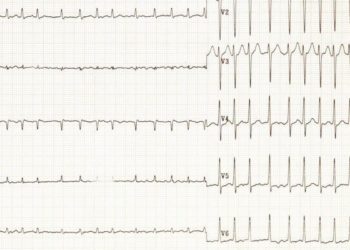
Image: PD

©2024 2 Minute Medicine, Inc. All rights reserved. No works may be reproduced without expressed written consent from 2 Minute Medicine, Inc. Inquire about licensing here. No article should be construed as medical advice and is not intended as such by the authors or by 2 Minute Medicine, Inc. 

RELATED REPORTS

Dietary habits are associated with dementia risk in patients with Alzheimer’s pathology

Two scores for risk stratification of adults presenting with syncope may be effective at identifying those with low risk

Physical frailty is associated with increased risk of epilepsy

Tags: cardiologycoffeecognitionneurologynutrition
Previous Post

Poor glycemic control not associated with greater number of antibiotic prescription in diabetic patients

Next Post

2 Minute Medicine Rewind December 23, 2024

RelatedReports

Chronic Disease

Dietary habits are associated with dementia risk in patients with Alzheimer’s pathology

July 3, 2026
Computed tomography improves diagnostic certainty in the emergency department
Cardiology

Two scores for risk stratification of adults presenting with syncope may be effective at identifying those with low risk

May 29, 2026
Home nursing visits for elderly after hospitalization may reduce short term mortality
Chronic Disease

Physical frailty is associated with increased risk of epilepsy

May 20, 2026
Antiarrhythmic drugs have no survival benefit in shock-refractory out-of-hospital cardiac arrest
Cardiology

Resuscitative endovascular balloon occlusion of the aorta may not improve outcomes in adults with non-traumatic out-of-hospital cardiac arrest

May 14, 2026
Next Post
Pulmonary MRI with ultrashort echo time is comparable to pulmonary CT

2 Minute Medicine Rewind December 23, 2024

#VisualAbstract: Tezepelumab Does Not Reduce Exacerbations in Adults with Chronic Obstructive Pulmonary Disease

#VisualAbstract: Tezepelumab Does Not Reduce Exacerbations in Adults with Chronic Obstructive Pulmonary Disease

Patient Basics: Radiation Therapy

Radiofrequency Ablation vs Stereotactic Body Radiotherapy for Recurrent HCC

2 Minute Medicine® is an award winning, physician-run, expert medical media company. Our content is curated, written and edited by practicing health professionals who have clinical and scientific expertise in their field of reporting. Our editorial management team is comprised of highly-trained MD physicians. Join numerous brands, companies, and hospitals who trust our licensed content.

Recent Reports

  • Behavioral support does not improve patient-directed opioid tapering success
  • Carvedilol linked to lower cirrhosis complication risk
  • Telemedicine may reduce interhospital transfers without increasing mortality
License Content
Terms of Use | Disclaimer
Cookie Policy
Privacy Statement (EU)
Disclaimer
  • Specialties
    • All Specialties, All Recent Reports
    • Cardiology
    • Chronic Disease
    • Dermatology
    • Emergency
    • Endocrinology
    • Gastroenterology
    • Imaging and Intervention
    • Infectious Disease
    • Nephrology
    • Neurology
    • Obstetrics
    • Oncology
    • Ophthalmology
    • Pediatrics
    • Pharma
    • Preclinical
    • Psychiatry
    • Public Health
    • Pulmonology
    • Rheumatology
    • Surgery
  • Tools
    • EvidencePulse™
    • RVU Search
    • NPI Registry Lookup
  • Pharma
  • AI News
  • The Scan
  • Classics™
    • 2MM+ Online Access
    • Paperback and Ebook
  • Rewinds
  • Partners
    • License Content
    • Submit Press Release
    • Advertise with Us
  • Account
    • Subscribe
    • Sign-in
    • My account
No Result
View All Result

© 2026 2 Minute Medicine, Inc. - Physician-written medical news.