• About
  • Masthead
  • License Content
  • Advertise
  • Submit Press Release
  • RSS/Email List
  • 2MM Podcast
  • Write for us
  • Contact Us
2 Minute Medicine
No Result
View All Result

No products in the cart.

SUBSCRIBE
  • Specialties
    • All Specialties, All Recent Reports
    • Cardiology
    • Chronic Disease
    • Dermatology
    • Emergency
    • Endocrinology
    • Gastroenterology
    • Imaging and Intervention
    • Infectious Disease
    • Nephrology
    • Neurology
    • Obstetrics
    • Oncology
    • Ophthalmology
    • Pediatrics
    • Pharma
    • Preclinical
    • Psychiatry
    • Public Health
    • Pulmonology
    • Rheumatology
    • Surgery
  • AI EvidencePulse™
  • Pharma
  • AI News
  • The Scan+
  • Classics™+
    • 2MM+ Online Access
    • Paperback and Ebook
  • Rewinds
  • Podcasts
  • Partners
    • License Content
    • Submit Press Release
    • Advertise with Us
  • Account
    • Subscribe
    • Sign-in
    • My account
2 Minute Medicine
  • Specialties
    • All Specialties, All Recent Reports
    • Cardiology
    • Chronic Disease
    • Dermatology
    • Emergency
    • Endocrinology
    • Gastroenterology
    • Imaging and Intervention
    • Infectious Disease
    • Nephrology
    • Neurology
    • Obstetrics
    • Oncology
    • Ophthalmology
    • Pediatrics
    • Pharma
    • Preclinical
    • Psychiatry
    • Public Health
    • Pulmonology
    • Rheumatology
    • Surgery
  • AI EvidencePulse™
  • Pharma
  • AI News
  • The Scan+
  • Classics™+
    • 2MM+ Online Access
    • Paperback and Ebook
  • Rewinds
  • Podcasts
  • Partners
    • License Content
    • Submit Press Release
    • Advertise with Us
  • Account
    • Subscribe
    • Sign-in
    • My account
SUBSCRIBE
2 Minute Medicine
Subscribe
Home All Specialties Chronic Disease

Food compounds associated with disease activity in inflammatory bowel disease 
byJayden BerdugoandAlex Chan
June 25, 2025
in Chronic Disease, Gastroenterology
Reading Time: 2 mins read
0
Share on FacebookShare on Twitter

1. This retrospective cohort study identified several dietary compounds, specifically fatty acids, that are associated with remission in inflammatory bowel disease (IBD). 

Evidence Rating Level: 2 (Good) 

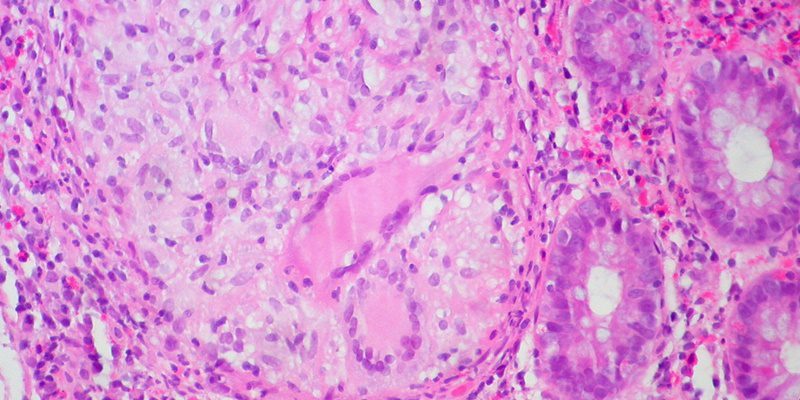
Chronic diseases such as inflammatory bowel disease (IBD) have long been known to be impacted by diet. While general advice on less processed food has been suggested, specific diet recommendations have yet to be explored. Diets vary greatly across the globe; however, examining the compounds found in food offers overarching insight into the effects of foods on IBD. To assess if specific food compounds or combinations directly affect IBD behaviour, a multivariate model linking disease activity with ingested food compounds was employed. Patient data was a 135-person cohort from a study at the University Medical Center Utrecht with Crohn’s Disease (CD) or ulcerative colitis (UC). Among these patients, 41 experienced a flare-up in the following 29 months. The 768 compounds analyzed, including polyphenols (35%), fatty acids (11%), terpenes (8%), elements, and amino acids, were consumed by 80% of the population, and were examined for patterns and outliers. Results were analyzed by 12 random forest models, with the model analyzing 75 compounds showing the best performance, achieving negative prediction values of remission up to 79%. Among these, 35 compounds had the highest contribution to the model, of which 25 (71%) were fatty acids. Other compounds that were associated with remission include 4-hydroxyproline, ethanol, vanillin, heptadecanoyl carnitine, and haem iron. Some compounds found with higher intake in the flare group include molybdenum, kaempferol-3-glucoside, cellobiose and trans-11-docosenoic acid. The study found that some compounds originated from multiple sources, necessitating more in-depth examination than a general diet. While some compounds may appear to contribute to disease flare-ups, these associations may be coincidental or influenced by confounding factors, underscoring the need for further research to determine their biological significance.

Click to read the study in JCC

Image: PD

©2025 2 Minute Medicine, Inc. All rights reserved. No works may be reproduced without expressed written consent from 2 Minute Medicine, Inc. Inquire about licensing here. No article should be construed as medical advice and is not intended as such by the authors or by 2 Minute Medicine, Inc.

RELATED REPORTS

Albuminuria shows a stronger association with kidney failure than proteinuria

Incidence of Ocular Manifestation After Adult-Onset Inflammatory Bowel Disease: A 20-Year Population-Based Cohort Study

2 Minute Medicine Rewind October 20, 2025

Tags: chronic diseaseColitisIBDibsnutrition
Previous Post

Abbreviated MRI is superior to whole-breast ultrasound for detection of cancer in dense breasts

Next Post

Novel inhibitory antibody, MAR001, lowers triglycerides and remnant cholesterol in humans

RelatedReports

Solitary kidney not associated with contrast-induced nephropathy
Chronic Disease

Albuminuria shows a stronger association with kidney failure than proteinuria

November 20, 2025
Elective colectomy associated with improved survival in ulcerative colitis
Chronic Disease

Incidence of Ocular Manifestation After Adult-Onset Inflammatory Bowel Disease: A 20-Year Population-Based Cohort Study

October 21, 2025
Using HEART score to risk stratify patients with chest pain is safe but underutilized in the ED
Weekly Rewinds

2 Minute Medicine Rewind October 20, 2025

October 20, 2025
β-blockers linked to improved survival in preserved ejection fraction heart failure
Cardiology

Multidomain rehabilitation after myocardial infarction improves outcomes in older adults

October 15, 2025
Next Post
PCI not superior to medical therapy alone in stable coronary disease: The COURAGE study

Novel inhibitory antibody, MAR001, lowers triglycerides and remnant cholesterol in humans

Evaluating scar outcomes in pediatric burn patients following skin grafting 

Breast cancer survivors may have a lower risk of Alzheimer's dementia

2 Minute Medicine® is an award winning, physician-run, expert medical media company. Our content is curated, written and edited by practicing health professionals who have clinical and scientific expertise in their field of reporting. Our editorial management team is comprised of highly-trained MD physicians. Join numerous brands, companies, and hospitals who trust our licensed content.

Recent Reports

  • Efficacy of standard care versus acoustic therapy on acute tinnitus in idiopathic sudden sensorineural hearing loss: a randomized controlled trial
  • Opioid overdose associated with concomitant use of hydrocodone and selective serotonin reuptake inhibitors
  • Analysis of arrhythmia and its risk factors in patients with COVID-19
License Content
Terms of Use | Disclaimer
Cookie Policy
Privacy Statement (EU)
Disclaimer

© 2025 2 Minute Medicine, Inc. - Physician-written medical news.

  • Specialties
    • All Specialties, All Recent Reports
    • Cardiology
    • Chronic Disease
    • Dermatology
    • Emergency
    • Endocrinology
    • Gastroenterology
    • Imaging and Intervention
    • Infectious Disease
    • Nephrology
    • Neurology
    • Obstetrics
    • Oncology
    • Ophthalmology
    • Pediatrics
    • Pharma
    • Preclinical
    • Psychiatry
    • Public Health
    • Pulmonology
    • Rheumatology
    • Surgery
  • AI EvidencePulse™
  • Pharma
  • AI News
  • The Scan
  • Classics™
    • 2MM+ Online Access
    • Paperback and Ebook
  • Rewinds
  • Podcasts
  • Partners
    • License Content
    • Submit Press Release
    • Advertise with Us
  • Account
    • Subscribe
    • Sign-in
    • My account
No Result
View All Result

© 2025 2 Minute Medicine, Inc. - Physician-written medical news.