• About
  • Masthead
  • License Content
  • Advertise
  • Submit Press Release
  • RSS/Email List
  • 2MM Podcast
  • Write for us
  • Contact Us
2 Minute Medicine
No Result
View All Result

No products in the cart.

SUBSCRIBE
  • About
  • Specialties
    • All Specialties, All Recent Reports
    • Cardiology
    • Chronic Disease
    • Dermatology
    • Emergency
    • Endocrinology
    • Gastroenterology
    • Imaging and Intervention
    • Infectious Disease
    • Nephrology
    • Neurology
    • Obstetrics
    • Oncology
    • Ophthalmology
    • Pediatrics
    • Pharma
    • Preclinical
    • Psychiatry
    • Public Health
    • Pulmonology
    • Rheumatology
    • Surgery
  • Tools+
    • EvidencePulse™
    • HypeCheck™
    • NPI Registry Lookup
    • RVU Search
  • Pharma
  • AI Roundup
  • The Scan+
  • Classics™+
    • 2MM+ Online Access
    • Paperback and Ebook
  • Rewinds
  • Partners
    • License Content
    • Submit Press Release
    • Advertise with Us
  • Account
    • Subscribe
    • My account
    • Cart
    • Sign-in
2 Minute Medicine
  • About
  • Specialties
    • All Specialties, All Recent Reports
    • Cardiology
    • Chronic Disease
    • Dermatology
    • Emergency
    • Endocrinology
    • Gastroenterology
    • Imaging and Intervention
    • Infectious Disease
    • Nephrology
    • Neurology
    • Obstetrics
    • Oncology
    • Ophthalmology
    • Pediatrics
    • Pharma
    • Preclinical
    • Psychiatry
    • Public Health
    • Pulmonology
    • Rheumatology
    • Surgery
  • Tools+
    • EvidencePulse™
    • HypeCheck™
    • NPI Registry Lookup
    • RVU Search
  • Pharma
  • AI Roundup
  • The Scan+
  • Classics™+
    • 2MM+ Online Access
    • Paperback and Ebook
  • Rewinds
  • Partners
    • License Content
    • Submit Press Release
    • Advertise with Us
  • Account
    • Subscribe
    • My account
    • Cart
    • Sign-in
SUBSCRIBE
2 Minute Medicine
Subscribe
Home All Specialties Cardiology

A biomarker-guided approach to cardioprotection in cancer patients receiving anthracyclines is associated with improvements in left ventricular ejection fraction
byAlex XiangandSimon Pan
January 13, 2026
in Cardiology, Chronic Disease, Imaging and Intervention, Oncology, Pharma
Reading Time: 3 mins read
Lisinopril and carvedilol reduce cardiotoxicity in breast cancer patients receiving trastuzumab and anthracyclines
Share on FacebookShare on Twitter

1. An N-terminal pro–B-type natriuretic peptide (NT-proBNP)-guided approach to neurohormonal therapy for cardioprotection in patients receiving anthracyclines for breast cancer or lymphoma is safe, feasible, and associated with early improvement in left ventricular ejection fraction (LVEF).

Evidence Rating Level: 2 (Good)

Study Rundown: Anthracyclines are a class of chemotherapy drugs used to treat a wide variety of cancers, including leukemias, lymphomas, and solid tumours such as breast, ovarian, and lung cancers. However, cardiotoxicity is a serious, dose-dependent side-effect that can lead to treatment interruptions and worse overall survival. Existing studies have evaluated the efficacy of neurohormonal antagonists for cardioprotection but shown mixed results, likely due to a “one size fits all” approach that includes low-risk populations. Therefore, there is a need for a risk-guided cardioprotection approach to identify patients at higher cardiovascular risk who may benefit from intervention.

This prospective, multicenter, open-label, randomized clinical trial was conducted across multiple sites at the University of Pennsylvania Health System from March 18, 2021, to October 20, 2023. Participants included patients aged 18 years or older with a diagnosis of breast cancer or lymphoma and planning for anthracycline-based chemotherapy. Patients randomized to the NT-proBNP-guided arm had NT-proBNP concentrations measured and subsequent initiation/titration of neurohormonal therapy as determined by a predefined treatment algorithm. Patients randomized to the usual care arm received routine clinical care, and NT-proBNP concentrations were not measured.

Overall, this study found that patients in the NT-proBNP arm had a significantly higher LVEF at 3 months. However, the difference diminished over time and was not significant by the end of the study period (12 months). There were no significant differences in the incidence of adverse events. An NT-proBNP-guided cardioprotection strategy was safe and was associated with early improvement in LVEF. Future studies are required to further elucidate the risks and benefits of an NT-proBNP-guided approach to cardioprotection in patients receiving anthracyclines for cancer. 

Click here to read this study in JAMA Network Open

RELATED REPORTS

Molecularly guided therapy may improve outcomes in patients with unfavourable cancer of unknown primary compared with standard chemotherapy

2 Minute Medicine Rewind September 7, 2026

The mortality in-hospital for patients undergoing elective catheter ablation for atrial fibrillation is low

Relevant reading: Efficacy of Neurohormonal Therapies in Preventing Cardiotoxicity in Patients With Cancer Undergoing Chemotherapy

In-Depth [randomized clinical trial]:

Current studies intended to provide cardioprotection for patients receiving anthracyclines for cancer have delivered mixed results, likely due to the absence of specific, risk-directed guidelines. This randomized clinical trial investigated the efficacy and safety of an NT-proBNP-guided approach to neurohormonal therapy. The primary outcomes were the feasibility and safety of this approach.

100 patients were randomized in a 1:1 ratio to the NT-proBNP-guided (mean [SD] age = 54.5 (12.5); 84.0% female)  and usual care arms (mean [SD] age = 50.0 (15.9); 88.0% female). At 12 months, participants in the NT-proBNP–guided arm were more likely to be taking angiotensin-converting enzyme inhibitors or angiotensin receptor blockers (19 of 47 [40.4%] vs 2 of 42 [4.8%]; P < .001) and β-blockers (11 of 47 [23.4%] vs 3 of 42 [7.1%]; P = .04), compared with participants in the usual care arm. There was no significant difference in the incidence of adverse events, including acute kidney injury, bradycardia, chest pain, cough, dyspnea, fatigue, and headache. At 3 months, LVEF was slightly greater in the NT-proBNP–guided arm compared with the usual care arm (mean difference, 2.0% [95% CI, 0.5%-3.5%]; P = .007). However, there was a nonsignificant difference (P=0.18) at 12 months. There was no significant difference in any other echocardiographic measurement.

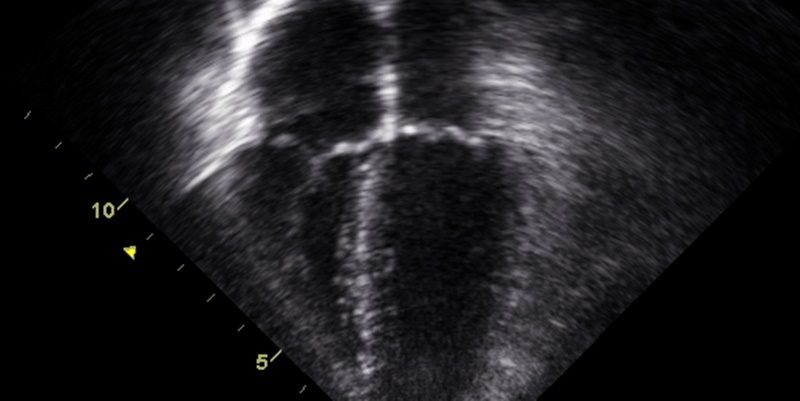
Image: PD

©2025 2 Minute Medicine, Inc. All rights reserved. No works may be reproduced without expressed written consent from 2 Minute Medicine, Inc. Inquire about licensing here. No article should be construed as medical advice and is not intended as such by the authors or by 2 Minute Medicine, Inc.
 

Tags: anthracyclineBreast CancercardiologycardioprotectionLVEFlymphomaNT-proBNPoncology
Previous Post

2 Minute Medicine Rewind December 8th, 2025

Next Post

Integrating methadone into primary care improves care quality

RelatedReports

Quick Take: Diagnostic Yield of One-Time Colonoscopy vs One-Time Flexible Sigmoidoscopy vs Multiple Rounds of Mailed Fecal Immunohistochemical Tests in Colorectal Cancer Screening
Chronic Disease

Molecularly guided therapy may improve outcomes in patients with unfavourable cancer of unknown primary compared with standard chemotherapy

September 7, 2026
Long-term outcomes for off-pump and on-pump CABG are similar
Weekly Rewinds

2 Minute Medicine Rewind September 7, 2026

September 7, 2026
Rivaroxaban likely reduces risk of recurrent stroke in specific subgroup of patients with embolic stroke of undetermined source
Cardiology

The mortality in-hospital for patients undergoing elective catheter ablation for atrial fibrillation is low

September 4, 2026
Sleep duration, sleepiness, chronotype have variable associations with teen self-regulation
Chronic Disease

Cognitive behaviour therapy may be superior to bright light therapy for insomnia in women with breast cancer undergoing chemotherapy

September 3, 2026
Next Post
Implementation of pneumococcal vaccine programs linked to decreased antibiotic prescription

Integrating methadone into primary care improves care quality

Masks for personal protection for SARS-CoV-2 infection

Extended incubation period identified in novel mpox strain

Many new pediatric asthma cases attributable to obesity

GLP-1 receptor agonists show little effect on obesity-related cancer risk

EvidencePulse™ by 2 Minute Medicine 2026 evidence scan 3 reports You asked top stroke trials 2026 Synthesizing medical evidence... Top 2026 stroke trial results: OCEANIC — ischemic stroke: 6.2% vs 8.4% OPTION* — mRS 0–1: 43.6% vs 34.2% ORIENTAL* — mRS 0–2: 58.6% vs 46.6% *Higher sICH in intervention arms Participants randomizedN OCEANIC 12,327 OPTION 570 ORIENTAL 564 Ask about guidelines or landmark trials... ↑ Try EvidencePulse™ Ask the evidence.
Get the signal.
Try it now → Physician-trained medical AI by 2 Minute Medicine

2MM+ All Access

Full details →
$4.99 /month

5-day free trial · cancel anytime

  • ✓100+ physician-written reports
  • ✓EvidencePulse™ + HypeCheck™
  • ✓Ad-free reading + newsletters
Start 5-day free trial

Then $4.99/month. Manage renewal in your account.

2 Minute Medicine® is an award winning, physician-run, expert medical media company. Our content is curated, written and edited by practicing health professionals who have clinical and scientific expertise in their field of reporting. Our editorial management team is comprised of highly-trained MD physicians. Join numerous brands, companies, and hospitals who trust our licensed content.

Recent Reports

  • Artificial intelligence based clinical exam training significantly improved medical students’ standardized clinical exam performance
  • Universal Health Services acquisition of Talkspace connects virtual and inpatient behavioral care
  • Cataract surgery is associated with increased incidence of diabetic retinopathy among patients with diabetes
License Content
Terms of Use | Disclaimer
Cookie Policy
Cleantalk Pixel
2MM+ All Access Full details →

The medical literature, distilled daily.

Monthly plan selected: $4.99 /month.

$4.99/month

5-day free trial · cancel anytime

Start 5-day free trial

Then $4.99/month. Manage renewal in your account.

Yearly plan selected: $49.90 /year.

$49.90/year

2 months free · only $4.16/month

Start 5-day free trial

Then $49.90/year. Manage renewal in your account.

Membership benefits

  • ✓100+ physician-written reports
  • ✓AI EvidencePulse™ + HypeCheck™
  • ✓Ad-free reading + newsletters

Already a member? Sign in

  • About
  • Specialties
    • All Specialties, All Recent Reports
    • Cardiology
    • Chronic Disease
    • Dermatology
    • Emergency
    • Endocrinology
    • Gastroenterology
    • Imaging and Intervention
    • Infectious Disease
    • Nephrology
    • Neurology
    • Obstetrics
    • Oncology
    • Ophthalmology
    • Pediatrics
    • Pharma
    • Preclinical
    • Psychiatry
    • Public Health
    • Pulmonology
    • Rheumatology
    • Surgery
  • Tools
    • EvidencePulse™
    • HypeCheck™
    • NPI Registry Lookup
    • RVU Search
  • Pharma
  • AI Roundup
  • The Scan
  • Classics™
    • 2MM+ Online Access
    • Paperback and Ebook
  • Rewinds
  • Partners
    • License Content
    • Submit Press Release
    • Advertise with Us
  • Account
    • Subscribe
    • My account
    • Cart
    • Sign-in
No Result
View All Result

© 2026 2 Minute Medicine, Inc. - Physician-written medical news.