2 Minute Medicine Rewind April 13, 2026
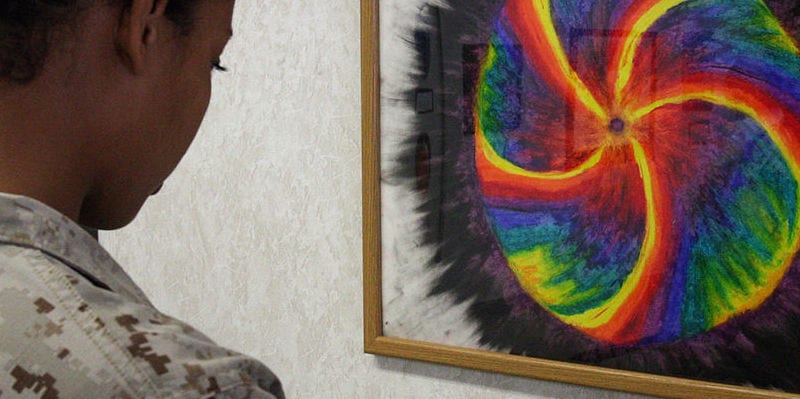
Residential Therapy With Navigated Transcranial Magnetic Stimulation for Combat-Related PTSD
1. In adult patients with combat-related post-traumatic stress disorder (PTSD) undergoing residential treatment (RT), those receiving active transcranial magnetic stimulation (TMS) had significantly reduced PTSD symptoms compared to those receiving sham TMS.
Evidence Rating Level: 1 (Excellent)
PTSD is a debilitating disorder that, in principle, is best treated with RT, an inpatient, long-term program of massed prolonged exposure reinforced with cognitive behavioural therapy. The inpatient setting is also well-suited to adding interventions such as TMS. TMS has been approved for major depressive disorder and obsessive-compulsive disorder, and has been studied for PTSD treatment. However, no randomized controlled trials have assessed the efficacy of TMS in combination with RT. This single-center, randomized controlled trial included active-duty or veteran military service members between the ages of 18 and 65 who met the Diagnostic and Statistical Manual of Mental Disorders-5 criteria for PTSD. All patients were admitted to the RT PTSD program and were randomized 1:1 to receive active TMS (n = 60; mean [SD] age, 37.1 [6.8] years; 8% female) or sham TMS (n = 59; mean [SD] age, 38.1 [6.1] years; 12% female). Patients receiving TMS underwent daily treatments for a maximum of 20 sessions. The primary outcome measure was the change in PTSD Checklist for DSM-5 (PCL-5) scores. At the end of treatment (20 days), the active TMS arm had a significantly greater decrease in PCL-5 scores compared to the sham TMS arm (−5.94 (95% CI, −11.77 to −0.10; P = .02). This difference remained significant at 3-month follow-up (−12.30; 95% CI, −22.03 to −2.57; P = .008). The active TMS arm also had significantly greater decreases in Clinician-Administered Posttraumatic Stress Disorder Scale for DSM-5 scores (−6.03 (95% CI, −10.84 to −1.22; P = .008) and Patient Health Questionnaire–9 scores (−3.45; 95% CI, −0.03 to −6.86; P = .03). There were no serious adverse effects and the frequency of adverse events was similar in both groups.
High-Flow Nasal Oxygen Therapy After Cardiac Surgery
1. Routine high-flow nasal oxygen therapy (HFNOT) following extubation did not improve outcomes compared to standard oxygen therapy (SOT) in patients with an elevated risk of pulmonary complications undergoing cardiac surgery.
Evidence Rating Level: 1 (Excellent)
Pulmonary complications are common after cardiac surgery, particularly in high-risk groups such as smokers and those with preexisting lung diseases. Compared to SOT, HFNOT increases patient comfort, reduces the work of breathing, and improves oxygenation. A previous study showed routine HFNOT after cardiac surgery might reduce hospital stay and intensive care unit readmission. This multicenter, open-label, parallel-group, randomized clinical trial included patients 18 years or older who underwent elective or urgent cardiac surgery with cardiopulmonary bypass and had one or more risk factors for postoperative pulmonary complications (chronic obstructive pulmonary disease, asthma, lower respiratory tract infection in the last 4 weeks, a body mass index (calculated as weight in kilograms divided by height in meters squared) of 35 or greater, or current or recent heavy smoking (>10 pack-years)). Patients were randomized to receive either HFNOT (started at 40% inspired oxygen and flow of 30 L/min; n = 640; mean [SD] age, 62.7 [10.5] years; 29.2% female) or SOT (30% to 40% inspired oxygen and flow 2 to 6 L/min via nasal prongs or nonrebreathing mask; n = 640; mean [SD] age 63.2 (10.5) years; 31.4% female). Adherence required treatment with the allocated intervention for a minimum of 16 hours following extubation. The primary outcome was days alive and at home in the first 90 days (DAH90). The median DAH90 was 0 (IQR, 0-79) for the HFNOT group and 0 (IQR, 0-87) for the SOT group (median difference, 0 [95% CI, 0-0]; P = .75). The median numbers of days alive and out of hospital were not significantly different (82 [IQR, 77-84] in the HFNOT group vs 82 [IQR, 78-84] in the SOT group). Adverse events and serious adverse events were similar in both groups. Overall, prophylactic HFNOT does not seem to improve outcomes compared to SOT.
1. Simvastatin in combination with paclitaxel is well tolerated and associated with significantly reduced disease progression compared to paclitaxel alone as a second-line treatment for small cell lung cancer (SCLC).
Evidence Rating Level: 1 (Excellent)
Standard first-line treatment for SCLC demonstrates a high objective response rate (ORR). However, most patients relapse within 6 months of treatment completion. Paclitaxel-based regimens are commonly used in second-line treatment. However, rapid drug resistance is common. Recent studies have shown that altered cholesterol synthesis pathways in cancer cells may contribute to this resistance, and that statins can delay its onset. This study aimed to explore whether paclitaxel in combination with a statin can improve treatment outcomes and delay the onset of resistance. This prospective, randomized, controlled, open-label, phase II, parallel-group superiority trial included patients aged 18-75 years with SCLC and resistance to at least one line of chemotherapy. Patients were randomized to receive nab-paclitaxel (nab-P 260 mg/m² on day 1 of each 21-day cycle, for 4 to 6 cycles; n = 18; mean [SD] age, 63.22 [8.33] years; 5.56% female) alone or nab-paclitaxel in combination with simvastatin (simvastatin 20 mg daily; n = 14; mean [SD] age, 64.43 [4.75] years; 0% female). The primary endpoint was disease control rate (DCR), defined as the proportion of patients achieving complete response (CR), partial response (PR), or stable disease (SD). No patients in either arm achieved a complete response. The combination arm had significantly greater PR rates (50.0% vs. 11.1%; p = 0.017), DCR rates (92.9% vs. 44.4%; p = 0.005), and progression-free survival (113 days vs. 62 days; p = 0.029). A significantly smaller proportion of patients in the combination arm had progressive disease (7.1% vs. 50.0%; p = 0.011). The addition of simvastatin did not significantly increase the incidence or severity of treatment-related adverse events. Overall, simvastatin in combination with paclitaxel may lead to better outcomes as a second-line treatment for SCLC.
1. Repetitive transcranial magnetic stimulation (rTMS) targeting the dorsolateral prefrontal cortex (DLPFC) delivered postoperatively significantly reduced the development of chronic postsurgical pain (CPSP) in adult patients following thoracoscopic surgery.
Evidence Rating Level: 1 (Excellent)
CPSP, defined as pain persisting for more than three months after surgery and is localized to the surgical site or adjacent area, has been found to have incidences reaching up to 60% following thoracic surgery, the highest among all surgical types. The efficacy of multimodal analgesia in managing CPSP remains inconsistent. High-frequency rTMS targeting the DLPFC, which has been extensively implicated in mood and cognitive disorders, has been shown to improve postoperative depression, anxiety, and pain. However, these studies focused on acute pain, and it remains unclear if DLPFC rTMS can help prevent CPSP. This randomized controlled trial included adults aged 60 years or older who were scheduled to undergo thoracoscopic surgery. Patients were randomized to receive either active rTMS (n = 115; median [IQR] age, 71 [68.0-76.0] years; 52.2% female) or sham rTMS (n = 115; median [IQR] age, [66.0-76.5] years; 47.0% female). rTMS was delivered immediately after extubation in the post-anesthesia care unit (10 Hz, 100% resting motor threshold, 2000 pulses per session). At 3 months, the incidence of CPSP was significantly lower in the active rTMS group than in the sham group (24.3% vs 43.5%; RR, 0.56; 95% CI, 0.39–0.80; P =0.002). Active rTMS was also associated with significant improvements in anxiety (26.0 [IQR, 25.0–26.0] vs 29.0 [IQR, 27.5–30.0]; P < 0.001) and depression (26.0 [IQR, 25.0–26.0] vs 29.0 [IQR, 27.5–30.0]; P < 0.001), as measured with the Self-Rating Anxiety Scale and the Self-Rating Depression Scale, respectively. Finally, serum C-X-C motif chemokine ligand 10, found in previous studies to be closely associated with chronic pain development, was significantly lower in the active rTMS group (68.9 [48.1–85.7] vs 82.6 [67.3–105.5] ng/mL; P = 0.018). Overall, rTMS targeting the DLPFC seems to effectively reduce the incidence of CPSP after thoracoscopic surgery.
1. Renal point-of-care ultrasound (rPOCUS) findings of hydronephrosis in adult patients presenting to the emergency department (ED) with suspected renal colic were significantly associated with the presence of nephrolithiasis.
Evidence Rating Level: 2 (Good)
Computed tomography (CT) is the best imaging modality for identifying nephrolithiasis. However, it exposes patients to radiation, leads to increased ED resource utilization and longer length of stay, and reveals incidental findings that often lead to downstream testing without benefit. rPOCUS allows providers to provide rapid, bedside assessment of hydronephrosis, a clinically meaningful marker of urethral obstruction. Previous studies have shown that ultrasound-first imaging strategies result in similar clinical outcomes to CT-first strategies. This single-centre, retrospective cohort study included patients 18 years and older who underwent rPOCUS for evaluation of suspected renal colic. Among 188 patients, 89 (47.3%; mean [SD] age, 47.4 [17.1] years; 51% female) demonstrated hydronephrosis and 99 (52.7%; mean [SD] age, 44.8 [15.9] years; 59% female) did not. The presence of hydronephrosis was significantly associated with a higher rate of nephrolithiasis history (65% vs. 51%; p = 0.03), prior urologic procedures (27% vs. 14%; p = 0.029), abnormal renal function (28% vs. 13%; p = 0.025), symptom duration of less than 24 hours (56% vs. 33%; p = 0.0013), presenting with a chief complaint of kidney stone (24% vs. 9%; p = 0.0067). It also predicted receiving a final ED diagnosis of renal colic (78% vs. 27%; p < 0.001). CT scans were more often obtained in patients with hydronephrosis (72% vs 44%; adjusted OR 2.63, 95% CI 1.29–5.46). Mean length of stay did not differ by hydronephrosis status (269 vs 273 minutes; p = 0.81), but LOS was longer when CT was performed (p < 0.01). These findings suggest rPOCUS is effective at correctly identifying patients with nephrolithiasis, although operational benefits were limited as these patients often continued to receive CT imaging.
Image: PD
©2026 2 Minute Medicine, Inc. All rights reserved. No works may be reproduced without expressed written consent from 2 Minute Medicine, Inc. Inquire about licensing here. No article should be construed as medical advice and is not intended as such by the authors or by 2 Minute Medicine, Inc.