• About
  • Masthead
  • License Content
  • Advertise
  • Submit Press Release
  • RSS/Email List
  • 2MM Podcast
  • Write for us
  • Contact Us
2 Minute Medicine
No Result
View All Result

No products in the cart.

SUBSCRIBE
  • Specialties
    • All Specialties, All Recent Reports
    • Cardiology
    • Chronic Disease
    • Dermatology
    • Emergency
    • Endocrinology
    • Gastroenterology
    • Imaging and Intervention
    • Infectious Disease
    • Nephrology
    • Neurology
    • Obstetrics
    • Oncology
    • Ophthalmology
    • Pediatrics
    • Pharma
    • Preclinical
    • Psychiatry
    • Public Health
    • Pulmonology
    • Rheumatology
    • Surgery
  • Tools
    • EvidencePulse™
    • RVU Search
    • NPI Registry Lookup
  • Pharma
  • AI News
  • The Scan+
  • Classics™+
    • 2MM+ Online Access
    • Paperback and Ebook
  • Rewinds
  • Partners
    • License Content
    • Submit Press Release
    • Advertise with Us
  • Account
    • Subscribe
    • Sign-in
    • My account
2 Minute Medicine
  • Specialties
    • All Specialties, All Recent Reports
    • Cardiology
    • Chronic Disease
    • Dermatology
    • Emergency
    • Endocrinology
    • Gastroenterology
    • Imaging and Intervention
    • Infectious Disease
    • Nephrology
    • Neurology
    • Obstetrics
    • Oncology
    • Ophthalmology
    • Pediatrics
    • Pharma
    • Preclinical
    • Psychiatry
    • Public Health
    • Pulmonology
    • Rheumatology
    • Surgery
  • Tools
    • EvidencePulse™
    • RVU Search
    • NPI Registry Lookup
  • Pharma
  • AI News
  • The Scan+
  • Classics™+
    • 2MM+ Online Access
    • Paperback and Ebook
  • Rewinds
  • Partners
    • License Content
    • Submit Press Release
    • Advertise with Us
  • Account
    • Subscribe
    • Sign-in
    • My account
SUBSCRIBE
2 Minute Medicine
Subscribe
Home All Specialties Oncology

Delayed CIN2 treatment does not increase cancer risk 
byAdrian WongandMichaela Dowling
June 22, 2026
in Oncology
Reading Time: 3 mins read
0
Share on FacebookShare on Twitter

1. In this target trial emulation, delayed treatment of cervical intraepithelial neoplasia grade 2 (CIN 2) was associated with a substantially lower likelihood of potentially unnecessary excision than immediate treatment.

2. Delayed treatment was associated with similar risks of cervical cancer and progression to CIN 3+ compared with immediate treatment.

Evidence Rating Level: 2 (Good)

Study Rundown: Cervical abnormalities are classified as cervical intraepithelial neoplasia (CIN) grades 1-3 according to the extent of epithelial involvement. While CIN 3 is generally treated promptly because of its higher risk of progression to cancer, management of CIN 2 remains controversial. CIN 2 diagnoses are less reproducible, many lesions regress spontaneously, and only a small proportion progress to invasive disease, particularly among younger women. This study compared immediate treatment of CIN 2 (within 6 months of diagnosis) with delayed treatment (after 6 months, if at all) to assess their effects on treatment outcomes and subsequent risk of cervical cancer and CIN 3+. After three years, immediate treatment produced only a small increase in appropriate excisions, defined as procedures that identified CIN 3+ or followed a biopsy demonstrating CIN 3. However, this modest benefit came at the cost of a substantially higher number of potentially unnecessary excisions. Delayed treatment substantially reduced unnecessary procedures while yielding comparable rates of cervical cancer and CIN 3+ to immediate treatment. Subgroup analyses further showed that baseline cervical cancer risk strongly influenced outcomes: women at higher risk were considerably more likely to develop CIN 3+ than lower-risk women. Although immediate treatment was associated with a slight reduction in CIN 3+ risk across risk groups, this advantage was accompanied by a greater likelihood of overtreatment, particularly among lower-risk patients. Despite limitations, including its non-randomized design, the rarity of cancer outcomes, and relatively short follow-up, the findings suggest that carefully selected patients with CIN 2 may safely defer treatment, reducing unnecessary excisions without compromising cancer-related outcomes.

Click to read this study in AIM

Relevant Reading: Untreated cervical intraepithelial neoplasia grade 2 and subsequent risk of cervical cancer: population based cohort study

RELATED REPORTS

Statins do not increase breast cancer risk in postmenopausal women

The quadrivalent human papillomavirus vaccine provides effective and durable protection against invasive cervical cancer

2 Minute Medicine Rewind March 2, 2026

In-Depth [retrospective cohort]: This target trial emulation compared the benefits, harms, and risks of cancer and CIN 3+ among women with CIN 2 managed with immediate versus delayed treatment. Eligible participants had a first biopsy-confirmed CIN 2 diagnosis between January 1, 2017, and October 9, 2023, with no concurrent CIN 3, prior CIN 2+, hysterectomy, or destructive treatment suggestive of previous CIN 2+. Women who underwent hysterectomy or destructive treatment immediately following diagnosis were excluded. Excision outcomes were classified as appropriate (CIN 3+ detected on excision or excision following a CIN 3+ biopsy), intermediate (CIN 2 on excision or <CIN 2 with concurrent high-grade cytology), potentially unnecessary (<CIN 2 on excision without high-grade cytology), or no excision. Cancer and CIN 3+ outcomes were identified through pathology records during follow-up. The study included 12,012 women: 6,074 (50.6%) received immediate treatment and 5,938 (49.4%) underwent delayed treatment. Women in the immediate-treatment group were older (median age 38 vs. 29 years) and more likely to be HPV 16/18 positive (12.4% vs. 7.0%). Within three years, appropriate excision outcomes occurred in 7.6% of women receiving immediate treatment and 6.9% of those receiving delayed treatment. However, potentially unnecessary excisions were substantially more common with immediate treatment (36.2% vs. 7.8%). Three-year cancer risks were similar between groups: 0.39% with immediate treatment and 0.43% with delayed treatment. Likewise, CIN 3+ risks were comparable at 8.85% and 10.31%, respectively. Sensitivity analyses and subgroup analyses restricted to women aged 25-49 years produced similar findings. Women at high risk (HPV 16/18 positivity or high-grade cytology) had substantially higher risks of CIN 3+ than lower-risk women regardless of treatment strategy. Although immediate treatment was associated with a modestly lower CIN 3+ risk across risk groups, it markedly increased the likelihood of potentially unnecessary excision, particularly among lower-risk women (45.0% vs. 9.3%). Overall, delayed treatment was associated with similar cancer risk while substantially reducing unnecessary excisions.

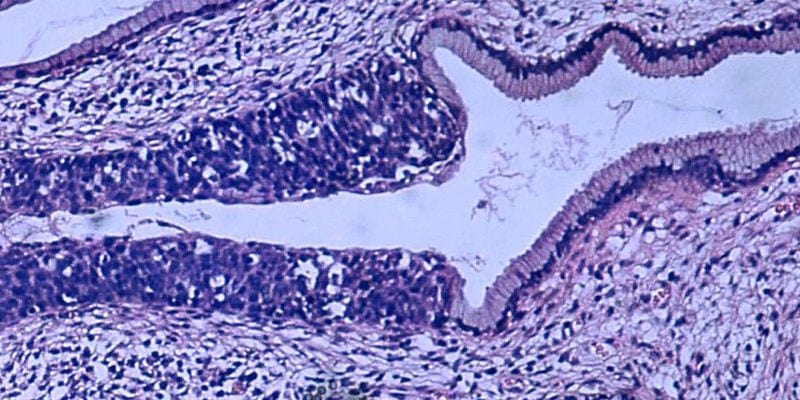
Image: PD

©2026 2 Minute Medicine, Inc. All rights reserved. No works may be reproduced without expressed written consent from 2 Minute Medicine, Inc. Inquire about licensing here. No article should be construed as medical advice and is not intended as such by the authors or by 2 Minute Medicine, Inc.


Tags: cervical cancercervical intraepithelial neoplasia (CIN)gynecologic oncologygynecology
Previous Post

The Scan by 2 Minute Medicine®: celebrity whole-body MRI craze floods clinics, cruise ship hantavirus outbreak prompts global tracing, “Ozempic personality” raises new questions, and TikTok’s “cortisol face” trend drives endocrine workups

Next Post

Telehealth yields modest improvements in diabetes outcomes 

RelatedReports

Variability in interpretation of breast biopsy slides associated with low verification of atypia and ductal carcinoma in situ
Chronic Disease

Statins do not increase breast cancer risk in postmenopausal women

April 7, 2026
Quick Take: T-Cell Receptor Gene Therapy for Human Papillomavirus–Associated Epithelial Cancers: A First-in-Human, Phase I/II Study
Chronic Disease

The quadrivalent human papillomavirus vaccine provides effective and durable protection against invasive cervical cancer

March 6, 2026
Few older adolescents meet recommended levels of physical activity
Weekly Rewinds

2 Minute Medicine Rewind March 2, 2026

March 2, 2026
American-born Asian women more likely to have endometrial cancer
Endocrinology

Glucagon-like peptide-1 receptor agonists may reduce endometrial cancer risk in endometrial hyperplasia

February 16, 2026
Next Post

Telehealth yields modest improvements in diabetes outcomes 

Patient-reported outcomes differ significantly based on treatment in prostate cancer: The ProtecT trial

Stockholm3 outperforms PSA for detecting significant prostate cancer 

Implementation of pneumococcal vaccine programs linked to decreased antibiotic prescription

Antibiotic prescribing remains high for uncomplicated diverticulitis 

2 Minute Medicine® is an award winning, physician-run, expert medical media company. Our content is curated, written and edited by practicing health professionals who have clinical and scientific expertise in their field of reporting. Our editorial management team is comprised of highly-trained MD physicians. Join numerous brands, companies, and hospitals who trust our licensed content.

Recent Reports

  • Celebrity body scans are colliding with radiology evidence
  • Antibiotic prescribing remains high for uncomplicated diverticulitis 
  • Stockholm3 outperforms PSA for detecting significant prostate cancer 
License Content
Terms of Use | Disclaimer
Cookie Policy
Privacy Statement (EU)
Disclaimer
  • Specialties
    • All Specialties, All Recent Reports
    • Cardiology
    • Chronic Disease
    • Dermatology
    • Emergency
    • Endocrinology
    • Gastroenterology
    • Imaging and Intervention
    • Infectious Disease
    • Nephrology
    • Neurology
    • Obstetrics
    • Oncology
    • Ophthalmology
    • Pediatrics
    • Pharma
    • Preclinical
    • Psychiatry
    • Public Health
    • Pulmonology
    • Rheumatology
    • Surgery
  • Tools
    • EvidencePulse™
    • RVU Search
    • NPI Registry Lookup
  • Pharma
  • AI News
  • The Scan
  • Classics™
    • 2MM+ Online Access
    • Paperback and Ebook
  • Rewinds
  • Partners
    • License Content
    • Submit Press Release
    • Advertise with Us
  • Account
    • Subscribe
    • Sign-in
    • My account
No Result
View All Result

© 2026 2 Minute Medicine, Inc. - Physician-written medical news.